Pest Control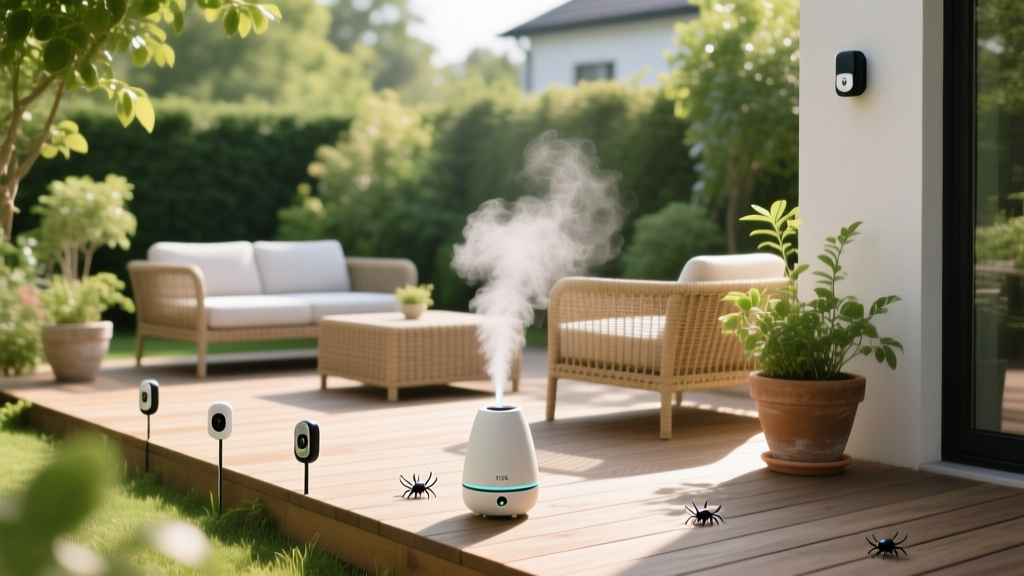
Mosquito and Tick Control for Patios and Outdoor Entertaining
David ParkPublished
The Intersection of Curb Appeal and Pest Habitats
When you invest thousands of dollars into an outdoor kitchen, a sprawling paver patio, and lush privacy hedges, your goal is to boost curb appeal and create a sanctuary for outdoor entertaining. However, the very features that make your landscape visually stunning—dense ornamental grasses, shaded pergolas, and decorative water features—are often the exact same features that harbor mosquitoes and ticks. These pests do not just cause itchy welts; they carry serious diseases like West Nile Virus, Lyme disease, and Alpha-gal syndrome, effectively shutting down your ability to enjoy your outdoor living spaces.
Integrated Pest Management (IPM) for outdoor entertaining areas requires a delicate balance. You want to maintain a high-end, manicured aesthetic without creating a resort for blood-sucking insects. By combining strategic hardscaping, targeted biological controls, and smart landscaping, you can protect your guests and preserve your property's curb appeal.
Designing a Tick-Safe Entertaining Zone
Ticks are ambush predators that wait on the tips of tall grasses and shrubs to latch onto passing hosts. If your patio borders a wooded area, a stone retaining wall with creeping vegetation, or a dense garden bed, you are at high risk for tick encounters. To protect your guests without resorting to clear-cutting your beautiful landscape, you must implement physical and chemical barriers.
The Centers for Disease Control and Prevention (CDC) strongly recommends creating a 'Tick-Safe Zone' to separate your high-traffic entertaining areas from potential tick habitats. This involves establishing a 3-foot-wide barrier of wood chips or gravel between lawns and wooded areas. This barrier serves a dual purpose: it creates a visually appealing, low-maintenance landscape border that enhances curb appeal, while simultaneously creating a dry, hot environment that ticks cannot cross or survive in.
Landscaping Adjustments for Tick Control
- Prune Lower Branches: Open up the canopy of trees surrounding your patio to allow more sunlight. Ticks thrive in damp, shaded environments, and increasing solar exposure dries out the leaf litter below.
- Rethink Groundcovers: While creeping thyme and vinca minor look beautiful under trees, they hold moisture and provide shelter for rodents (which carry ticks). Replace them near seating areas with dry mulch or decorative river rock.
- Keep Play and Seating Areas Central: Position your patio furniture, fire pits, and children's playsets in the sunniest, most central parts of your yard, far away from the perimeter stone walls and woodlines.
Mosquito-Proofing Your Hardscape and Patio Furniture
Mosquitoes are notoriously weak fliers, but they breed in astonishingly small amounts of water. The Environmental Protection Agency (EPA) emphasizes that eliminating standing water is the single most effective step in mosquito management. In an outdoor entertaining space, standing water often hides in plain sight, disguised as functional patio accessories.
According to mosquito control experts, a single female mosquito can lay up to 300 eggs in a single raft, and she only needs a half-inch of standing water to do so. Your patio umbrella base is a prime breeding ground.
Hidden Water Traps on the Patio
To maintain a pristine patio, you must audit your outdoor furniture and hardscaping weekly. Check the following areas:
- Umbrella Bases and Table Holes: Water pools in the plastic sleeves of weighted umbrella stands and the center holes of patio tables. Use tight-fitting caps or store umbrellas indoors when not in use.
- Potted Plant Saucers: Terra cotta and plastic saucers beneath your decorative patio planters are notorious mosquito nurseries. Switch to self-watering pots, or fill the saucers with coarse sand so water drains below the soil surface, depriving larvae of oxygen.
- Tarps and Furniture Covers: Wrinkled grill covers and folded winter tarps collect rainwater. Ensure covers are pulled taut or stored in a sealed shed.
- Corrugated Downspout Extenders: If your roof gutters drain near your patio, ensure the extenders are pitched correctly. The ridges in corrugated plastic pipes will hold an ounce of water in every valley, enough to breed hundreds of mosquitoes.
Strategic Treatments for Outdoor Living Spaces
When source reduction (eliminating water and tick habitats) is not enough, targeted treatments are necessary. Below is a comparison of the most effective IPM treatments for outdoor entertaining spaces, balancing cost, efficacy, and environmental impact.
| Treatment Method | Target Pest | Estimated Cost | Duration of Control | Best For |
|---|---|---|---|---|
| Bti Dunks (Mosquito Bits) | Mosquito Larvae | $10 - $20 | 30 Days | Potted plant saucers, water features, birdbaths |
| Permethrin Perimeter Spray | Ticks, Fleas | $25 - $50 (DIY) | 4 - 6 Weeks | Woodlines, gravel borders, tall ornamental grasses |
| Professional Barrier Spray | Mosquitoes, Ticks | $150 - $300 per visit | 21 - 30 Days | Full-yard entertaining spaces, heavy foliage |
| Essential Oil Spatial Repellents | Mosquitoes | $25 (Device) + Refills | 4 - 12 Hours | Patio tables, intimate seating areas |
Biological Control with Bti
For water features, koi ponds, or decorative fountains that cannot be drained, Bacillus thuringiensis israelensis (Bti) is a game-changer. As noted by the University of California Integrated Pest Management (UC IPM) program, Bti is a naturally occurring bacterium that specifically targets mosquito and black fly larvae without harming fish, birds, pets, or beneficial pollinators. Simply drop a Bti 'dunk' or a pinch of 'bits' into your patio water feature once a month. It is an invisible, odorless, and highly effective way to maintain the auditory and visual appeal of moving water without breeding pests.
Botanical Repellents vs. Airflow: What Actually Works?
Many homeowners attempt to use 'mosquito-repellent plants' like citronella grass, lavender, marigolds, and lemongrass to border their patios. While these plants look beautiful and contribute to curb appeal, scientific studies show that simply planting them in the ground does not repel mosquitoes. The essential oils must be physically crushed and released into the air to have any localized effect.
The Ultimate Patio Weapon: Oscillating Fans
Instead of relying solely on plants, use landscaping design to promote airflow and supplement with outdoor-rated oscillating fans. Mosquitoes are incredibly weak fliers and cannot navigate wind speeds greater than 1 to 2 miles per hour. Positioning a stylish, weather-resistant floor fan or ceiling fan over your outdoor dining table not only keeps your guests cool but creates an invisible aerodynamic shield that makes it physically impossible for mosquitoes to land on your guests.
The 48-Hour Pre-Party Pest Protocol
Hosting a backyard barbecue or an evening cocktail party? Follow this actionable timeline to ensure your outdoor entertaining space is pristine and pest-free.
48 Hours Before the Event
- Water Audit: Walk the patio and dump any standing water from umbrella bases, saucers, and decorative buckets.
- Perimeter Check: Inspect the 3-foot wood chip border for leaf litter or encroaching weeds that might harbor ticks. Use a leaf blower to clear hardscape edges.
- Bti Application: Drop fresh Bti bits into any permanent water features or birdbaths near the seating area.
24 Hours Before the Event
- Mow and Edge: Cut the lawn and string-trim the edges around the patio. Short grass reduces humidity at the soil level, discouraging both ticks and adult mosquitoes from resting in the turf.
- Shrub Pruning: Trim back any ornamental shrubs or creeping vines that overhang the patio seating. This removes resting sites for daytime-biting mosquitoes and opens up the space to drying sunlight.
2 Hours Before the Event
- Spatial Repellents: Activate Thermacell or similar spatial repellent devices on the patio tables. These devices use heat to release allethrin or metofluthrin, creating a 15-foot bite-free zone without the smoke or odor of traditional citronella candles.
- Fan Placement: Turn on overhead or oscillating fans, angling them toward the primary seating and dining areas.
- Lighting Strategy: Swap out standard bright white LED patio bulbs for warm, yellow 'bug lights' (around 2700K or lower). While they don't repel insects, they are far less attractive to the nocturnal bugs that crash your evening dinner parties.
Conclusion
Maintaining a luxurious, inviting outdoor entertaining space requires more than just high-end patio furniture and beautiful pavers. It requires a proactive, integrated approach to pest control. By designing tick-safe zones, eliminating hidden water traps in your hardscape, utilizing biological controls like Bti, and leveraging airflow, you can protect your guests from bites and disease. Ultimately, the best pest control strategy is one that works silently in the background, allowing your landscape's curb appeal and your summer gatherings to take center stage.