Pest Control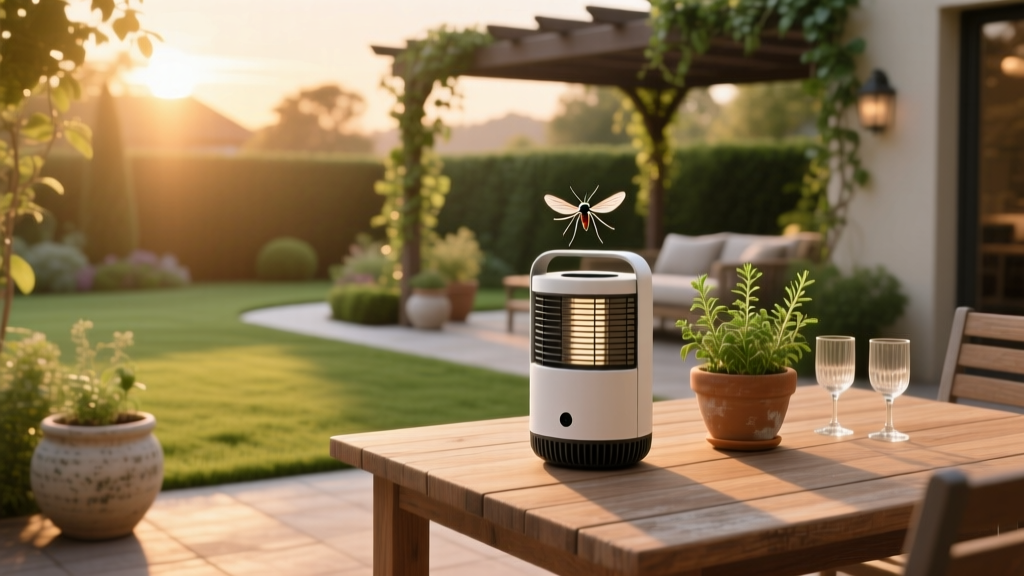
Mosquito and Wasp Control for Flawless Outdoor Entertaining
James MillerPublished
There is nothing quite like hosting a summer evening gathering on a beautifully landscaped patio. You have invested time and money into your outdoor living space, selecting the perfect hardscaping, comfortable furniture, and vibrant garden beds to maximize your home's curb appeal. However, the quickest way to ruin an elegant outdoor dinner party or a casual weekend barbecue is an invasion of biting mosquitoes or aggressive wasps. When pests take over your patio, your beautiful outdoor oasis becomes an unusable zone.
Effective pest control for outdoor entertaining requires a delicate balance. You want to eliminate the nuisance of biting and stinging insects without resorting to ugly, industrial-looking traps, harsh chemical sprays that damage your prized ornamental plants, or toxic residues that are unsafe around food and guests. By utilizing Integrated Pest Management (IPM) principles tailored for outdoor living spaces, you can maintain flawless curb appeal while ensuring your guests remain comfortable and pest-free.
The Intersection of Curb Appeal and Pest Management
Many homeowners inadvertently design their landscapes in ways that invite pests. Dense, overgrown shrubbery planted too close to the patio provides a cool, humid, and windless sanctuary for resting mosquitoes during the heat of the day. Similarly, leaving fallen fruit from ornamental trees or keeping uncovered compost bins near the entertainment area acts as a beacon for yellowjackets and hornets.
To protect your outdoor entertaining space, you must view pest control as an extension of your landscape design. Pruning trees and shrubs to allow sunlight to penetrate and breezes to flow through the patio area not only improves the visual symmetry and curb appeal of your yard but also creates a microclimate that is highly inhospitable to weak-flying insects. A well-manicured landscape with proper grading and drainage is your first and most attractive line of defense.
Mosquito Control: Reclaiming Your Patio
Mosquitoes are the undisputed enemies of outdoor entertaining. A single female mosquito can lay hundreds of eggs in a space as small as a bottle cap filled with water. To keep your patio pristine, you must attack their breeding grounds and disrupt their ability to navigate your gathering space.
Aesthetic Source Reduction
The Environmental Protection Agency (EPA) emphasizes that eliminating standing water is the most critical step in mosquito management. However, you do not want to sacrifice beautiful water features or garden accents to achieve this. Instead of removing birdbaths or decorative fountains, integrate aesthetic source reduction into your maintenance routine. Ensure that your patio pavers are properly graded to prevent puddling. If you use saucers under your potted patio plants, fill them with coarse sand; this allows water to drain to the roots while eliminating the open water surface that mosquitoes need to breed. For larger drainage issues near the patio, install a French drain using 4-inch perforated PVC wrapped in landscape fabric and topped with decorative river rock to maintain curb appeal while moving water away from the entertaining area.
Biological Controls for Water Features
If you have a koi pond, a large water feature, or a rain barrel near your outdoor kitchen, chemical pesticides are not an option. Instead, utilize Bacillus thuringiensis israelensis (BTI), a naturally occurring bacterium that is lethal only to mosquito and fungus gnat larvae. The American Mosquito Control Association (AMCA) highly recommends BTI as a safe, environmentally friendly solution. Products like Summit Responsible Solutions Mosquito Dunks cost about $10 to $15 for a pack of six and can be discreetly hidden under water lily pads or inside decorative fountain pumps. One dunk treats 100 square feet of water surface for up to 30 days, providing invisible, odorless protection that never compromises your landscape design.
Spatial Repellents and Airflow Dynamics
Mosquitoes are notoriously weak flyers, incapable of navigating wind speeds greater than 1 to 1.5 miles per hour. Strategically placing high-velocity oscillating fans around your patio dining area serves a dual purpose: it keeps your guests cool and creates an invisible wind wall that mosquitoes cannot penetrate. For targeted, odorless protection on the dining table, spatial repellents like Thermacell use a heat-activated mat to release a precise dose of allethrin (a synthetic derivative of a natural repellent found in chrysanthemum flowers). These devices are sleek, portable, and do not produce the smoke or harsh citronella odors associated with traditional tiki torches, preserving the sophisticated ambiance of your outdoor dinner party.
Wasp and Hornet Management: Protecting the Gathering Space
While mosquitoes are a nuisance, wasps and yellowjackets pose a genuine safety hazard, especially when sugary cocktails, grilled meats, and ripe fruit are on the menu. Unlike bees, yellowjackets can sting multiple times and become highly aggressive when defending their nests or competing for food sources.
Territorial Deterrents and Decoys
Wasps are highly territorial and will generally avoid building nests within 200 feet of an existing colony. You can use this behavioral trait to your advantage by hanging decorative decoy nests in the eaves of your patio cover or in nearby trees in early spring before the queens begin scouting for nesting sites. These decoys, which cost around $15 to $20 for a multi-pack, look like large, papery hornet nests and can be disguised among hanging baskets or pergola vines, effectively blending into your outdoor decor while deterring real wasps from settling nearby.
Safe and Discreet Nest Removal
If a nest has already been established under your deck or patio umbrella, it must be removed safely. The University of California Statewide Integrated Pest Management Program (UC IPM) advises that if you must treat a nest yourself, it should be done at night or very early morning when the insects are dormant and inside the nest. Use a foaming aerosol wasp spray that shoots a stream up to 20 feet, allowing you to maintain a safe distance. The foam expands to fill the cavity, trapping the insects and preventing them from flying out. Once the nest is completely inactive after 24 to 48 hours, carefully scrape it away and paint over the attachment point with a few drops of peppermint essential oil mixed with water, as wasps are known to avoid the scent of peppermint when scouting for new nesting locations.
Lighting the Way: Bulbs That Do Not Attract Pests
Outdoor lighting is essential for evening entertaining, but standard cool-white LED bulbs and halogen lamps emit ultraviolet (UV) light and blue light spectrums that act as a magnet for nocturnal insects. To maintain a pest-free patio without sacrificing visibility, swap out your exterior bulbs for warm-white LEDs (2700K or lower) or specialized yellow 'bug lights.' These bulbs emit light in the red and yellow spectrums, which are largely invisible to the compound eyes of most flying insects. Additionally, consider using low-voltage path lighting directed downward toward the hardscaping rather than uplighting into the trees, which illuminates the canopy and draws pests directly into your seating area.
Comparison Chart: Patio Pest Control Methods
| Control Method | Target Pest | Curb Appeal Impact | Estimated Cost | Effectiveness |
|---|---|---|---|---|
| BTI Dunks | Mosquitoes | Invisible (Hidden in water features) | $10 - $15 | High (Larvae) |
| Oscillating Fans | Mosquitoes / Gnats | Moderate (Visible but functional) | $30 - $80 | High (Airborne) |
| Spatial Repellents | Mosquitoes / Ticks | Low (Small, sleek table devices) | $20 - $25 | High (Localized) |
| Decoy Nests | Wasps / Hornets | Low (Can be hidden in foliage) | $15 - $20 | Moderate (Preventative) |
| Warm LEDs (2700K) | General Night Flyers | High (Enhances landscape design) | $5 - $10 / bulb | Moderate (Deterrent) |
| Foaming Aerosols | Wasps / Hornets | Temporary (Used for active removal) | $8 - $12 | High (Active Nests) |
Designing a Pest-Resistant Outdoor Oasis
Ultimately, the most effective pest control strategy for outdoor entertaining is proactive landscape design. Avoid using thick layers of organic mulch directly against your patio foundation or outdoor kitchen island, as mulch retains moisture and provides harborages for pests. Instead, opt for a 12-inch border of crushed gravel or decorative stone between your garden beds and your hardscaping. This creates a dry, exposed barrier that insects are reluctant to cross.
Furthermore, be mindful of the plants you choose for your patio borders. While no plant is a magical forcefield against pests, incorporating strongly scented herbs and flowers like lavender, rosemary, marigolds, and crushed mint into your container gardens can help mask the carbon dioxide and lactic acid scents that attract mosquitoes to your guests. By combining smart hardscaping, biological controls, and strategic airflow, you can ensure that your outdoor living space remains a beautiful, comfortable, and pest-free environment for every gathering you host.