Tree Care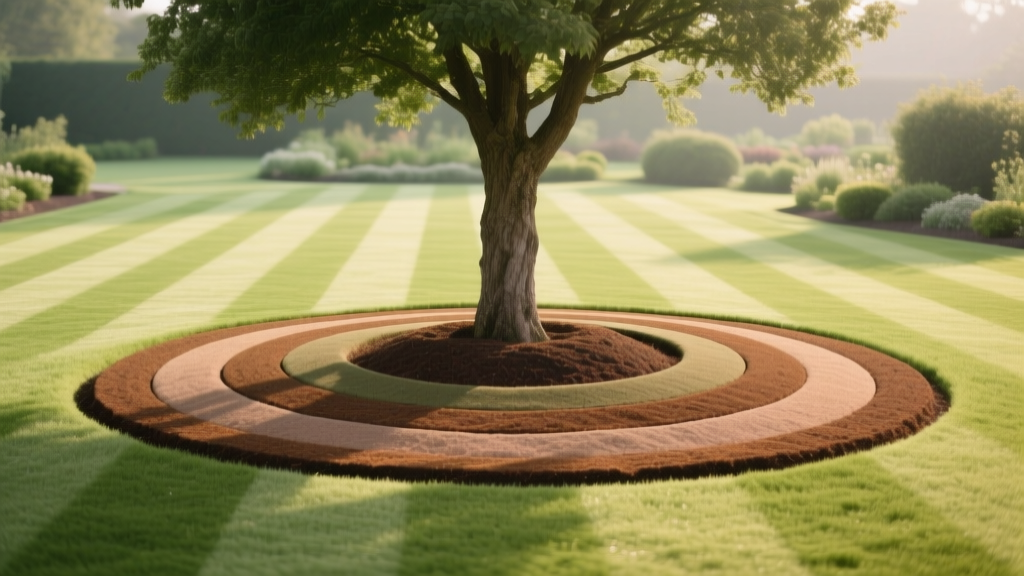
The 2026 Mulch Donut Rule: 3-Inch Depth For Striped Lawns
Sarah ChenPublished
The Intersection of Linear Striping and Circular Tree Beds
When you invest time, fuel, and precision into lawn striping, your yard becomes a canvas of meticulous, parallel lines. Whether you are pushing a commercial zero-turn mower with a 2026 striping kit or using a push mower with a weighted roller, the aesthetic appeal of a striped lawn relies heavily on contrast and geometry. However, a common mistake among landscaping enthusiasts is treating the base of mature trees as an afterthought. Piling mulch haphazardly against a trunk not only destroys the visual flow of your striped lawn but also severely compromises tree health. In 2026, the gold standard for integrating tree care with high-end lawn aesthetics is the "mulch donut" technique, strictly adhering to the 3-inch depth rule. This method provides a stunning, organic circular focal point that perfectly anchors the linear patterns of your striped turf while promoting vigorous root development and preventing trunk rot.
The Biological Imperative: Understanding the 3-Inch Depth Rule
The 3-inch depth rule is not merely a suggestion; it is a biological necessity for tree survival and soil ecology. According to research published by the University of Minnesota Extension, applying mulch deeper than three inches can lead to severe oxygen deprivation for the fine feeder roots located just beneath the soil surface. Tree roots require a delicate balance of moisture and gas exchange. When mulch is piled too thickly, it creates an anaerobic environment, leading to root suffocation, the buildup of toxic gases, and the proliferation of harmful fungal pathogens.
Conversely, a uniform 3-inch layer of organic mulch provides the perfect microclimate. It insulates the soil against extreme temperature fluctuations, retains vital moisture during the peak heat of summer, and suppresses aggressive turfgrass and weeds that would otherwise compete with the tree for nutrients. For the aesthetic-focused homeowner, a consistent 3-inch depth also ensures that the mulch bed sits slightly below the grade of the surrounding striped lawn, preventing mulch washout onto your pristine turf during heavy rainstorms.
The Donut vs. The Volcano: Protecting the Root Flare
The most egregious error in modern landscaping is "volcano mulching"—the practice of piling mulch high against the trunk of the tree, resembling a volcano. The Penn State Extension explicitly warns against this practice, noting that constant moisture against the bark causes the cambium layer to rot, invites boring insects, and encourages girdling roots that will eventually strangle the tree. Furthermore, a volcano mulch mound looks sloppy and entirely disrupts the clean, manicured sightlines of a professionally striped lawn.
The solution is the "donut" shape. A proper mulch donut keeps the mulch completely away from the trunk, exposing the root flare (the area where the trunk widens at the base and meets the soil). The center of the donut should be entirely free of mulch, creating a clean, dry ring of air around the bark. From a design perspective, the sharp inner circle of the donut mirrors the crisp, defined edges of your lawn stripes, creating a cohesive, architectural landscape design.
Step-by-Step: Crafting the Perfect Mulch Donut in 2026
Achieving the perfect mulch donut requires patience, the right materials, and an eye for geometric precision. Follow these steps to create a tree ring that enhances both the health of your canopy and the visual impact of your lawn stripes.
- Define the Radius: For optimal tree health, the mulch ring should extend to the tree's drip line. However, for aesthetic integration with lawn stripes, a minimum radius of 3 to 4 feet from the trunk is recommended to allow for wide, sweeping mower turns without scalping the turf.
- Excavate and Edge: Use a half-moon edger or a 2026 battery-powered landscape edger to cut a deep, vertical trench (about 4 inches deep) along the outer perimeter of your circle. This trench acts as a physical barrier, preventing both grass rhizomes and mulch from crossing the boundary.
- Clear the Base: Remove all existing grass, weeds, and old, compacted mulch from within the circle. Expose the natural soil grade and locate the root flare.
- Apply the 3-Inch Layer: Spread your chosen organic mulch evenly across the bed. Use a landscaping rake to grade the mulch to exactly 3 inches deep. Pro tip: Use a small piece of PVC pipe cut to 3 inches as a depth gauge to ensure absolute uniformity.
- Carve the Donut Hole: Pull all mulch back 3 to 5 inches from the base of the trunk. The root flare must be 100% visible and exposed to the air. The resulting shape should look like a flat, wide donut.
- Top-Dress for Contrast: Lightly rake the top layer of the mulch in a single, circular direction to give it a freshly groomed texture that catches the sunlight, contrasting beautifully with the alternating light and dark bands of your striped lawn.
Best Mulch Materials for High-Contrast Striped Lawns
The visual impact of your mulch donut depends heavily on the material you choose. In 2026, landscape designers favor materials that offer deep, rich colors to contrast with the vibrant green of a freshly mowed, striped lawn. Below is a comparison of the top mulch choices for aesthetic and functional performance.
| Mulch Type | Aesthetic Contrast | Moisture Retention | Decomposition Rate | 2026 Avg Cost (per cu ft) |
|---|---|---|---|---|
| Double-Shredded Hardwood | High (Dark Brown) | Excellent | Moderate | $4.50 |
| Dyed Black Mulch | Extreme (Jet Black) | Moderate | Fast | $4.80 |
| Pine Bark Nuggets | Medium (Rustic) | Good | Slow | $5.20 |
| Natural Cedar Mulch | High (Reddish-Gold) | Excellent | Very Slow | $6.50 |
Note: While dyed black mulch provides the most dramatic contrast against bright green turf, ensure you purchase from a reputable supplier in 2026 that uses vegetable-based, non-toxic dyes to protect local soil biology and groundwater.
2026 Edging Tools for Crisp Boundaries
The line where the mulch donut meets the striped lawn is the most critical visual boundary in your yard. If grass creeps into the mulch, or mulch spills onto the turf, the illusion of a professional landscape is broken. To maintain this boundary, investing in modern edging technology is essential. The 2026 lineup of battery-powered edgers, such as the EGO Power+ Multi-Head System with the Carbon Fiber Edger attachment or the Stihl KMA 135 R, provides gas-like torque with zero emissions and precise depth control. These tools allow you to redefine the vertical trench of your mulch donut in seconds, ensuring the edge remains as sharp and deliberate as the stripes on your lawn.
Seasonal Maintenance and Topping
Organic mulch decomposes over time, enriching the soil but reducing the depth of your donut. To maintain the strict 3-inch depth rule and the visual pop of the bed, plan for a seasonal refresh. In early spring, before your heavy striping season begins, rake the existing mulch to break up any fungal mats or hydrophobic crusts. Measure the depth; if it has settled to less than 2 inches, apply a 1-inch layer of fresh mulch to bring it back to the 3-inch maximum. Never simply add new mulch on top of old without checking the total depth, as this inadvertently leads to the dreaded volcano effect over time. In autumn, ensure that fallen leaves are blown out of the donut center, as wet leaves packed against the trunk will cause the exact same rot issues as piled mulch.
Conclusion
A beautifully striped lawn is a testament to your dedication as a homeowner, but the true mark of a master landscaper lies in the details. By implementing the mulch donut technique and strictly adhering to the 3-inch depth rule, you protect the long-term vitality of your trees while introducing a striking geometric contrast to your yard. The clean, exposed root flare and the crisp, trenched borders of the donut bed elevate your outdoor space from a simple mowed lawn to a cohesive, professionally designed landscape. Grab your edger, measure your depth, and let your trees become the perfect focal points for your 2026 striping masterpiece.
