Lawn Care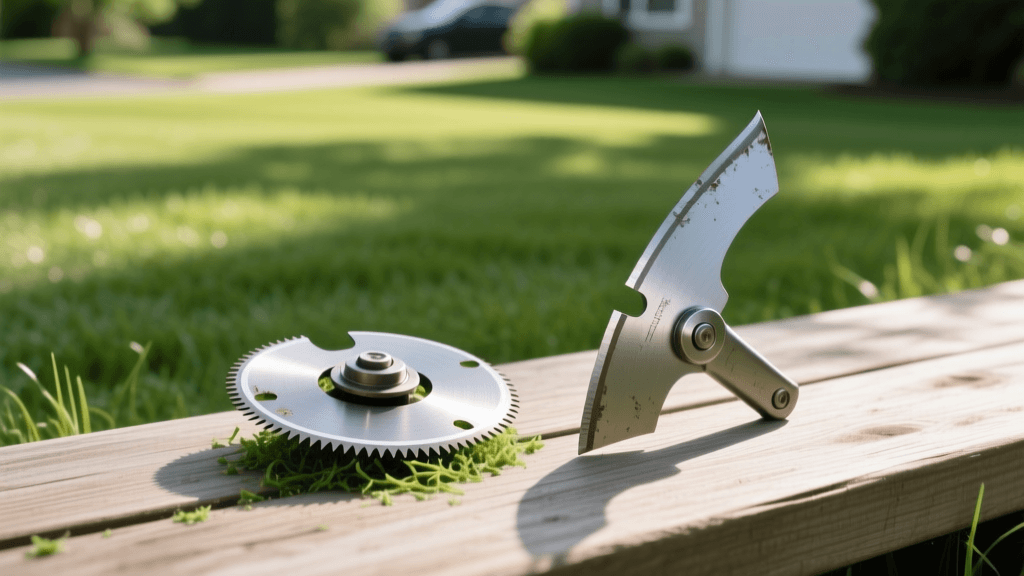
Mulching vs High-Lift Mower Blades: The Ultimate Guide
The Critical Role of Your Mower Blade
When it comes to lawn care, homeowners often obsess over mower deck size, engine horsepower, and zero-turn radius capabilities. However, the single most important component for the actual health and appearance of your turf is hidden right beneath the deck: the mower blade. Choosing the wrong blade can lead to torn grass tips, increased disease susceptibility, and poor clipping management. In the world of lawn equipment, the debate almost always narrows down to two primary contenders: high-lift blades and mulching blades. Understanding the aerodynamics, cutting mechanics, and best use cases for each will completely transform your mowing results.
High-Lift Mower Blades: The Power of Suction
Design and Mechanics
High-lift blades are the standard blades that come pre-installed on most side-discharge and bagging mowers. Their defining characteristic is a pronounced upward curve on the trailing edge of the blade wing. This aggressive angle acts like a fan, creating a powerful vacuum effect inside the mower deck. This suction pulls the grass blades upright before the cutting edge slices them, ensuring a perfectly level, manicured cut even if the grass is slightly uneven.
Pros and Cons of High-Lift Blades
The primary advantage of a high-lift blade is its exceptional clipping evacuation. The strong airflow propels clippings out of the side chute or forcefully up into the collection bag, preventing deck clogging. This makes them the undisputed champion for mowing tall, damp, or thick grass. However, this immense suction comes with trade-offs. High-lift blades require more engine horsepower to spin, which can slightly increase fuel consumption. Furthermore, if you attempt to mulch with a standard high-lift blade, the large clippings will be blown out of the deck rather than recut, leaving unsightly clumps on your lawn.
Mulching Mower Blades: The Nutrient Recyclers
Design and Mechanics
Mulching blades, often referred to as 3-in-1 blades or Gator blades, feature a much more complex geometry. Instead of a single straight cutting edge with a lifted wing, mulching blades have multiple cutting surfaces, extended curved edges, and often a serrated or toothed design near the center. The deck airflow is designed to keep the grass clippings suspended in a vortex beneath the mower. As the clippings circulate, the multiple cutting edges chop them repeatedly until they are reduced to fine, dime-sized particles that fall easily through the turf canopy to the soil surface.
Pros and Cons of Mulching Blades
The biggest benefit of mulching blades is nutrient recycling. By leaving fine clippings on the lawn, you are returning valuable organic matter and nitrogen directly to the soil. They also eliminate the tedious chore of emptying collection bags or raking side-discharged windrows. The downside is that mulching blades struggle in adverse conditions. If the grass is excessively tall, wet, or growing rapidly during peak spring rains, the deck can become overwhelmed. The clippings will not circulate properly, resulting in clumping and an uneven cut.
Head-to-Head Comparison: High-Lift vs. Mulching Blades
| Feature | High-Lift Blade | Mulching Blade |
|---|---|---|
| Primary Function | Bagging and Side-Discharging | Mulching and Nutrient Recycling |
| Deck Airflow | High suction, strong horizontal evacuation | Circular vortex, keeps clippings suspended |
| Best Grass Condition | Tall, wet, or dense grass | Dry, regularly maintained grass |
| Clipping Size | Long, single-cut strands | Finely chopped, multi-cut particles |
| Power Requirement | Higher (due to aggressive wing lift) | Moderate (less aerodynamic drag) |
| Leaf Shredding | Poor (blows leaves away) | Excellent (shreds leaves into mulch) |
The Science of Grass Clippings and Thatch
A common misconception that drives homeowners to bag their clippings with high-lift blades is the fear of thatch buildup. Thatch is a dense layer of dead stems and roots that accumulates between the soil and the green turf. However, according to the Clemson University Home and Garden Information Center, leaving grass clippings on the lawn does not contribute to thatch buildup. Clippings are composed of 80% to 85% water and break down rapidly when processed by soil microbes.
In fact, recycling your clippings is one of the most cost-effective fertilization strategies available. Research from the Michigan State University Extension highlights that returning grass clippings to the turf can provide up to 25% of your lawn's annual nitrogen needs, alongside essential potassium and phosphorus. To achieve this without smothering the grass, a sharp mulching blade is mandatory, as it ensures the clippings are small enough to decompose before they can block sunlight to the living grass blades beneath.
Seasonal Blade Swapping Strategy
Professional turf managers rarely use the same blade year-round. Adapting your equipment to the season guarantees the best results. The University of Minnesota Extension recommends adjusting your mowing practices based on seasonal growth patterns, and this applies directly to blade selection.
- Early Spring: Grass grows rapidly and is often damp from snowmelt and rain. Install high-lift blades and use the bagging attachment to clean up winter debris and prevent clumping during the first few aggressive cuts.
- Late Spring to Summer: Once the lawn dries out and you establish a regular weekly mowing schedule, switch to mulching blades. This conserves soil moisture, returns nutrients, and saves time during the hot months.
- Autumn: Keep the mulching blades installed. They are phenomenal for leaf mulching. By running the mower over fallen leaves, the serrated edges shred them into fine organic matter that will decompose over winter, feeding the soil without requiring you to rake.
How to Maintain, Sharpen, and Balance Your Blades
Whether you choose high-lift or mulching, a dull blade will tear the grass rather than slice it. Torn grass tips turn brown and create an entry point for fungal diseases. You should sharpen your blades after every 20 to 25 hours of mowing time.
Step-by-Step Sharpening Guide
- Safety First: Always disconnect the spark plug wire on gas mowers or remove the battery on electric mowers before reaching under the deck.
- Removal: Use a socket wrench and a block of wood to hold the blade still while you loosen the center bolt. Note the orientation of the blade before removing it.
- Securing: Clamp the blade securely in a bench vise.
- Filing: Use a metal hand file or an angle grinder to follow the original cutting angle, which is typically between 30 and 45 degrees. Only file the top bevel of the cutting edge; never file the flat bottom. For mulching blades, carefully maintain the complex curves and serrations.
- Balancing: This is a critical, often skipped step. An unbalanced blade will vibrate violently, destroying your mower's spindle bearings. Hang the blade horizontally on a nail through the center hole. If one side dips lower, file a small amount of metal off the heavy side's cutting edge until it sits perfectly level.
Final Verdict: Which Blade Should You Choose?
There is no single perfect blade; the right choice depends entirely on your lawn's current condition and your maintenance goals. If you have a pristine, flat lawn, you mow weekly, and you want to reduce your fertilizer bill, invest in a high-quality set of mulching blades. If you frequently let the grass grow a bit too tall, live in a damp climate, or prefer the crisp, striped look that comes with a powerful bagging system, stick with high-lift blades. For the ultimate lawn care enthusiast, keeping a sharpened set of both in the garage and swapping them based on the season and weather conditions is the true hallmark of a professional-grade lawn.