
Landscaping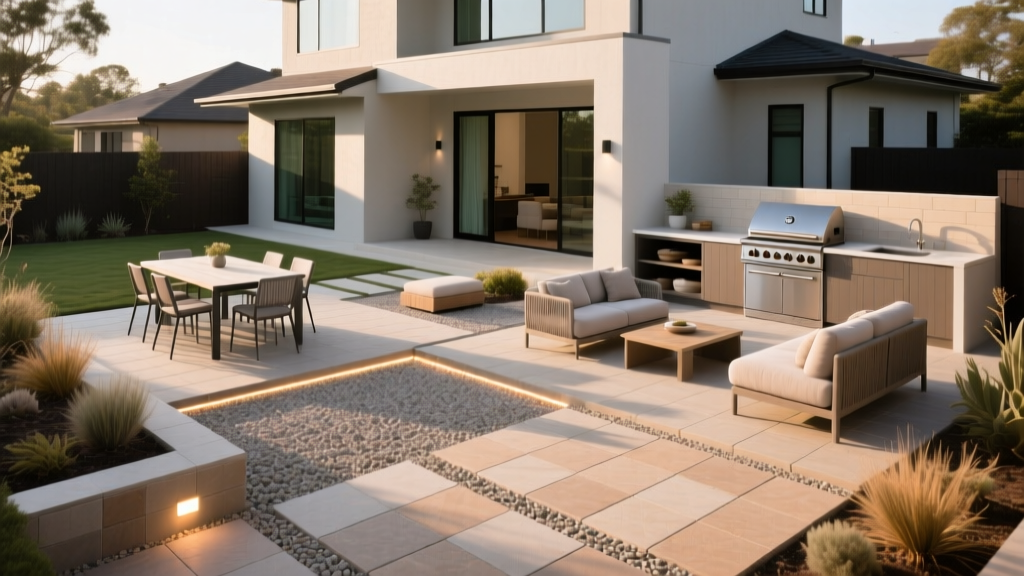
How to Design a Multi-Zone Paver Patio for Entertaining
David ParkPublished
The Power of the Multi-Zone Patio
When it comes to elevating your home's outdoor living space and maximizing curb appeal, a standard square concrete slab simply will not suffice. Today's premier landscape designs focus on the multi-zone paver patio—a thoughtfully segmented outdoor area that caters to distinct activities like dining, lounging, and cooking. According to the National Association of Realtors (NAR), outdoor living spaces and patios consistently rank among the top projects for recouping costs and attracting buyers, proving that functional curb appeal is a smart investment.
Designing a multi-zone patio requires a strategic approach to spatial planning, material selection, and landscape integration. By breaking your outdoor space into dedicated zones, you create a natural flow that encourages guests to mingle, dine, and relax without feeling crowded. Below, we break down exactly how to design, build, and landscape a multi-zone paver patio that will become the ultimate neighborhood entertaining hub.
Zone 1: The Dining and Culinary Hub
The anchor of any entertaining space is the dining and cooking zone. This area needs to be highly functional, easily accessible from the home's kitchen, and spacious enough to accommodate furniture and foot traffic.
Sizing and Dimensions
For a standard outdoor dining table that seats six to eight people (typically 36 by 72 inches), you must account for chair clearance. Allow a minimum of 36 inches of clearance on all sides of the table for guests to pull out their chairs comfortably. Therefore, your dedicated dining paver zone should measure at least 12 feet by 14 feet.
The Outdoor Kitchen Integration
If you are incorporating a built-in grill or outdoor kitchen, position it upwind from the primary seating areas to keep smoke away from your guests. Use heat-resistant pavers or natural stone countertops, and ensure a minimum of 18 inches of landing space on either side of the grill for food prep. Install a dedicated 20-amp GFCI circuit for outdoor appliances and low-voltage lighting.
Zone 2: The Conversation and Fire Pit Lounge
To keep guests engaged after dinner, transition into a lowered or visually separated lounge zone centered around a fire feature. This zone thrives on intimacy and comfort.
Fire Pit Clearances and Safety
Safety and comfort dictate the layout of the fire pit zone. A standard gas or wood-burning fire pit ranges from 36 to 44 inches in diameter. You must maintain a minimum clearance of 10 feet from any combustible structures, overhanging trees, or property lines.
Building a Seating Wall
Instead of relying solely on movable outdoor furniture, incorporate a built-in paver seating wall. The ergonomic standard for outdoor seating walls is 18 inches in height and 12 to 14 inches in depth. Cap the wall with smooth, rounded natural stone or specialized bullnose pavers to provide a comfortable seating surface and a polished, high-end look that significantly boosts your yard's curb appeal.
Choosing the Right Pavers for Curb Appeal and Durability
The material you choose sets the tone for your entire landscape. Pavers offer immense design flexibility, allowing you to create borders, intricate patterns, and contrasting zones that define the space visually.
| Material | Avg. Cost (per sq. ft.) | Durability | Curb Appeal Factor | Maintenance |
|---|---|---|---|---|
| Concrete Pavers | $3 - $8 | High | Versatile; available in countless colors and shapes. | Low; requires occasional sealing. |
| Clay Brick | $5 - $10 | Very High | Classic, timeless; rich earthy tones that age beautifully. | Moderate; may shift or grow moss in shade. |
| Natural Stone (Flagstone/Bluestone) | $10 - $25 | Exceptional | Premium, organic look; unmatched luxury and texture. | Low; highly resistant to weathering. |
Design Tip: Use a herringbone pattern for the main dining zone to create visual interest and structural interlock, and switch to a running bond or large-format slab pattern in the lounge zone to visually separate the spaces without needing physical barriers.
Base Preparation and Drainage: The Secret to Longevity
A beautiful patio will quickly become an eyesore if it heaves, settles, or pools water. Proper base preparation is non-negotiable. According to guidelines referenced by Penn State Extension, proper sub-base compaction and drainage are critical to preventing frost heave and ensuring the longevity of paved surfaces.
Excavation and Base Materials
- Excavation: Dig down 9 to 11 inches below the desired finished grade to accommodate the base, bedding sand, and paver thickness.
- Sub-Base: Lay down 6 to 8 inches of Class II road base (crushed angular gravel). Compact this layer in 2-inch lifts using a plate compactor to achieve a 95% Proctor density.
- Bedding Layer: Spread exactly 1 inch of coarse, sharp concrete sand over the compacted base. Do not use fine masonry sand, as it can wash out and cause settling.
Managing Water Runoff
Always grade your patio with a minimum slope of 1/8 inch per foot away from your home's foundation. For areas with poor soil drainage, consider utilizing permeable pavers. The Environmental Protection Agency (EPA) notes that permeable pavements not only manage stormwater runoff effectively but can also help mitigate the urban heat island effect, making your entertaining space cooler during hot summer evenings.
Landscaping Borders and Lighting for Nighttime Entertaining
To truly maximize curb appeal, the hardscaping must blend seamlessly with softscaping. Harsh, straight concrete edges look sterile and unfinished.
Softening the Edges
Frame your paver patio with lush, low-maintenance planting beds. Use ornamental grasses like Karl Foerster Feather Reed Grass to provide vertical movement and privacy. Along the borders, plant creeping thyme or sedum between the paver joints or along the edges to soften the transition between the stone and the lawn. This organic integration makes the patio feel like a natural extension of the landscape rather than an afterthought.
Layered Outdoor Lighting
Entertaining often extends well into the evening, making low-voltage LED lighting essential for both safety and ambiance.
- Path Lights: Space 18-inch tall path lights 8 to 10 feet apart along walkways leading to the patio.
- Hardscape Lights: Install concealed LED strip lighting under the lip of your seating wall capstones to illuminate the lounge zone with a warm, inviting glow.
- Uplighting: Place directional spotlights at the base of nearby architectural trees or specimen shrubs to create dramatic shadows and draw the eye from the street.
- Color Temperature: Stick to warm white bulbs (2700K to 3000K) to create a cozy, inviting atmosphere that flatters skin tones and highlights landscape textures.
Project Timeline and Cost Breakdown
Building a multi-zone patio is a significant undertaking. For a standard 600-square-foot project, expect the following timeline and investment:
- Phase 1: Design and Permits (1-3 Weeks): Finalizing blueprints, marking utility lines (Call 811), and securing local HOA or municipal approvals.
- Phase 2: Excavation and Base Prep (3-5 Days): The most labor-intensive phase. Renting a mini-skid steer can save days of manual digging.
- Phase 3: Laying Pavers and Cutting (4-6 Days): Setting the pavers, cutting edges with a wet saw, and installing borders.
- Phase 4: Sanding, Compacting, and Sealing (2 Days): Sweeping in polymeric sand, compacting it into the joints, and applying a breathable, UV-resistant sealer.
Estimated Costs: For a professionally installed, mid-range concrete paver patio with a seating wall and basic lighting, expect to pay between $25 and $45 per square foot. A 600-square-foot multi-zone project typically ranges from $15,000 to $27,000. While the upfront cost is substantial, the return on investment in daily enjoyment, entertainment value, and boosted curb appeal makes it one of the most rewarding landscaping projects a homeowner can undertake.

