
Landscaping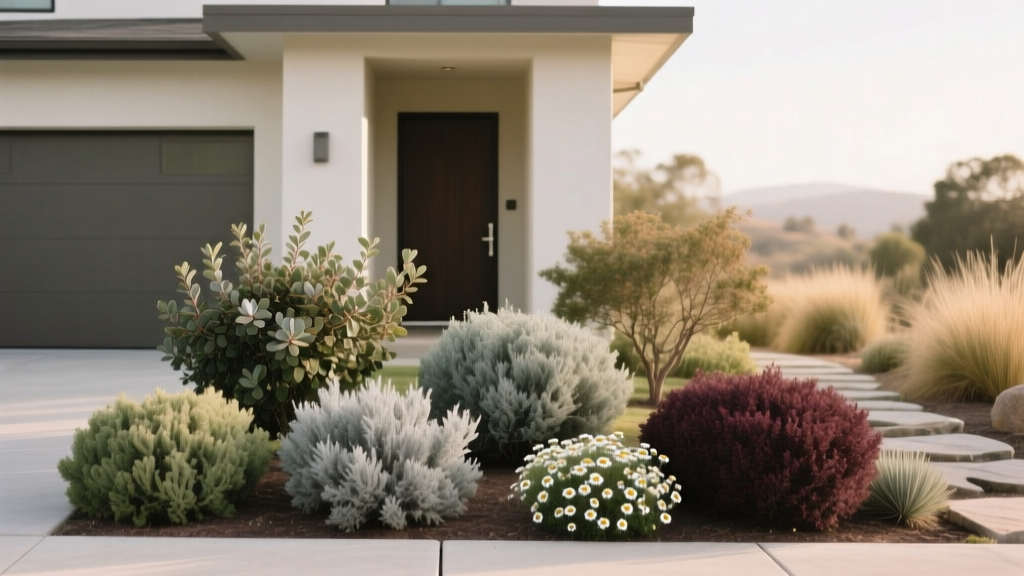
Best Native Drought-Tolerant Shrubs for Foundation Landscaping
Sarah ChenPublished
Transforming Your Foundation with Native, Drought-Tolerant Shrubs
Foundation landscaping serves as the visual anchor of your home, bridging the gap between your architecture and the surrounding yard. However, traditional foundation plantings often rely on thirsty, non-native species like boxwoods or exotic azaleas that demand constant watering, chemical fertilizers, and frequent shearing. As water conservation becomes a critical priority for homeowners and municipalities alike, shifting toward native, drought-tolerant shrubs is one of the smartest landscaping investments you can make.
By selecting species that are indigenous to your specific region, you create a resilient landscape that thrives on natural rainfall once established. According to the Environmental Protection Agency (EPA), outdoor water use accounts for nearly 30% of total household water consumption, with a significant portion wasted on inefficient landscaping. Transitioning to native xeriscaping principles not only slashes your water bill but also reduces maintenance time and supports local ecosystems.
The Case for Native Foundation Shrubs
Why should you replace or avoid traditional exotic shrubs? Native plants have evolved over thousands of years to withstand the specific climatic extremes, soil types, and pest pressures of your region. The National Wildlife Federation highlights that native plants are the foundation of local food webs, providing essential nectar, pollen, and seeds for native birds, bees, and butterflies that exotic plants simply cannot support.
Pro Tip: When shopping for native shrubs, always look for straight species or naturally occurring cultivars (often called 'nativars'). Avoid heavily modified varieties with 'double blooms' or altered leaf colors (like purple or red foliage), as these changes often render the plant useless to local pollinators.
From a financial perspective, native shrubs save money. After the first year of establishment, they require little to no supplemental irrigation, eliminating the need for complex sprinkler zones. Furthermore, their natural growth habits reduce the need for professional pruning services.
Top 5 Native Shrubs for Foundation Planting by Region
Selecting the right plant for your specific hardiness zone and microclimate is crucial. Below are five outstanding, drought-tolerant native shrubs categorized by their ideal growing regions, complete with specific cultivar recommendations, mature sizing, and estimated nursery costs.
1. Dwarf Yaupon Holly (Ilex vomitoria 'Nana')
Best For: Southeast and Coastal Southern regions (Zones 7-9)
Details: Despite its alarming botanical name, Yaupon Holly is a cornerstone of Southern landscaping. The 'Nana' cultivar is a dense, mounding evergreen that naturally stays compact, making it perfect for planting beneath low windows. It is exceptionally drought-tolerant, salt-tolerant, and thrives in poor, sandy soils.
Measurements & Timing: Reaches 3 to 4 feet tall and 4 to 5 feet wide. Plant in early fall to allow root establishment before the summer heat.
Cost: $40 to $55 per 3-gallon container.
2. California Lilac (Ceanothus thyrsiflorus 'Skylark')
Best For: West Coast and Mediterranean climates (Zones 8-10)
Details: Ceanothus is legendary for its vibrant blue spring blooms and extreme drought tolerance. The 'Skylark' variety is a reliable, compact evergreen shrub that attracts massive amounts of native bees. According to the University of California's WUCOLS database, Ceanothus species are classified as 'Very Low' water use plants once established.
Measurements & Timing: Grows 3 to 4 feet tall and wide. Plant in late fall or early winter to capitalize on seasonal rains. Avoid amending the soil with rich compost; they prefer lean, well-draining dirt.
Cost: $35 to $50 per 5-gallon container.
3. Shrubby Cinquefoil (Dasiphora fruticosa)
Best For: Northern US, Mountain regions, and cold climates (Zones 2-7)
Details: For gardeners facing freezing winters and dry summers, Shrubby Cinquefoil is a lifesaver. This deciduous shrub produces cheerful, butter-yellow flowers from early summer straight through to the first frost. It is highly resistant to deer and rabbits.
Measurements & Timing: Maintains a neat 2 to 3 feet height and spread. Plant in early spring after the ground thaws.
Cost: $25 to $40 per 2-gallon container.
4. Dwarf Wax Myrtle (Morella cerifera 'Don's Dwarf')
Best For: Coastal plains, South, and Southwest (Zones 7-10)
Details: Standard Wax Myrtle can grow into a massive tree, but 'Don's Dwarf' is a specially selected cultivar that stays shrub-sized. It features aromatic, olive-green foliage that releases a pleasant, spicy fragrance when brushed against. It handles clay soil, drought, and high winds with ease.
Measurements & Timing: Grows 4 to 6 feet tall and wide. Plant in fall or early spring.
Cost: $45 to $65 per 3-gallon container.
5. Bearberry / Kinnikinnick (Arctostaphylos uva-ursi)
Best For: Northern US, Pacific Northwest, and rocky slopes (Zones 2-6)
Details: While technically a woody groundcover, Bearberry functions beautifully as a low-growing foundation edge planting. It features glossy evergreen leaves, delicate spring bell flowers, and bright red winter berries. It is incredibly cold-hardy and thrives in rocky, infertile soils where other shrubs starve.
Measurements & Timing: Stays under 1 foot tall but spreads 3 to 6 feet wide. Plant in early spring.
Cost: $20 to $35 per 1-gallon container.
Species Comparison Chart
Use the table below to quickly compare these native foundation shrubs based on your landscape's specific requirements and your budget.
| Species / Cultivar | Mature Size (H x W) | Hardiness Zones | Sun Requirements | Est. Cost (Nursery Pot) |
|---|---|---|---|---|
| Ilex vomitoria 'Nana' | 3-4 ft x 4-5 ft | 7 - 9 | Full Sun to Part Shade | $40 - $55 (3-gal) |
| Ceanothus 'Skylark' | 3-4 ft x 3-4 ft | 8 - 10 | Full Sun | $35 - $50 (5-gal) |
| Dasiphora fruticosa | 2-3 ft x 2-3 ft | 2 - 7 | Full Sun | $25 - $40 (2-gal) |
| Morella 'Don's Dwarf' | 4-6 ft x 4-6 ft | 7 - 10 | Full Sun to Part Shade | $45 - $65 (3-gal) |
| Arctostaphylos uva-ursi | 0.5-1 ft x 3-6 ft | 2 - 6 | Full Sun to Part Shade | $20 - $35 (1-gal) |
Step-by-Step Guide to Planning and Planting
Even the most drought-tolerant native shrub will fail if planted incorrectly. Foundation beds present unique challenges, including poor builder-grade soil, alkaline conditions from concrete leaching, and roof overhangs that block rainfall. Follow these actionable steps for success:
1. Measure for Proper Airflow and Access
A common mistake is planting shrubs too close to the house, which traps moisture against the siding and invites pests. Calculate your planting distance using this formula: (Mature Width ÷ 2) + 12 inches. For example, if a shrub will grow 4 feet wide (48 inches), plant its center at least 36 inches away from the foundation. This ensures a 1-foot gap between the mature foliage and your home, promoting vital airflow and allowing access for painting or repairs.
2. Correcting Builder-Grade Soil
New construction homes often feature heavily compacted clay or nutrient-stripped fill dirt. Before digging, loosen the soil in the entire foundation bed to a depth of 12 inches using a broadfork or tiller. When digging the individual planting hole, make it twice as wide as the nursery pot but no deeper. The root flare (where the trunk meets the roots) must sit slightly above the surrounding soil grade to prevent crown rot.
3. Installation and Initial Watering
Remove the shrub from its pot and gently tease out the outer roots to prevent girdling. Backfill with the native soil you removed—avoid the temptation to fill the hole with rich potting mix, as this creates a 'bathtub effect' that traps water and discourages roots from venturing into the surrounding earth. Water deeply immediately after planting to collapse air pockets.
Establishment, Mulching, and Long-Term Care
The term 'drought-tolerant' only applies to established plants. During their first 12 to 18 months, native shrubs require consistent moisture to develop deep, resilient root systems.
- Temporary Irrigation: Install a simple drip irrigation line with 1-gallon-per-hour (GPH) emitters placed 12 inches from the base of each shrub. Run the system for 30 minutes twice a week during the first summer, then gradually taper off.
- Proper Mulching: Apply a 2 to 3-inch layer of natural wood chips or shredded bark over the root zone. This suppresses weeds and retains soil moisture. Crucially, keep the mulch at least 3 inches away from the main stem of the shrub to prevent 'volcano mulching,' which causes fatal stem rot.
- Pruning Protocol: Native shrubs look best when allowed to develop their natural, architectural shapes. Avoid shearing them into rigid boxes with hedge trimmers. Instead, use hand pruners to selectively remove dead wood or crossing branches in late winter, just before the spring growth flush begins.
Conclusion
Upgrading your foundation landscaping with native, drought-tolerant shrubs is a powerful way to enhance your home's curb appeal while aligning with sustainable, eco-friendly gardening practices. By choosing region-appropriate species like Dwarf Yaupon Holly, California Lilac, or Shrubby Cinquefoil, you eliminate the endless cycle of watering, feeding, and fighting pests. With proper spacing, thoughtful soil preparation, and smart mulching techniques, your foundation bed will mature into a vibrant, low-maintenance showcase that saves you money and supports local biodiversity for decades to come.

