Gardening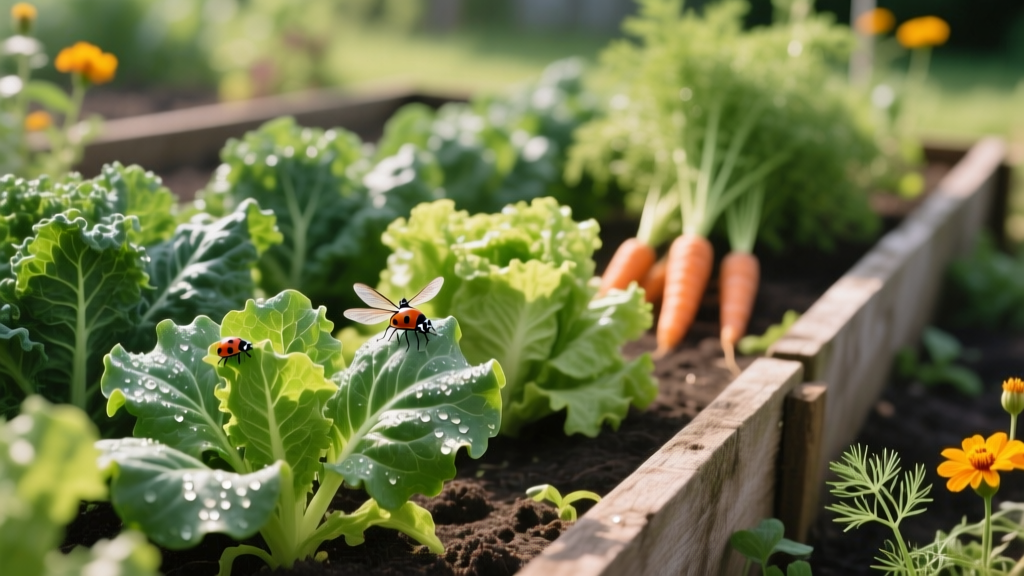
Natural Aphid Control For Vegetables: An Organic Guide
David ParkPublished
Understanding the Aphid Threat in Organic Gardens
Aphids are among the most pervasive and frustrating pests encountered in vegetable gardening. These tiny, soft-bodied insects feed by piercing plant tissues and sucking out nutrient-rich sap. While a few aphids might seem harmless, their ability to reproduce asexually through a process called parthenogenesis means that a small colony can explode into a massive infestation in a matter of days. According to the University of Minnesota Extension, aphids not only weaken plants by draining their vital fluids, but they also excrete a sticky substance known as honeydew. This honeydew attracts ants and serves as a breeding ground for sooty mold, a black fungus that blocks sunlight and severely hampers photosynthesis.
For organic gardeners, managing aphids requires a shift in mindset. Rather than reaching for broad-spectrum synthetic pesticides that devastate local ecosystems, chemical-free gardening relies on a multi-tiered approach. This includes physical removal, botanical sprays, biological controls, and strategic companion planting to keep pest populations below the threshold of economic damage.
Early Detection and Routine Monitoring
The cornerstone of any successful organic pest management strategy is early detection. Aphids typically congregate on the tender, new growth of plants, as well as the undersides of leaves where they are sheltered from direct sunlight and rain. Make it a habit to inspect your vegetable beds at least twice a week during the spring and early summer.
Look for telltale signs of an infestation:
- Curled or distorted leaves: Aphid saliva contains compounds that cause plant cells to grow unevenly, resulting in puckered foliage.
- Yellowing foliage: A general loss of vigor and chlorosis in localized areas.
- Presence of ants: Ants farm aphids for their honeydew and will actively protect them from predators. If you see ants marching up your tomato or pepper stalks, inspect the leaves immediately.
Top Chemical-Free Aphid Control Methods
When monitoring reveals an active aphid colony, immediate intervention is necessary. Fortunately, several highly effective, non-toxic methods can knock down populations without harming the broader garden ecosystem.
The Water Blast Technique
Before mixing any sprays, try the simplest method first: a strong jet of water. Using a garden hose equipped with an adjustable nozzle, set it to a firm, flat stream. Spray the undersides of the infested leaves, physically knocking the aphids off the plant. Because aphids are weak crawlers, most will die from starvation or ground-dwelling predators before they can climb back up. This method costs nothing, takes only minutes, and poses zero risk to beneficial insects. For best results, perform this task early in the morning so the foliage can dry in the sun, reducing the risk of fungal diseases.
DIY Insecticidal Soap Spray
If water alone does not suffice, insecticidal soap is a staple in the organic gardener's toolkit. Soap sprays work on contact by breaking down the waxy cuticle of the aphid's exoskeleton, leading to rapid desiccation. You can easily make your own for pennies on the dollar.
Recipe:
- 1 quart of lukewarm water (soft or distilled water is best to prevent mineral buildup)
- 1 teaspoon of pure liquid castile soap (such as Dr. Bronner's unscented or peppermint)
Mix gently in a spray bottle and apply directly to the aphids, ensuring thorough coverage of the leaf undersides. Repeat every 4 to 7 days until the population is controlled. Note: Avoid applying soap sprays during the heat of the day or when temperatures exceed 85°F, as this can cause phytotoxicity (leaf burn).
Cold-Pressed Neem Oil Emulsions
For severe infestations, cold-pressed neem oil offers a powerful organic solution. Derived from the seeds of the neem tree, it contains azadirachtin, a compound that disrupts the hormonal systems of insects, preventing them from molting and feeding. The National Pesticide Information Center notes that neem oil is highly effective against soft-bodied pests and has low toxicity for humans, pets, and birds. To use, emulsify 1 teaspoon of cold-pressed neem oil and 1/2 teaspoon of liquid castile soap into 1 quart of warm water. Shake vigorously and spray at dusk to protect foraging pollinators and prevent sunlight from degrading the active compounds.
Biological Controls: Harnessing Beneficial Insects
Nature has its own pest control workforce. Encouraging or introducing beneficial insects is a long-term strategy for keeping aphid numbers in check. The most famous aphid predators are ladybugs (Coccinellidae), which can consume dozens of aphids per day. However, green lacewings and parasitic wasps (such as Aphidius colemani) are often more effective in a garden setting.
"A garden teeming with diverse insect life is a resilient garden. By providing habitat and nectar sources, you invite the predators that will do the heavy lifting of pest management for you."
To attract these beneficial insects, plant a diverse array of nectar-rich flowers with small, shallow blossoms. Sweet alyssum, dill, cilantro, and yarrow are excellent choices. If you choose to purchase live ladybugs or lacewings from a garden center, release them at dusk after giving the plants a light misting of water, which encourages them to stay and drink rather than immediately flying away.
Companion Planting for Aphid Deterrence
Companion planting involves strategically placing certain plants near your vulnerable crops to either repel aphids or lure them away. Trap crops are sacrificial plants that aphids prefer over your main harvest, drawing the pests to a concentrated area where they can be easily managed. Repellent plants, on the other hand, emit strong volatile oils that mask the scent of your vegetables.
| Plant Type | Species | Role in Aphid Management |
|---|---|---|
| Trap Crop | Nasturtiums | Highly attractive to aphids; plant 5-10 feet away from prized crops to draw pests away. |
| Trap Crop | Mustard Greens | Lures aphids and flea beetles; easily pulled and composted once heavily infested. |
| Repellent | Garlic & Chives | Strong sulfur compounds mask the scent of nearby roses, tomatoes, and peppers. |
| Repellent | Catnip & Mint | Volatile oils deter aphids, ants, and flea beetles (plant in containers to prevent spreading). |
| Attractant | Sweet Alyssum | Provides nectar for hoverflies and parasitic wasps, which are voracious aphid predators. |
For more detailed strategies on integrating botanical diversity into pest management, the Cornell University Resource Guide for Organic Insect and Disease Management provides extensive, science-backed profiles on companion planting and organic interventions.
Preventative Soil and Fertilizer Management
Aphids are highly attracted to plants with high levels of soluble nitrogen in their sap. When gardeners over-apply fast-acting synthetic nitrogen fertilizers, they create a flush of lush, tender green growth that acts as a beacon for aphid colonies. To prevent this, focus on building healthy, balanced soil biology.
Utilize slow-release, organic fertilizers such as compost, worm castings, kelp meal, or alfalfa meal. These amendments break down gradually, providing a steady, balanced supply of nutrients that promotes strong cell walls and steady growth, making your plants naturally more resistant to sap-sucking insects. Additionally, maintaining proper soil moisture and applying a 2-inch layer of organic mulch around the base of your plants will reduce environmental stress, further bolstering your crops' natural immune responses.
Conclusion
Managing aphids without chemicals is not about achieving total eradication; it is about maintaining a balanced ecosystem where pests are kept below damaging levels. By combining vigilant monitoring, targeted organic sprays like neem and insecticidal soap, strategic companion planting, and a focus on soil health, you can protect your vegetable garden naturally. Embracing these chemical-free methods ensures that your harvest remains safe, your soil remains vibrant, and your local pollinator populations thrive season after season.
