Pest Control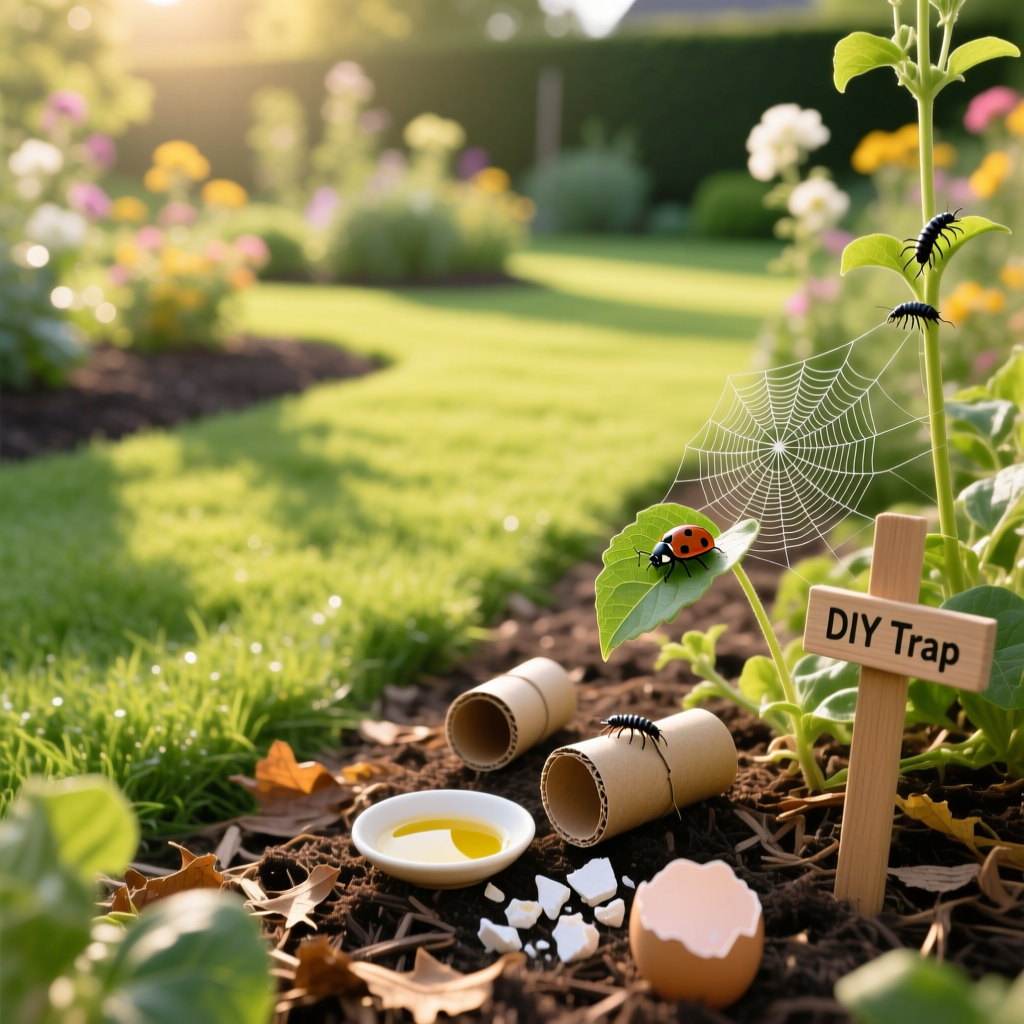
Natural Earwig Control in Garden Beds & Mulch
David ParkPublished
Earwigs are among the most misunderstood pests in the garden. With their distinctive pincer-like cerci protruding from their abdomen, these slender, reddish-brown insects can strike fear into the hearts of gardeners who spot them scurrying through mulch and garden beds. Despite old folklore suggesting they crawl into human ears — a myth entirely devoid of truth — earwigs are primarily a nuisance pest that can damage tender plant foliage, flowers, and seedlings when populations grow unchecked.
If you have noticed small, irregular holes in leaves, chewed flower petals, or damaged seedlings in your garden beds, earwigs may be the culprit. These nocturnal insects thrive in the dark, moist environments that mulch and densely planted garden beds provide. While a small earwig population can actually benefit your garden by feeding on aphids and decaying organic matter, an overpopulation can quickly turn them from helpful decomposers into destructive pests.
The good news is that you do not need harsh chemical pesticides to manage earwigs effectively. There are numerous natural, organic, and DIY methods to control earwig populations in your garden beds and mulch while maintaining a healthy, thriving landscape. This comprehensive guide walks you through identification, prevention, natural control strategies, and when it might be time to seek professional help.
Identifying Earwigs & Understanding Their Behavior in Garden Beds
Before you can effectively control earwigs, it is important to confirm that they are indeed the pest causing damage in your garden. Earwigs belong to the order Dermaptera and share several distinguishing characteristics that make them relatively easy to identify.
Physical Characteristics
Adult earwigs typically measure between one-quarter and five-eighths of an inch in length. They have elongated, flattened bodies that range in color from pale yellowish-brown to dark reddish-brown. Their most recognizable feature is the pair of forceps-like cerci at the rear of their abdomen, which they use for defense, capturing prey, and folding their delicate hind wings. Some species have wings tucked beneath short, leathery forewings, though many earwigs rarely fly.
Signs of Earwig Damage
Earwig damage can sometimes be confused with damage caused by slugs, snails, or caterpillars. Look for these telltale signs in your garden beds:
- Irregular holes in leaves: Earwigs chew ragged, irregular holes in foliage, often leaving a tattered, skeletonized appearance on leaves.
- Damage to flowers and buds: They are particularly fond of soft petals and may devour dahlias, zinnias, marigolds, and roses overnight.
- Seedling destruction: Young, tender seedlings are especially vulnerable and may be completely consumed.
- Nocturnal activity: Since earwigs feed at night, you will rarely see them during the day. Check plants with a flashlight after dark to spot them in action.
- Daytime hiding spots: During daylight hours, earwigs retreat to dark, moist crevices — under mulch, inside tight leaf clusters, beneath stones, and within cracks in garden bed borders.
Why Mulch & Garden Beds Attract Earwigs
Mulch is essentially an earwig paradise. It provides the three things earwigs need most: moisture, darkness, and shelter from predators. Organic mulches such as wood chips, straw, shredded bark, and compost create an ideal microhabitat where earwigs can breed, hide during the day, and emerge at night to feed on nearby plants. Garden beds with dense plantings compound the problem by reducing airflow and trapping humidity at the soil surface.
Understanding this relationship between mulch and earwig populations is crucial for developing an effective pest control strategy that does not require you to abandon mulching altogether. For more on maintaining healthy garden beds, explore our garden bed care guides.
Prevention Strategies: Making Your Garden Beds Less Inviting to Earwigs
The most effective approach to earwig management begins with prevention. By modifying the environment in and around your garden beds, you can significantly reduce the conditions that attract earwigs in the first place.
Mulch Management Techniques
You do not need to eliminate mulch entirely to reduce earwig problems. Instead, adopt these smarter mulching practices:
- Pull mulch away from plant stems: Create a mulch-free buffer zone of two to three inches around the base of plants and seedlings. This removes the immediate hiding spots earwigs use to access tender plant tissue.
- Reduce mulch depth: Keep mulch layers to two inches or less near vulnerable plants. Thicker layers retain more moisture and provide deeper shelter for earwig colonies.
- Choose mulch wisely: Inorganic mulches such as gravel or crushed stone are far less attractive to earwigs. If you prefer organic options, cedar mulch and cypress mulch have natural insect-repelling properties that can help deter earwigs.
- Allow the surface to dry: Rake mulch periodically to break up compacted layers and allow the surface to dry between waterings. Earwigs are strongly attracted to consistently damp environments.
Garden Bed Maintenance
Proper garden bed maintenance goes a long way toward preventing earwig infestations. Consider these practices as part of your regular lawn and garden care routine:
- Remove debris regularly: Fallen leaves, rotting plant material, and accumulated organic debris provide excellent earwig habitat. Clear garden beds of unnecessary debris throughout the growing season.
- Improve drainage: Address areas where water pools or where soil stays persistently soggy. Improving drainage reduces the moisture levels earwigs depend on.
- Thin dense plantings: Overcrowded plants trap moisture and create the humid conditions earwigs prefer. Prune and thin plants to improve air circulation.
- Eliminate hiding spots: Remove unnecessary boards, bricks, flower pots, and other objects near garden beds where earwigs might shelter during the day.
- Seal entry points: If garden beds are adjacent to your home, seal cracks in foundations, around doors, and near utility penetrations to prevent earwigs from migrating indoors. Our pest-proofing guide offers additional tips for keeping pests out of your home.
Watering Practices
Overwatering is one of the most common contributors to earwig problems. Water your garden beds deeply but less frequently, and try to water in the morning so the surface has time to dry before evening — when earwigs become active. Drip irrigation systems that deliver water directly to root zones are preferable to overhead sprinklers, which wet mulch and foliage surfaces unnecessarily.
DIY Natural Earwig Control Solutions for Garden Beds & Mulch
When prevention alone is not enough to keep earwig populations in check, a variety of natural and DIY control methods can help reduce their numbers without resorting to synthetic pesticides. These methods are safe for use around children, pets, and beneficial garden organisms when applied correctly.
Oil & Soy Sauce Traps
One of the most effective and widely recommended DIY earwig traps uses common household ingredients. Here is how to make one:
- Take a small plastic container such as a yogurt cup or tuna can and bury it in the soil near affected plants so the rim is level with the soil surface.
- Fill the container about halfway with a mixture of equal parts soy sauce and vegetable oil. Alternatively, you can use fish oil or any pungent cooking oil.
- The soy sauce attracts earwigs with its fermented scent, while the oil prevents them from climbing back out.
- Place several traps throughout your garden beds, spacing them about three to four feet apart.
- Check traps daily and dispose of captured earwigs. Refresh the bait mixture as needed.
This simple trap can capture dozens of earwigs per night during peak activity periods and is one of the most reliable organic control methods available.
Rolled Newspaper & Cardboard Traps
Earwigs are irresistibly drawn to tight, dark spaces. You can exploit this behavior with simple shelter traps:
- Newspaper rolls: Dampen a few sheets of newspaper, roll them into loose tubes, and secure them with rubber bands. Place the rolls in your garden beds near affected plants in the evening. Collect the rolls each morning, seal them in a plastic bag, and dispose of them — or shake the earwigs into a bucket of soapy water.
- Cardboard tubes: Toilet paper and paper towel tubes work similarly. Stuff one end loosely with damp newspaper to create a cozy hiding spot and lay them horizontally among your plants.
- Corrugated cardboard: Roll up a piece of corrugated cardboard and secure it with string. The fluted channels mimic the tight crevices earwigs seek out naturally.
These traps are especially effective when placed near known earwig hotspots such as heavily mulched areas, compost piles, and the base of damaged plants.
Diatomaceous Earth
Food-grade diatomaceous earth (DE) is a naturally occurring, finely ground fossilized algae that works as a mechanical insecticide. When earwigs crawl across DE, the microscopic sharp edges damage their waxy exoskeleton, causing them to dehydrate and die.
To use diatomaceous earth effectively in garden beds:
- Sprinkle a thin, even layer around the base of vulnerable plants and along garden bed borders.
- Apply DE when the soil surface and foliage are dry, as moisture significantly reduces its effectiveness.
- Reapply after rainfall, heavy dew, or irrigation.
- Wear a dust mask during application to avoid inhaling fine particles.
DE is safe for earthworms and soil biology when used in moderate amounts, making it an excellent choice for organic gardeners. For more on organic soil management, check out our soil care resources.
Beneficial Predators & Biological Control
Encouraging natural earwig predators in your garden is one of the most sustainable long-term control strategies. Several beneficial organisms actively prey on earwigs:
- Birds: Many backyard birds, including chickadees, nuthatches, and wrens, eagerly consume earwigs. Attract them with birdhouses, feeders, and native plantings.
- Toads & frogs: These amphibians are voracious insect eaters. Create toad-friendly habitats with shallow water features and sheltered, shady spots near garden beds.
- Ground beetles: These beneficial insects hunt earwigs and other pests at ground level. Maintain diverse ground cover plantings to support beetle populations.
- Parasitic tachinid flies: Certain species of tachinid flies lay eggs on earwigs, and the developing larvae consume the host from within. Planting nectar-rich flowers such as dill, fennel, and yarrow attracts these beneficial flies to your garden.
Essential Oil Sprays
Several essential oils have demonstrated insect-repelling properties that can help deter earwigs from treated areas:
- Peppermint oil: Mix 10 to 15 drops of peppermint essential oil with one quart of water and a few drops of dish soap. Spray around the perimeter of garden beds and on mulch surfaces.
- Citrus oil: Lemon, orange, or grapefruit essential oils create an unpleasant barrier for earwigs. Apply similarly to peppermint oil.
- Cedarwood oil: Cedarwood oil is particularly effective against a wide range of garden pests. Dilute and spray on mulch and soil surfaces.
- Neem oil: While neem oil is more commonly used against chewing and sucking insects, it can deter earwigs and disrupt their reproductive cycle when applied to garden bed surfaces.
Reapply essential oil sprays every few days and after rain for continued effectiveness. Always test sprays on a small area of sensitive plants first to check for phytotoxicity.
Soapy Water Spray
A straightforward solution of water and liquid dish soap can kill earwigs on contact. Mix one tablespoon of liquid dish soap per quart of water in a spray bottle. When you spot earwigs during nighttime garden inspections, spray them directly. The soap breaks down the protective wax layer on their exoskeleton, causing rapid dehydration. This method works best as a targeted spot treatment rather than a broad application.
Boric Acid Applications
Boric acid is a naturally occurring mineral that acts as a stomach poison when ingested by insects. While it should be used with care around pets and children, it can be an effective tool against earwigs when applied correctly:
- Apply a very thin layer of boric acid powder in cracks, crevices, and along garden bed edges where earwigs travel.
- Avoid applying boric acid directly to soil where edible plants are growing.
- Combine boric acid with a bait such as peanut butter or sugar to increase its attractiveness to earwigs.
- Keep boric acid away from areas frequented by pets and small children.
When to Call a Professional for Earwig Control
While natural and DIY methods are effective for managing moderate earwig populations, there are situations where professional pest control intervention becomes necessary. Recognizing these scenarios early can prevent a manageable problem from escalating into a severe infestation.
Signs You Need Professional Help
Consider reaching out to a licensed pest control professional if you experience any of the following:
- Persistent, large-scale infestations: If earwig populations continue to grow despite consistent trapping and preventive measures over several weeks, the infestation may be too large for DIY methods to handle alone.
- Indoor invasions: When earwigs begin migrating into your home in significant numbers, the source colony is likely extensive and may be located in areas difficult to access, such as beneath foundations or within wall voids.
- Severe plant damage: If valued ornamental plants, vegetable crops, or newly installed landscaping are suffering extensive damage that threatens their survival, professional treatment may be warranted to protect your investment.
- Recurring annual problems: If earwigs return in damaging numbers year after year, a professional can develop a comprehensive, long-term management plan that addresses underlying conditions contributing to repeated infestations.
- Multiple pest problems: Earwig infestations sometimes coincide with other pest issues such as slugs and snails, sowbugs, or millipedes. A professional can address all of these moisture-loving pests simultaneously with an integrated approach.
What to Expect from Professional Treatment
Professional pest control operators have access to commercial-grade products and application equipment not available to homeowners. A typical professional earwig treatment may include:
- A thorough inspection of your property to identify harborage areas, moisture sources, and entry points.
- Targeted application of insecticides to garden bed perimeters, foundation walls, and other critical areas — often using products with lower environmental impact than older chemical formulations.
- Granular bait applications in mulch and soil that earwigs encounter during their nightly movements.
- Recommendations for environmental modifications to reduce future earwig pressure, including drainage improvements and habitat alterations.
- Follow-up visits to monitor effectiveness and reapply treatments as needed.
Many pest control companies now offer organic or reduced-risk treatment options for homeowners who prefer to avoid conventional pesticides. When selecting a provider, ask about their approach to integrated pest management and whether they offer eco-friendly alternatives.
Frequently Asked Questions About Natural Earwig Control
Are earwigs harmful to my garden plants?
Earwigs can be both beneficial and harmful depending on their population size. In small numbers, they serve as decomposers that break down organic matter and predators that feed on aphids, mites, and other soft-bodied insects. However, when populations surge, earwigs become significant pests that chew holes in leaves, devour flower petals, and destroy young seedlings. Plants particularly susceptible to earwig damage include dahlias, zinnias, marigolds, lettuce, strawberries, and various herbs. Monitoring your garden regularly and implementing control measures early prevents minor populations from becoming destructive outbreaks.
Does mulch cause earwig infestations?
Mulch itself does not cause earwig infestations, but it creates the moist, dark, sheltered conditions that earwigs find highly attractive. Thick layers of organic mulch such as wood chips, straw, or shredded bark retain moisture and provide excellent daytime hiding spots. Earwigs that are already present in your landscape will naturally gravitate toward well-mulched garden beds. You can reduce this attraction by keeping mulch layers thin (two inches or less), pulling mulch away from plant stems, raking it periodically to promote drying, and considering cedar or cypress mulch varieties that have natural insect-repelling properties. For more tips on proper mulching techniques, visit our mulching guide.
What is the fastest natural way to get rid of earwigs?
The fastest natural method for reducing earwig populations is a combination of oil-and-soy-sauce traps and rolled newspaper traps deployed simultaneously. Place multiple traps throughout affected garden beds in the evening and collect them the following morning. This approach can remove dozens of earwigs in a single night. For immediate contact killing, a spray bottle filled with soapy water allows you to eliminate individual earwigs on sight during nighttime garden inspections. Combining trapping with diatomaceous earth barriers around vulnerable plants provides both immediate population reduction and ongoing protection. Consistency is key — continue trapping for at least one to two weeks to meaningfully reduce the breeding population.
Do earwigs come inside homes from garden beds?
Yes, earwigs frequently migrate from garden beds and mulched areas into homes, particularly during periods of extreme weather. In hot, dry conditions, earwigs seek out the cooler, more humid environments found indoors. Conversely, during periods of heavy rain or flooding, they may move inside to escape saturated soil. Earwigs typically enter homes through gaps under doors, cracks in foundations, torn window screens, and spaces around utility penetrations. To prevent indoor invasions, seal all potential entry points, maintain a dry perimeter around your foundation by pulling mulch and vegetation at least twelve inches away from the house, and ensure that outdoor lighting does not attract earwigs toward entryways. If earwigs do get inside, they pose no structural threat and can be easily removed with a vacuum or dustpan.
Will removing mulch completely solve my earwig problem?
Removing mulch entirely will reduce earwig habitat in your garden beds, but it is unlikely to completely solve an earwig problem on its own. Earwigs can thrive in many other environments on your property, including leaf litter, compost piles, woodpiles, dense ground covers, and even cracks in pavement. While reducing or modifying mulch is an important component of an earwig management strategy, it works best when combined with other approaches such as trapping, encouraging natural predators, eliminating other hiding spots, and managing moisture levels throughout your landscape. A holistic, integrated approach that addresses all favorable conditions across your property will yield far better long-term results than any single tactic used in isolation. Explore our complete pest control library for more integrated strategies to keep your garden healthy and pest-free.