Pest Control
Natural Remedies for Rose Slug & Sawfly Damage on Rose Bushes
James MillerPublished
Roses are the crown jewels of any garden, but their beauty can quickly be compromised by uninvited guests. Among the most notorious of these pests is the rose slug. Despite the name, rose slugs are not actually slugs at all; they are the larvae of sawflies. When these voracious caterpillar-like insects invade, they can skeletonize the foliage of your prized rose bushes in a matter of days, leaving behind a lacy, brown, and unhealthy mess. For gardeners who prioritize eco-friendly landscaping and want to protect local pollinators, reaching for harsh synthetic chemicals is rarely the first choice. Fortunately, there are numerous highly effective natural remedies for rose slug and sawfly damage on rose bushes.
In this comprehensive guide, we will explore how to identify these pests, prevent them from taking over your garden, and eliminate them using safe, DIY solutions. Whether you are maintaining a small backyard rose garden or integrating roses into a broader lawn care and landscaping design, understanding how to manage sawflies naturally is essential for a thriving outdoor space.
Identifying Rose Slugs and Sawfly Damage
To effectively combat any pest, you must first understand exactly what you are dealing with. The term 'rose slug' is a common misnomer that confuses many home gardeners. These pests are actually the larval stage of the sawfly, a primitive wasp-like insect belonging to the order Hymenoptera. Unlike true slugs, which are mollusks, sawfly larvae have six or more pairs of prolegs, whereas true caterpillars have a maximum of five pairs.
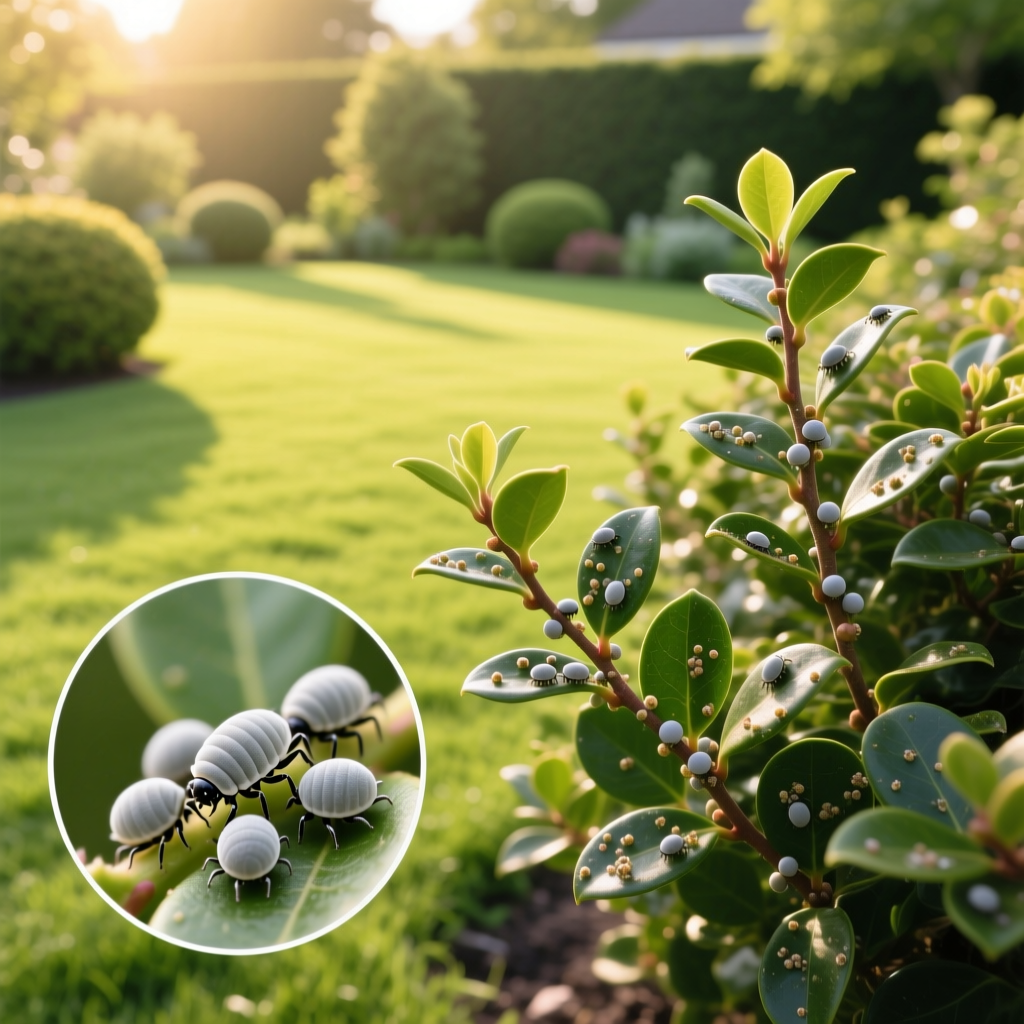
Appearance: Rose slug larvae are typically small, measuring about half an inch in length when fully grown. They are usually pale green or yellowish-green with a translucent, slimy appearance that gives them their 'slug' nickname. Some species may have a darker head capsule or subtle bristles. Because they are so small and often feed on the undersides of leaves, they can easily go unnoticed until the damage is severe.
Signs of Damage: The most telltale sign of a rose slug infestation is 'windowpaning' or 'skeletonizing.' The larvae feed on the soft tissue of the leaf between the veins, leaving the upper epidermis intact initially. This creates a translucent, window-like effect on the leaf. As the damage progresses or as the larvae mature and consume the entire leaf surface, the foliage turns brown, curls up, and looks as though it has been scorched by fire or hit by a severe drought. If left untreated, the defoliation weakens the rose bush, reducing its ability to photosynthesize, which leads to stunted growth, fewer blooms, and increased vulnerability to other diseases and pests, such as the ones detailed in our pest control archives.
Life Cycle: Understanding the sawfly life cycle is crucial for timing your natural treatments. Adult sawflies emerge in the spring to lay eggs on the edges of rose leaves. Once hatched, the larvae feed voraciously for a few weeks before dropping to the soil to pupate. Depending on your climate and the specific sawfly species (such as the bristly rose slug or the curled rose slug), there can be multiple generations per year, making ongoing vigilance and natural pest control methods a necessity throughout the growing season.
Preventing Sawfly Infestations in Your Garden
The best defense against rose slugs is a proactive offense. By creating an environment that is hostile to pests but welcoming to beneficial insects, you can drastically reduce the likelihood of a severe sawfly outbreak. Prevention is always easier, cheaper, and more environmentally friendly than treating a full-blown infestation.
Cultural Controls and Garden Hygiene: Sawflies overwinter in the soil and leaf litter beneath your rose bushes. One of the most effective preventative measures is practicing excellent garden hygiene. In the late fall and early spring, clear away fallen leaves, dead plant debris, and old mulch from the base of your roses. Dispose of this material in your municipal green waste bin rather than your home compost pile, as home compost rarely reaches the temperatures required to kill overwintering pupae. Replacing the old mulch with a fresh layer of organic compost not only disrupts the sawfly life cycle but also improves soil health, supporting the robust root systems discussed in our lawn maintenance guides.
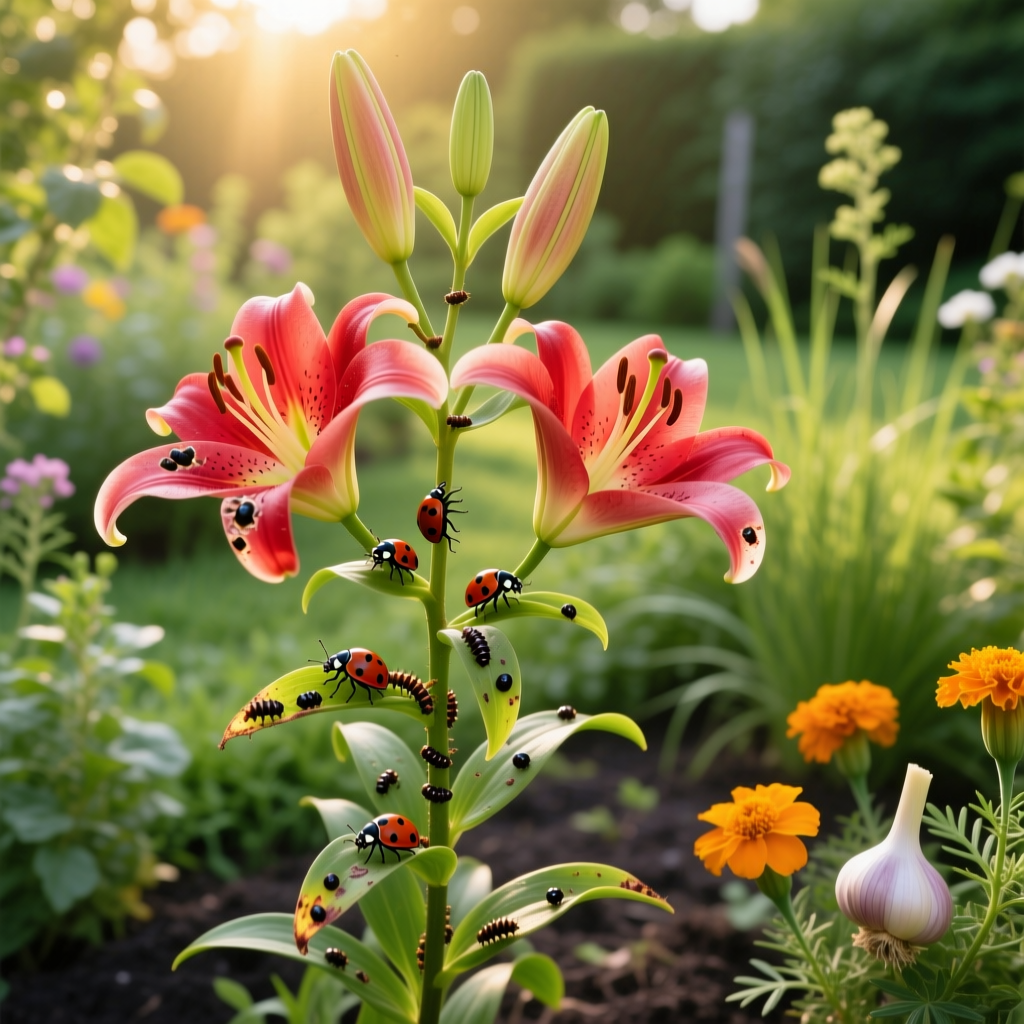
Encouraging Beneficial Insects: Nature has its own pest control agents. Predatory insects, such as ladybugs, lacewings, parasitic wasps, and ground beetles, are natural enemies of sawfly larvae. You can attract these beneficial predators by planting a diverse array of flowering herbs and companion plants near your roses. Yarrow, dill, fennel, and sweet alyssum are excellent choices. Avoid using broad-spectrum synthetic pesticides, as these will kill the beneficial insects along with the pests, ultimately leading to worse outbreaks in the future.
Proper Watering and Nutrition: A stressed plant is far more susceptible to pest damage than a healthy, vigorously growing one. Ensure your rose bushes are receiving adequate water, ideally at the base of the plant to keep the foliage dry and prevent fungal diseases like black spot. Feed your roses with a balanced, organic fertilizer to promote strong, resilient growth. Healthy leaves are naturally tougher and less appealing to the soft-mouthed larvae of the sawfly. Integrating your rose care with a holistic organic lawn care routine ensures that your entire landscape remains resilient against environmental stressors.
Routine Inspections: Make it a habit to inspect your rose bushes at least once a week during the spring and early summer. Pay close attention to the undersides of the leaves, especially on the lower branches where sawflies tend to lay their eggs first. Catching an infestation when there are only a dozen larvae is infinitely easier than dealing with thousands.
Top Natural and DIY Remedies for Rose Slugs
When preventative measures are not enough and you spot the telltale skeletonized leaves, it is time to take action. Fortunately, rose slugs are relatively soft-bodied and easy to control without resorting to toxic chemicals. Here are the most effective natural remedies for rose slug and sawfly damage on rose bushes.
1. The Water Blast Method: Because rose slug larvae are small and relatively weak, a strong jet of water is often all you need to dislodge them. Use a garden hose with a spray nozzle set to a sharp, focused stream. Spray the undersides of the leaves thoroughly in the early morning. The larvae will be knocked off into the soil, where they are unable to climb back up into the canopy before they dry out or are eaten by ground-dwelling predators. This method is completely free, entirely organic, and safe for all pollinators.
2. Insecticidal Soaps: Insecticidal soap is a staple in the organic gardener's toolkit. These soaps work by penetrating the soft outer cuticle of the sawfly larvae, causing them to dehydrate and die rapidly. You can purchase ready-to-use commercial insecticidal soaps or make a mild DIY version at home. To make your own, mix one tablespoon of pure, liquid castile soap (not heavy-duty dish detergent or degreaser) with one quart of water. Spray the solution directly onto the larvae, ensuring complete coverage of the leaf undersides. Insecticidal soap only works on contact and has no residual effect, meaning it will not harm beneficial insects that visit the plant after the spray has dried.
3. Neem Oil: Neem oil is a natural extract from the seeds of the neem tree. It acts as an insecticide, miticide, and fungicide. For rose slugs, neem oil works primarily as an antifeedant and a growth disruptor. When the larvae ingest leaves coated with neem oil, they lose their appetite and their hormonal systems are disrupted, preventing them from molting and maturing. Mix cold-pressed neem oil with water and a few drops of castile soap (to act as an emulsifier) according to the product's instructions. Apply the spray in the late evening to avoid leaf burn from the sun and to protect daytime pollinators like bees and butterflies. Neem oil is an excellent multi-purpose tool, also highly effective against other common rose pests like the ones covered in our aphid control guide.
4. Horticultural Oils: Similar to neem oil, lightweight horticultural oils (often derived from plant oils like canola or highly refined petroleum) work by smothering the soft-bodied larvae and their eggs. They are highly effective when applied directly to the pests. However, like neem oil, they must be applied carefully to avoid phytotoxicity (leaf burn). Never apply horticultural oils when temperatures exceed 85 degrees Fahrenheit or when the plant is drought-stressed.
5. Manual Removal: If you have a small number of rose bushes and a mild infestation, hand-picking is a highly effective, albeit labor-intensive, natural remedy. Put on a pair of gardening gloves, fill a bucket with soapy water, and simply pick the larvae off the leaves, dropping them into the bucket. Alternatively, you can prune off the heavily infested leaflets and drop them directly into the soapy water. This immediately removes the pests from your garden without introducing any foreign substances to the environment.
6. Diatomaceous Earth (DE): Food-grade diatomaceous earth is a fine powder made from the fossilized remains of aquatic organisms called diatoms. On a microscopic level, DE is incredibly sharp. When crawling insects or larvae come into contact with it, it cuts their exoskeleton, leading to fatal dehydration. While rose slugs spend most of their time in the canopy, they do drop to the soil to pupate, and some species crawl up the stems. Lightly dusting the base of the rose bush and the lower stems with DE can create a barrier. Keep in mind that DE loses its effectiveness when wet, so it must be reapplied after rain or heavy watering.
When to Call Professional Pest Control
While natural remedies for rose slug and sawfly damage on rose bushes are highly effective for most home gardeners, there are situations where professional intervention becomes necessary. Knowing when to escalate your pest management strategy can save your prized plants from irreversible damage.
Severe and Widespread Defoliation: If you have neglected your garden for a few weeks and return to find that your rose bushes are entirely skeletonized, the plants are under immense stress. Severe defoliation can lead to the death of the canes or the entire plant, especially if it is a young or recently transplanted rose. Professional pest control experts have access to specialized, targeted botanical treatments and application equipment that can quickly halt a massive outbreak while minimizing environmental impact.
Recurring Annual Infestations: If you find yourself battling severe sawfly infestations every single spring despite your best preventative efforts, it may indicate a deeper ecological imbalance in your soil or landscape. A professional integrated pest management (IPM) specialist can assess your property, identify overwintering sites you may have missed, and implement a long-term biological control strategy, such as the introduction of specific beneficial nematodes or predatory mites.
Integration with Broad-Scale Landscaping: For those managing large estates, commercial properties, or extensive botanical gardens, treating hundreds of rose bushes manually with a spray bottle is simply not feasible. Professional landscaping and pest control services can schedule targeted, eco-friendly treatments that align with your broader lawn care and property maintenance schedules, ensuring that your entire landscape remains pristine without compromising the local ecosystem.
If you decide to hire a professional, always seek out companies that specialize in organic or eco-friendly pest control. Ask about their specific treatment protocols for sawflies and ensure they prioritize targeted treatments over broad-spectrum synthetic sprays that could harm your soil biology and local pollinator populations.
Frequently Asked Questions
Will rose slugs kill my rose bushes?
Rose slugs rarely kill a mature, established rose bush outright, but they can cause severe aesthetic damage and significantly weaken the plant. The skeletonizing of leaves reduces the plant's ability to photosynthesize, which depletes its energy reserves. This leads to fewer blooms, stunted growth, and a higher susceptibility to secondary infections, fungal diseases, and winter dieback. Young or newly planted roses, however, can be killed if they suffer complete defoliation early in the growing season. Prompt treatment using natural remedies is essential to protect the long-term health of your plants.
Are rose slugs harmful to pets or humans?
No, rose slugs are completely harmless to humans and pets. Despite their somewhat unappealing, slimy appearance, they do not bite, sting, or carry diseases transmissible to mammals. They are strictly plant-eating insects. Furthermore, the natural remedies used to control them—such as water blasts, insecticidal soaps, and neem oil—are generally safe for use around pets and children once the application has dried. Always follow the specific safety instructions on any commercial organic product you choose to use.
How often should I apply neem oil for sawfly larvae?
Neem oil does not kill on contact like insecticidal soap; it must be ingested by the larvae to disrupt their growth and feeding. Therefore, consistency is key. During an active infestation, you should apply a neem oil spray every 7 to 14 days until the damage stops and no new larvae are visible. Always apply neem oil in the early evening or at dusk. This prevents the oil from magnifying the sun's rays and burning the delicate rose leaves, and it ensures that the spray dries before daytime pollinators like bees become active.
Can I use dish soap instead of insecticidal soap?
It is highly recommended to avoid using standard liquid dish soaps or dishwashing detergents on your rose bushes. Modern dish soaps are formulated with degreasers, synthetic surfactants, and antibacterial agents designed to strip oils from pots and pans. When applied to plants, these harsh chemicals strip away the natural protective waxy cuticle of the rose leaves, leading to severe dehydration, leaf burn, and increased vulnerability to diseases. Always use a pure, liquid castile soap or a commercially formulated insecticidal soap that is specifically tested and proven safe for horticultural use.
Do beneficial nematodes help with rose slugs?
Yes, beneficial nematodes can be a fantastic preventative tool in your integrated pest management arsenal. Specifically, Steinernema carpocapsae or Heterorhabditis bacteriophora are microscopic, soil-dwelling worms that hunt down and destroy the pupating stages of various insects, including sawflies. Because rose slug larvae drop to the soil beneath the rose bush to pupate and overwinter, applying a nematode drench to the soil in the late spring and early fall can drastically reduce the next generation's population. Nematodes are completely safe for earthworms, pets, and humans, making them an excellent addition to any natural pest control regimen.