
Landscaping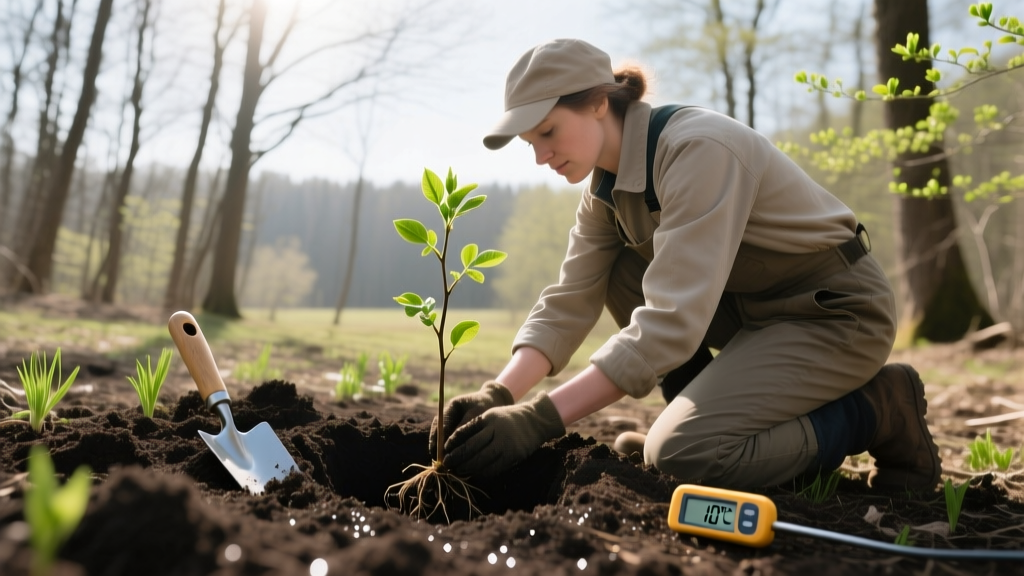
Optimal Seasonal Timing for Planting Trees and Shrubs
Sarah ChenPublished
The Science of Seasonal Timing: Roots vs. Shoots
When designing a landscape, the installation of trees and shrubs represents one of the most significant investments of time and capital. However, the success of these woody perennials relies heavily on seasonal timing. The fundamental principle of planting schedules is understanding the difference between root growth and shoot growth. According to horticultural research, tree and shrub roots actively grow when soil temperatures range between 40°F and 65°F. Conversely, top growth (shoots and leaves) requires warmer air temperatures and longer daylight hours. By aligning your planting schedule with these biological triggers, you allow the plant to establish a robust root system before it is forced to support the heavy water and nutrient demands of a full canopy.
Fall Planting: The Gold Standard for Root Establishment
For the majority of hardiness zones (Zones 4 through 8), early to mid-fall is the undisputed best time to plant trees and shrubs. During this window, the soil retains residual warmth from the summer, which stimulates rapid root expansion. Meanwhile, the cooler autumn air reduces transpiration rates, meaning the plant loses far less moisture through its leaves. This combination drastically reduces transplant shock.
Timing the Fall Window: You should aim to plant at least six weeks before the ground freezes solid. In northern climates, this means planting in September or early October. In southern climates, you can safely plant from November through December. Fall is the ideal season for planting maples, elms, spruces, pines, and most deciduous shrubs like viburnums and hydrangeas.
Spring Planting: The Alternative for Slow-Rooting Species
While fall is generally preferred, spring planting is necessary for certain species that are slow to regenerate roots or are highly susceptible to winter frost heave if not fully established. Trees such as oaks, birches, magnolias, hemlocks, and ginkgos perform significantly better when planted in early spring.
Timing the Spring Window: The goal is to plant as soon as the soil is workable and has thawed, but strictly before the buds break and leaves begin to unfurl. Once a tree pushes out spring foliage, its energy is entirely focused on top growth, leaving little reserves for root establishment. Planting container-grown or balled-and-burlapped (B&B) stock in April or early May allows the root system to sync with the natural spring growth flush.
Selecting the Right Plant Stock for Your Season
The type of nursery stock you purchase should also dictate your planting schedule:
- Bare-Root Trees and Shrubs: These must be planted in early spring while the plant is still completely dormant. Because they lack a soil matrix around their roots, they are highly vulnerable to summer heat and fall freezing.
- Balled-and-Burlapped (B&B): Best planted in early fall or early spring. The heavy root ball requires the moderate temperatures of these transitional seasons to prevent moisture stress.
- Container-Grown: These offer the most flexibility and can technically be planted from spring through early fall. However, planting in the heat of summer requires rigorous, daily irrigation to prevent the potting mix from drying out faster than the surrounding native soil.
Seasonal Planting Schedule & Species Guide
The following table outlines the optimal seasonal planting schedule based on plant type and regional climate considerations.
| Season | Soil Temp Target | Best Plant Types | Species Examples | Primary Risk Factor |
|---|---|---|---|---|
| Early Fall | 55°F - 65°F | B&B, Container | Maples, Elms, Pines, Spruce | Planting too late (frost heave) |
| Early Spring | 40°F - 50°F | Bare-Root, B&B | Oaks, Birches, Magnolias, Hemlock | Late spring frost damage |
| Summer | 70°F+ | Container Only | Tropicals, fast-growing annual shrubs | Severe transpiration and drought |
| Winter | Below 40°F | None (Dormant) | N/A | Frozen ground, root desiccation |
Step-by-Step Planting Protocol for Maximum Survival
Proper seasonal timing must be paired with correct installation techniques. According to the University of Minnesota Extension, improper planting depth is the leading cause of tree mortality in residential landscapes. Follow these actionable steps:
- Locate the Trunk Flare: Before digging, brush away the top layer of soil from the root ball to find the trunk flare (the point where the trunk widens at the base). This flare must sit 1 to 2 inches above the final grade level.
- Dig the Hole: The hole should be 2 to 3 times wider than the root ball to allow lateral root expansion, but no deeper than the root ball itself. A hole that is too deep will cause the tree to sink over time, suffocating the roots.
- Remove Nursery Materials: If planting a B&B tree, cut away the synthetic burlap and wire basket once the tree is in the hole. Leaving wire baskets restricts root growth and can girdle the trunk years later.
- Backfill with Native Soil: Avoid amending the backfill soil with heavy compost or potting mix. Experts at The Morton Arboretum emphasize that using native soil encourages roots to expand outward rather than staying confined in a rich, amended pocket. Water the backfill halfway through to eliminate air pockets.
- Apply Mulch Correctly: Apply a 2 to 3-inch layer of organic wood mulch in a 3-foot radius around the tree. Keep the mulch strictly 3 inches away from the trunk flare to prevent rot and rodent damage. Never create a "mulch volcano."
Post-Planting Watering and Aftercare Schedule
Even if you plant during the optimal fall or spring window, supplemental irrigation is mandatory for the first two growing seasons. The root ball of a newly planted tree dries out much faster than the surrounding native soil. Use the following watering schedule based on the trunk caliper (diameter measured 6 inches above the ground):
- 1-inch caliper: 10 gallons of water per week.
- 2-inch caliper: 20 gallons of water per week.
- 3-inch caliper: 30 gallons of water per week.
During the fall planting season, continue this watering schedule until the ground freezes. For spring plantings, maintain the schedule through the entirety of the first summer, adjusting for natural rainfall. A slow, deep soaking using a soaker hose or a slow-running garden hose placed at the drip line is far more effective than frequent, shallow sprinkling. By respecting the biological rhythms of woody plants and adhering to these seasonal timelines, your landscape will establish a resilient, thriving foundation for decades to come.

