Tree Care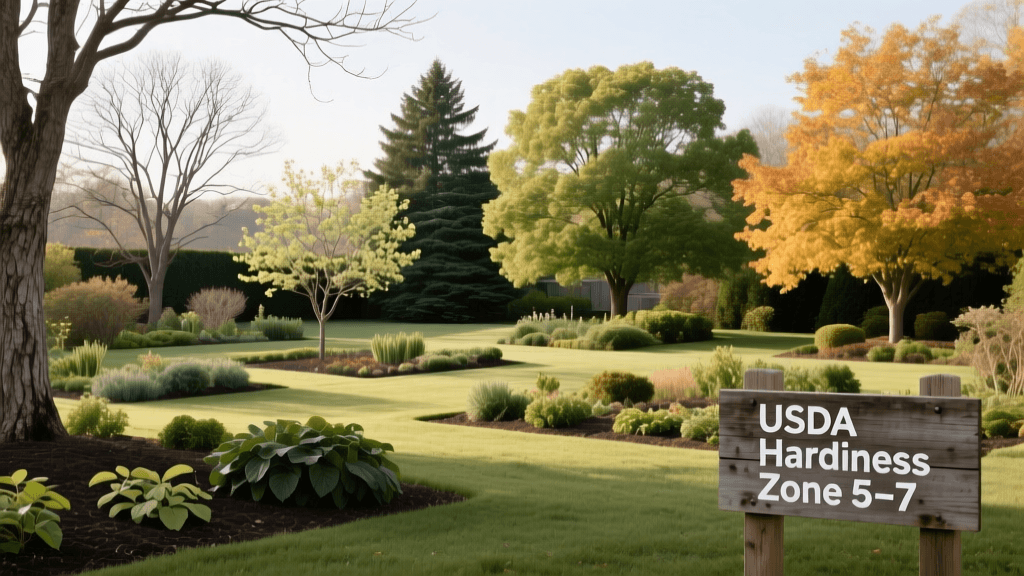
Optimal Tree Planting Schedule by Season and Hardiness Zone
Understanding Tree Dormancy and Planting Windows
Planting a tree is a significant long-term investment for your landscape, with mature specimen trees often costing anywhere from $150 to over $1,000 depending on the species and size. Protecting that investment begins with proper seasonal timing. When a tree is actively growing in the summer, it must divide its energy between supporting its existing canopy and establishing new roots. This competition often leads to severe transplant shock, stunted growth, or even mortality.
According to the Clemson University Home Garden Information Center, the optimal time to plant most trees is during their dormant season. Dormancy occurs when top growth ceases, usually triggered by shorter days and cooler temperatures. During this window, the tree can focus entirely on developing a robust root system in the surrounding soil without the immediate stress of producing leaves or flowers. However, the exact timing of this dormant window shifts dramatically depending on your specific USDA Hardiness Zone and whether you are planting deciduous or evergreen species.
Seasonal Tree Planting Calendar by USDA Zone
To maximize survival rates, homeowners and landscapers must align their planting schedules with regional climate patterns. The following data table outlines the optimal seasonal timing based on regional zones and tree types.
| USDA Zone Region | Best Season (Deciduous Trees) | Best Season (Evergreen Trees) | Target Soil Temperature |
|---|---|---|---|
| Zones 3-5 (Northern / Cold) | Early Spring (April-May) | Early Fall (Late Aug-Sept) | 50°F - 65°F |
| Zones 6-8 (Middle / Temperate) | Mid-Fall (Oct-Nov) | Early Fall (Sept-Oct) | 55°F - 70°F |
| Zones 9-11 (Southern / Warm) | Late Fall to Winter (Dec-Feb) | Winter (Dec-Jan) | 60°F - 75°F |
Fall Planting: The Gold Standard for Most Regions
For the vast majority of the United States (Zones 6 through 8), fall is universally considered the best time to plant trees. As autumn progresses, air temperatures drop, which reduces transpiration (water loss through leaves), while the soil remains warm from the summer sun. This warm soil encourages rapid root growth until the ground freezes.
Actionable Fall Planting Protocol:
- Timing: Plant deciduous trees after they have dropped their leaves and entered dormancy, typically late October through November. Use a digital soil thermometer (such as the Luster Leaf Rapitest, approx. $15) to ensure soil temperatures are still above 55°F at a 4-inch depth.
- Watering: Even though the tree is dormant, the roots need moisture. Apply 1 inch of water per week until the ground freezes. A slow-release watering bag like the Treegator (approx. $20) is highly recommended to deliver water directly to the root zone without runoff.
- Mulching: Apply a 3-inch layer of shredded hardwood mulch over the root zone to insulate the soil and retain moisture. Crucially, keep the mulch at least 3 inches away from the trunk flare to prevent rot and rodent damage.
Spring Planting: Beating the Summer Heat
In northern climates (Zones 3-5), fall planting can be risky for certain species because the ground freezes rapidly, leaving insufficient time for root establishment before winter desiccation sets in. Therefore, early spring—just as the frost leaves the ground but before buds break—is the ideal window.
Spring is also the primary season for planting bare-root trees, which are highly cost-effective ($15 to $45 per tree) and establish faster than container-grown trees because they suffer no root circling.
Actionable Spring Planting Protocol:
- Bare-Root Prep: Soak bare-root trees in a bucket of water mixed with a root stimulator or kelp extract (like SuperThrive, approx. $12) for 12 to 24 hours before planting to rehydrate the tissues.
- Balled and Burlapped (B&B): If planting heavy B&B trees ($150 to $400+), you must cut away the synthetic burlap and remove the wire basket from the top third of the root ball once the tree is positioned in the hole. Leaving wire baskets intact restricts trunk expansion and root flare development over time.
Evergreens vs. Deciduous: Timing Differences
Evergreen trees (pines, spruces, arborvitae) retain their needles year-round, meaning they continue to lose moisture through transpiration even in the winter. Because of this, evergreens require a longer establishment period before freezing temperatures arrive.
While a deciduous oak can be planted late in the fall, an evergreen should be planted at least six to eight weeks before the first hard freeze. If you must plant evergreens late in the season, apply an anti-desiccant spray like Wilt Stop or Anti-Stress (approx. $25-$40 per concentrate bottle) to the needles in late November. This organic pine resin coating seals in moisture and prevents winter burn caused by harsh, drying winds.
Step-by-Step Planting Protocol for Seasonal Success
Regardless of the season, the physical planting technique dictates the long-term health of the tree. The University of Minnesota Extension emphasizes that improper planting depth is the number one cause of premature tree death in residential landscapes.
Follow these precise measurements and steps:
- Locate the Trunk Flare: Before digging, brush away the topsoil from the root ball to find the trunk flare (the point where the trunk widens at the base and roots begin). This flare must remain visible above the final grade.
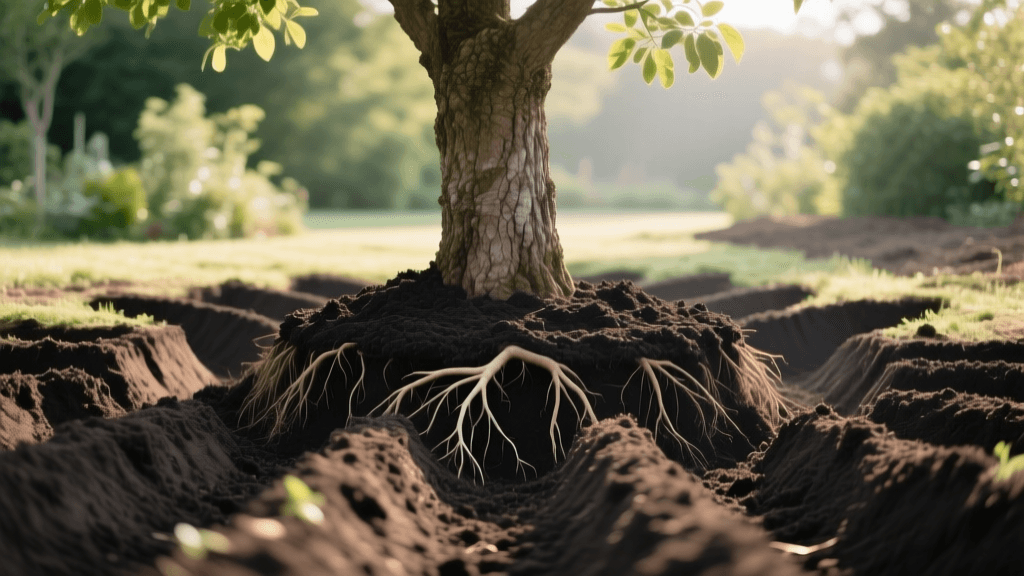
- Dig the Hole: Dig a hole that is 2 to 3 times the width of the root ball, but no deeper than the height of the root ball itself. Wide holes encourage lateral root spread, while deep holes cause the tree to sink as the backfill soil settles.
- Score the Roots: If planting a container-grown tree, use a sharp utility knife to score the root ball vertically in four places. This severs circling roots that would otherwise girdle and strangle the tree years later.
- Backfill with Native Soil:
Pro Tip: Do not amend the backfill soil with peat moss, compost, or potting mix. Amending the hole creates a 'bathtub effect' where water pools in the loose organic matter, drowning the roots. Backfill entirely with the native soil you just dug out to encourage the roots to expand into the surrounding earth.
After backfilling, water the tree deeply to eliminate air pockets. Apply a mycorrhizal fungi inoculant (such as Myke Tree and Shrub, approx. $15) to the root zone. These beneficial fungi form a symbiotic relationship with the tree roots, effectively increasing the root surface area by up to 50 times, which drastically improves water and nutrient uptake during the critical first year of establishment.
Conclusion
Mastering the seasonal timing of tree planting transforms a stressful landscaping chore into a highly successful horticultural endeavor. By respecting the natural dormancy cycles of your chosen species, aligning your schedule with your local USDA Hardiness Zone, and executing precise planting techniques, you ensure your trees will thrive, provide shade, and increase your property value for decades to come.