Tree Care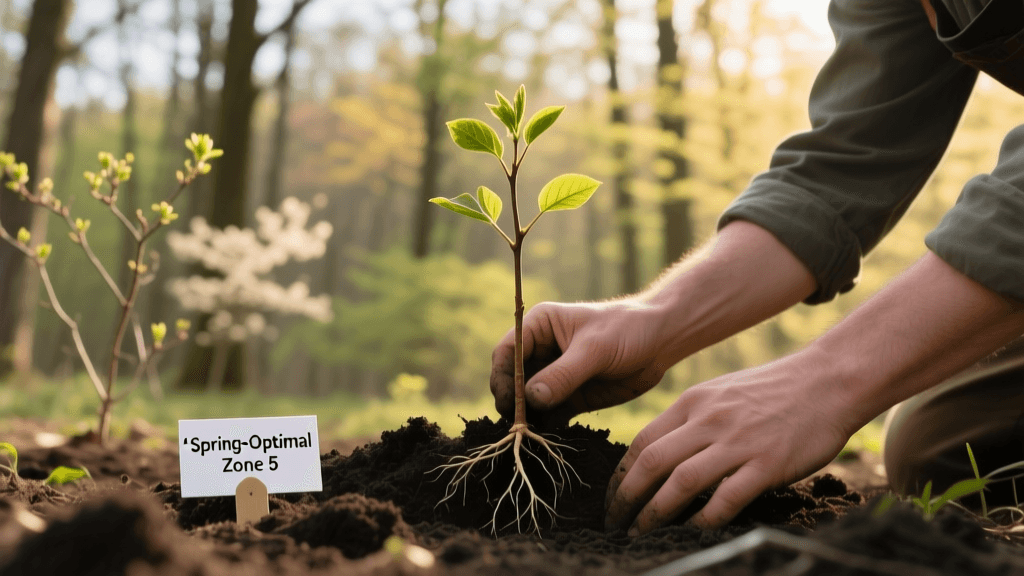
Optimal Tree Planting Schedules by Season and Climate Zone
The Critical Role of Seasonal Timing in Tree Planting
Planting a tree is a long-term investment in your landscape, providing shade, increasing property value, and supporting local ecosystems. However, the success of this investment hinges entirely on seasonal timing and planting schedules. When you place a tree into the ground, it experiences transplant shock—a period of stress where the root system struggles to establish itself in a new environment while simultaneously supporting the canopy above. By aligning your planting schedule with the natural dormancy cycles of trees and the specific climate patterns of your USDA Hardiness Zone, you can minimize this shock and dramatically increase the survival rate of your newly planted trees.
According to the University of Minnesota Extension, the primary goal of timing your planting correctly is to encourage rapid root growth before the tree is forced to expend energy on producing leaves, flowers, or fruit. Roots grow best in cool, moist soil, which is why the transitional seasons of autumn and early spring are universally favored by certified arborists over the extreme temperatures of summer and winter.
Fall vs. Spring: The Great Planting Debate
While many homeowners assume spring is the only time to plant, horticultural experts overwhelmingly recommend fall as the optimal season for most deciduous and evergreen species. During the fall, the soil retains the residual warmth of the summer months, which stimulates vigorous root development. Simultaneously, the cooling autumn air reduces the rate of transpiration (water loss through leaves), meaning the tree requires less water to sustain its canopy while it focuses its energy underground.
Spring planting is the secondary option and is strictly necessary for certain species that are vulnerable to winter damage if planted late in the year. The danger with spring planting lies in the unpredictable weather; a sudden late frost can damage emerging buds, and an early summer heatwave can desiccate a tree that has not yet established a sufficient root network. If you must plant in the spring, do so as early as possible, immediately after the ground thaws but before the buds break dormancy.
Soil Temperature Metrics for Precision Timing
While calendar dates provide a general framework, professional arborists rely on soil temperature metrics to dictate the exact day for planting. Roots begin active growth when soil temperatures consistently reach 45°F to 50°F at a depth of six inches. You can purchase a basic soil thermometer for under $15 at any garden center. If you are targeting a fall planting schedule, wait until the soil temperature drops below 70°F, which signals the tree to shift its energy allocation from canopy expansion to root storage and development. Conversely, in the spring, ensure the soil has warmed past the 45°F threshold and that the ground is no longer waterlogged from snowmelt. Planting in cold, saturated mud compacts the soil structure, destroying the macropores necessary for oxygen exchange and severely stunting the tree's first-year growth.
Regional Planting Windows by USDA Hardiness Zone
Your geographic location dictates the exact calendar weeks that constitute your optimal planting window. The table below outlines the primary and secondary planting schedules based on USDA Hardiness Zones, providing a structured guide for regional timing.
| USDA Zone | Primary Planting Window | Secondary Window | Key Considerations |
|---|---|---|---|
| Zones 3-4 (Cold) | Early Spring (April - May) | Early Fall (Late Aug - Sept) | Fall planting risks winter desiccation; spring is safer once frost leaves the soil. |
| Zones 5-7 (Moderate) | Mid-Fall (Sept - Nov) | Early Spring (March - April) | Ideal regions for fall planting. Roots establish before the deep winter freeze. |
| Zones 8-10 (Warm) | Late Fall to Winter (Nov - Feb) | Early Spring (Feb - March) | Plant during the coolest, wettest months to avoid severe summer drought stress. |
Timing by Tree Type: Bare-Root, B&B, and Container
The physical state of the tree you purchase also dictates your planting schedule. Nurseries typically sell trees in three formats, each with its own temporal requirements:
- Bare-Root Trees (BRT): These are dug up while dormant and sold without soil around the roots. They must be planted in early spring before bud break. Because they lack a soil matrix, they are highly susceptible to drying out and cannot be planted in the fall or summer.
- Balled and Burlapped (B&B): These trees are dug from the field with their root ball intact and wrapped in burlap. The Clemson University Home & Garden Information Center notes that B&B trees are best planted in the fall or early spring when the tree is dormant or semi-dormant, reducing the shock of root severance.
- Container-Grown Trees: Grown in plastic pots, these trees have a self-contained root system. They offer the most flexibility and can be planted almost any time of year, provided the ground is not frozen. However, avoiding the peak heat of July and August is still highly recommended to prevent heat stress.
Actionable Planting Steps, Measurements, and Costs
Proper execution during your chosen seasonal window is just as important as the timing itself. Follow these specific, actionable steps to ensure your tree thrives:
1. Digging the Hole
Measure the width and height of the root ball. Dig a hole that is 2 to 3 times wider than the root ball to allow lateral root expansion, but no deeper than the root ball's height. The root flare (where the trunk widens at the base) must sit slightly above the surrounding soil grade to prevent rot. Hiring a professional landscaping crew to dig and plant a large B&B tree typically costs between $150 and $350 per tree, depending on access and soil compaction.
2. Backfilling and Mulching
Backfill the hole using the native soil you just removed. Avoid amending the backfill with heavy compost or peat moss, as this can create a "bathtub effect" that traps water and rots the roots. Apply a 2 to 3-inch layer of premium hardwood or pine bark mulch in a wide "donut" shape around the base. Keep the mulch at least 3 inches away from the trunk. Premium mulch costs approximately $4 to $8 per cubic foot when bought in bulk.
3. Post-Planting Watering Schedule
Water the tree immediately after planting to eliminate air pockets. For the first two growing seasons, provide 10 gallons of water per inch of trunk caliper (measured at knee height) per week during the growing season. Use a slow-release drip hose or tree watering bag to ensure deep soil penetration.
Expert Citations and Further Reading
To ensure your seasonal timing aligns with the latest arboricultural science, consult the following authoritative resources. The Morton Arboretum provides exceptional visual guides on identifying the root flare and executing the proper planting depth, which remains critical regardless of the season you choose to plant.
"The single most common planting error is digging the hole too deep. A tree planted too deeply will suffocate and decline over a period of years, regardless of how perfectly the seasonal timing was executed." — Adapted from University Extension Arboriculture Guidelines.
By carefully selecting your planting window based on your USDA zone, tree type, and local weather patterns, you set the foundation for a robust, healthy tree that will grace your landscape for decades to come.