Gardening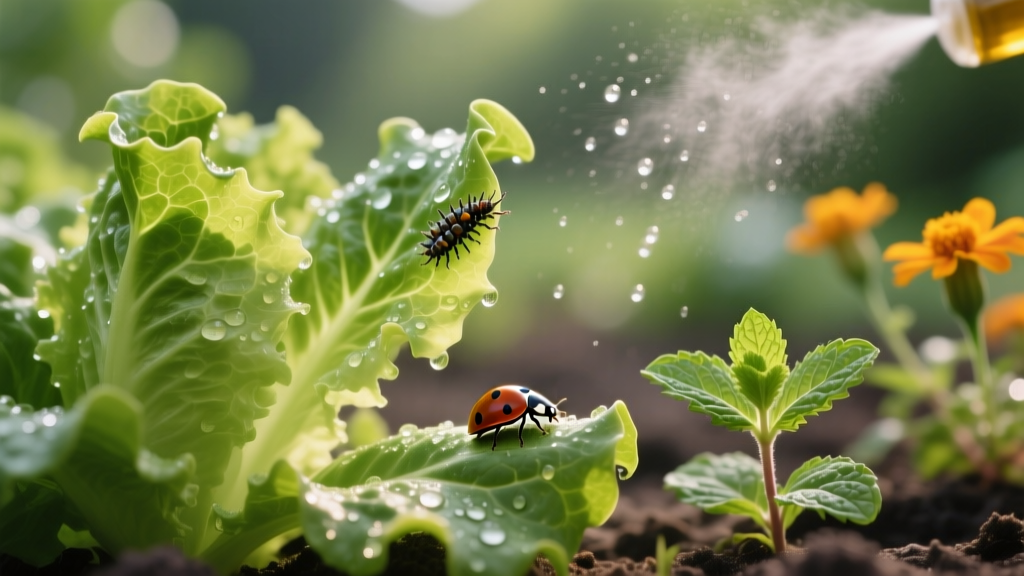
Organic Aphid Control: Natural Ways to Protect Your Garden
Sarah ChenPublished
Aphids are among the most common and frustrating pests encountered by home gardeners. These tiny, sap-sucking insects can quickly colonize the tender new growth of your prized vegetables, roses, and ornamental plants. While a few aphids might seem harmless, their rapid reproductive cycle means a minor nuisance can escalate into a full-blown infestation in a matter of days. For gardeners committed to chemical-free and organic approaches, dealing with aphids requires a strategic, multi-layered defense rather than a quick chemical fix. This comprehensive guide will walk you through the most effective, natural methods to protect your garden from aphids while maintaining a thriving, balanced ecosystem.
Understanding the Aphid Threat
Before you can defeat your enemy, you must understand it. Aphids are pear-shaped insects that come in a variety of colors, including green, black, yellow, and even pink, depending on the species and their host plant. They feed by piercing the phloem of plants and sucking out the nutrient-rich sap. This feeding weakens the plant, causes leaf curling, and stunts overall growth.
Furthermore, as aphids feed, they excrete a sticky, sugary substance known as honeydew. This honeydew not only attracts ants but also serves as a breeding ground for sooty mold, a black fungus that coats leaves and blocks sunlight, severely reducing the plant's ability to photosynthesize. According to research from the University of Minnesota Extension, the mutualistic relationship between ants and aphids is particularly problematic; ants will actually protect aphid colonies from predators in order to harvest the honeydew. Therefore, controlling ants is often a necessary secondary step in organic aphid management.
Prevention: Soil Health and Fertilization
The foundation of any successful organic garden is its soil. Aphids are highly attracted to plants that are experiencing rapid, lush, and tender new growth. This type of growth is often the result of over-fertilization, particularly with synthetic, high-nitrogen fertilizers. To prevent aphid outbreaks, abandon quick-release chemical fertilizers in favor of slow-release, organic amendments.
Incorporate high-quality compost, worm castings, and organic kelp meal into your soil before planting. These amendments provide a steady, balanced supply of nutrients that promote strong, resilient cell walls in your plants, making them naturally less palatable to sap-sucking insects. Additionally, ensure your plants are properly watered and not under drought stress, as stressed plants emit volatile organic compounds that can actually attract pest insects from afar.
Companion Planting and Trap Cropping
Strategic plant placement is a hallmark of chemical-free gardening. Companion planting involves growing specific plants near your vulnerable crops to either repel pests or lure them away.
Trap Crops
Nasturtiums are the ultimate sacrificial lamb in the garden. Aphids absolutely love them. By planting nasturtiums a short distance away from your prized vegetable beds or rose bushes, you can draw the aphids away from your main crops. Once the nasturtiums are heavily infested, you can simply pull them up and compost them in a hot pile or dispose of them.
Repellent Plants
Conversely, plants in the Allium family—such as garlic, chives, and onions—emit strong sulfur compounds that aphids find highly offensive. Interplanting garlic and chives among your leafy greens and brassicas creates an aromatic barrier that confuses and deters incoming aphid scouts.
Physical and Mechanical Controls
When you first spot a small cluster of aphids on a plant, your immediate response should be physical removal. You do not need harsh chemicals to knock down a minor population.
- Water Blasting: Use a garden hose equipped with a nozzle that provides a sharp, targeted stream of water. Spray the affected plants, paying special attention to the undersides of the leaves where aphids congregate. The physical force of the water will knock the aphids off the plant. Because aphids are weak crawlers, most will die from starvation or exposure before they can climb back up.
- Hand-Picking and Pruning: For delicate seedlings that might be damaged by a strong water stream, wear garden gloves and simply crush the aphids between your fingers. If a specific branch or leaf tip is completely curled and overrun, use sterilized pruning shears to snip off the infested section and drop it into a bucket of soapy water.
Biological Controls: Harnessing Beneficial Insects
In an organic garden, bugs are your best friends. Nature has provided a myriad of predatory and parasitic insects that view aphids as a primary food source. The Colorado State University Extension highlights several key beneficial insects that provide exceptional natural aphid control.
- Ladybugs (Lady Beetles): Both adult ladybugs and their larvae are voracious aphid predators. A single ladybug can consume up to 50 aphids a day. To attract them, plant pollen and nectar-rich flowers like dill, fennel, and yarrow.
- Green Lacewings: The larvae of the green lacewing, often called 'aphid lions,' are even more aggressive than ladybugs. They inject a digestive enzyme into the aphid and consume the liquefied contents.
- Parasitic Wasps: These tiny, non-stinging wasps lay their eggs inside aphids. The developing wasp larva consumes the aphid from the inside out, leaving behind a swollen, tan-colored 'mummy.' If you see aphid mummies in your garden, do not disturb them; they are proof that your biological controls are working.
Organic Sprays: Soaps and Oils
When physical and biological controls are not enough to curb a severe outbreak, organic sprays offer a powerful, yet environmentally safe, intervention.
Insecticidal Soaps
Insecticidal soaps are made from potassium salts of fatty acids. They work on contact by penetrating the soft outer shell of the aphid, causing cellular leakage and rapid dehydration. According to the National Pesticide Information Center, these soaps are highly effective against soft-bodied insects but have minimal impact on hard-bodied beneficial insects like adult ladybugs once the spray has dried. You can purchase commercial insecticidal soaps for about $10 to $15 per bottle, or make a DIY version by mixing one tablespoon of pure, liquid castile soap (not detergent) into one quart of water.
Neem Oil
Extracted from the seeds of the neem tree, neem oil contains azadirachtin, a compound that disrupts the hormonal systems of insects, preventing them from feeding, molting, and reproducing. Neem oil costs roughly $15 to $20 for a concentrated bottle that makes gallons of spray. Always apply neem oil and soaps in the early morning or late evening to avoid phototoxicity (leaf burn) caused by the sun reacting with the oil on wet leaves.
Comparison Chart: Organic Aphid Treatments
To help you choose the right intervention for your specific situation, refer to the comparison table below.
| Treatment | Active Ingredient | Est. Cost | Application Frequency | Best Used For |
|---|---|---|---|---|
| Water Blasting | Mechanical Force | $0 | Daily until gone | Early detection, sturdy plants |
| DIY Castile Soap Spray | Fatty Acids | $0.50 / batch | Every 3-4 days | Small, localized outbreaks |
| Commercial Insecticidal Soap | Potassium Salts of Fatty Acids | $12 - $15 | Every 5-7 days | Widespread infestations |
| Neem Oil Spray | Azadirachtin | $15 - $20 | Every 7-14 days | Severe outbreaks, fungal issues |
| Live Ladybugs | Hippodamia convergens | $15 - $30 | One-time release | Long-term garden balance |
Your Step-by-Step Organic Action Plan
When you discover an aphid infestation, follow this timeline to bring it under control without resorting to synthetic chemicals.
- Day 1 (Assessment & Physical Removal): Inspect the entire garden. Blast visible colonies with a strong stream of water. Prune away heavily curled, damaged leaves. Place ant baits (using borax and sugar) near the base of plants to disrupt ant farming.
- Day 3 (Soap Application): If aphids return, apply an insecticidal soap spray in the late evening. Ensure thorough coverage, especially on the undersides of leaves. The soap must contact the insect to work.
- Day 7 (Neem & Biologicals): For stubborn populations, switch to a neem oil spray. Additionally, release beneficial insects like green lacewing larvae or ladybugs into the garden after the sun goes down, giving them time to settle and find shelter before morning.
- Day 14 (Evaluation): Check for aphid mummies and a reduction in live pests. Continue with preventative companion planting and soil maintenance.
Organic gardening is about management and ecological balance, not total eradication. A few aphids in the garden are a sign of a healthy, living ecosystem that provides a steady food source for beneficial predators.
Conclusion
Transitioning to chemical-free aphid control requires patience, observation, and a willingness to work alongside nature. By focusing on soil health, leveraging companion planting, and utilizing physical and biological controls, you can protect your garden from aphid damage. Embrace these organic methods, and you will cultivate not just a beautiful, productive garden, but a resilient ecosystem that thrives season after season.
