Gardening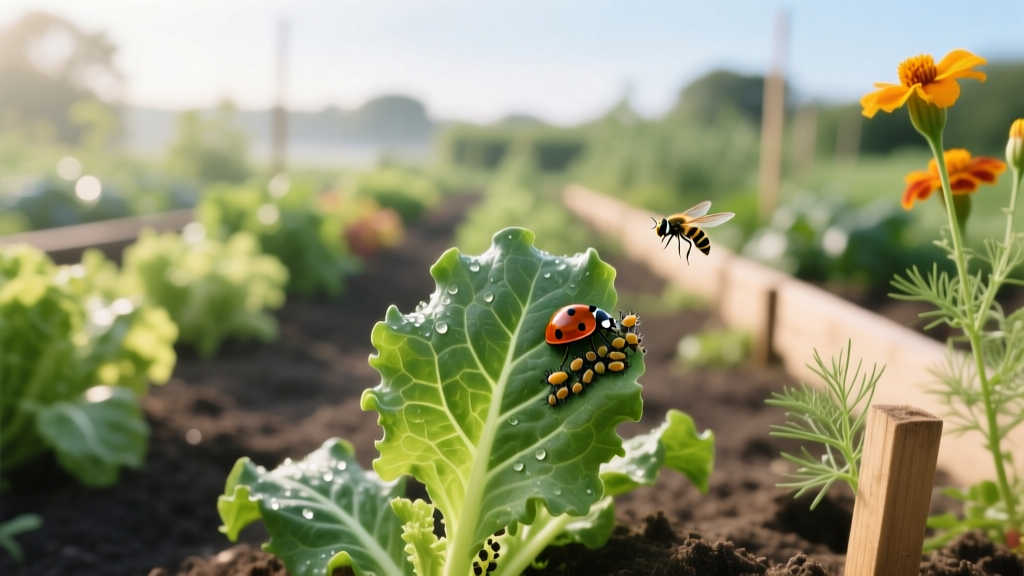
Organic Aphid Control: Natural Pest Management for Gardens
David ParkPublished
Understanding the Aphid Threat in Organic Ecosystems
Aphids are among the most common and frustrating pests encountered in vegetable and flower gardens. These small, soft-bodied insects feed by piercing plant tissues and sucking out nutrient-rich sap. While a few aphids might seem harmless, they reproduce at an astonishing rate, often giving birth to live young that are already pregnant. This rapid multiplication can lead to massive infestations that stunt plant growth, curl leaves, and severely reduce crop yields. Furthermore, as aphids feed, they excrete a sticky substance known as honeydew, which attracts ants and promotes the growth of black sooty mold, inhibiting photosynthesis. According to the University of Minnesota Extension, aphids are also notorious vectors for numerous plant viruses, making their management a critical component of any integrated pest management strategy.
For gardeners committed to chemical-free and organic approaches, broad-spectrum synthetic pesticides are not an option. These chemicals not only harm the environment but also decimate the populations of beneficial insects that naturally keep aphid numbers in check. Instead, organic aphid control relies on a holistic strategy that combines cultural practices, companion planting, biological controls, and targeted organic sprays to maintain a balanced garden ecosystem.
The Role of Soil Health and Nitrogen Management
One of the most overlooked aspects of aphid control is soil fertility management. Aphids are highly attracted to plants with high levels of soluble nitrogen, which promotes rapid, lush, and sappy new growth. This type of tender tissue is easy for their piercing mouthparts to penetrate and provides an abundant food source. Many conventional gardeners inadvertently invite aphid infestations by over-applying synthetic, fast-release nitrogen fertilizers.
To minimize aphid attraction organically, focus on building long-term soil health using slow-release organic amendments. Incorporate well-aged compost, worm castings, and organic mulches into your garden beds. These materials feed the soil microbiome and release nutrients gradually, resulting in stronger, more resilient plant cell walls that are naturally more resistant to sap-sucking insects. If you need to supplement nitrogen, opt for moderate applications of alfalfa meal or composted manure rather than high-nitrogen blood meal, especially during the peak spring aphid season.
Strategic Companion Planting for Aphid Deterrence
Companion planting is a cornerstone of organic gardening. By strategically placing certain plants near your vulnerable crops, you can either repel aphids or draw them away from your prized vegetables. This method utilizes natural plant chemistry and ecological interactions to manage pest pressures without a single drop of pesticide.
Trap cropping involves planting a highly attractive species to lure aphids away from your main crops. Nasturtiums, for example, are a magnet for aphids. By planting them a short distance away from your vegetable beds, you can concentrate the pest population in one sacrificial area, making it easier to manage or simply allowing beneficial insects to congregate there. Conversely, repellent plants emit strong volatile oils and scents that mask the aroma of your crops or actively deter aphids from settling.
| Companion Plant | Role in Garden | Best Planted Near | Mechanism of Action |
|---|---|---|---|
| Nasturtiums | Trap Crop | Tomatoes, Cabbages, Fruit Trees | Lures aphids away from primary crops; acts as a sacrificial host. |
| Garlic and Chives | Repellent | Roses, Peas, Leafy Greens | Strong sulfur compounds mask crop scents and deter feeding. |
| Marigolds | Repellent / Nematode Control | Tomatoes, Peppers, Potatoes | Root exudates and strong foliage scent repel various pests. |
| Sweet Alyssum | Beneficial Insectary | Brassicas, Lettuce, Carrots | Provides nectar for hoverflies and parasitic wasps that eat aphids. |
| Dill and Fennel | Beneficial Insectary | Cabbage, Onions, Cucumbers | Umbel flowers attract ladybugs and lacewings in their adult stages. |
Recruiting Beneficial Insects for Biological Control
Nature has its own built-in pest control system, and organic gardeners can harness it by encouraging beneficial insects. The United States Environmental Protection Agency (EPA) highlights biological pest control as a highly effective, sustainable method for managing garden pests. The most famous aphid predators are lady beetles (ladybugs), which can consume dozens of aphids per day. However, green lacewings, hoverfly larvae, and parasitic wasps are equally, if not more, effective at keeping aphid populations in check.
Rather than purchasing live ladybugs, which often fly away as soon as they are released, focus on creating a habitat that attracts native beneficial insects. Adult predatory insects require nectar and pollen to sustain themselves and reproduce. Planting a diverse array of flowering herbs and native plants—particularly those in the Apiaceae (carrot) and Asteraceae (daisy) families—provides the necessary food sources. Allow herbs like cilantro, dill, and parsley to bolt and flower. The tiny, shallow blossoms are perfectly shaped for the short mouthparts of parasitic wasps and hoverflies. Once these beneficial insects establish a presence in your garden, they will naturally seek out and eliminate aphid colonies.
Physical Removal and Mechanical Interventions
When aphid colonies first appear, swift physical intervention can prevent a minor issue from becoming a full-blown infestation. The simplest and most cost-effective method is a strong blast of water from a garden hose. Aphids have weak legs and cannot easily climb back up a plant once they are knocked off. Direct a sharp stream of water at the undersides of the leaves and the tender growing tips where aphids congregate. Do this early in the morning so the foliage has time to dry in the sun, reducing the risk of fungal diseases.
For localized, heavy infestations on terminal shoots or heavily curled leaves, pruning is highly effective. Simply snip off the infested plant tips and drop them into a bucket of soapy water to ensure the pests are destroyed. Additionally, if you notice ants farming aphids for their honeydew, you must disrupt this mutualistic relationship. Apply a sticky barrier, such as Tanglefoot, around the base of tree trunks or raised bed legs to prevent ants from climbing up and protecting the aphids from natural predators.
Formulating and Applying Organic Sprays
When cultural and biological controls are not enough to bring an aphid population under control, organic sprays offer a targeted, chemical-free solution. Insecticidal soaps and neem oil are the gold standards for organic gardeners, but they must be used correctly to be effective and safe for the broader ecosystem.
DIY Insecticidal Soap: Commercial insecticidal soaps are formulated with potassium salts of fatty acids that break down the protective waxy cuticle of soft-bodied insects, causing them to dehydrate and die. You can make a highly effective, low-cost version at home. Mix one tablespoon of pure, liquid castile soap (such as Dr. Bronner's unscented or peppermint) with one quart of water in a spray bottle. Avoid using standard dish detergents, as they contain degreasers and synthetic additives that can strip the natural protective oils from plant leaves and cause severe phytotoxicity (leaf burn). Spray the solution directly onto the aphids, ensuring thorough coverage of the leaf undersides. The soap only works on contact, so it must physically touch the pest to be effective.
Neem Oil Applications: Neem oil, extracted from the seeds of the neem tree, acts as both a contact insecticide and an antifeedant. According to the National Pesticide Information Center, the active compound, azadirachtin, disrupts the life cycle of insects at all stages, preventing them from feeding, molting, and reproducing. To use neem oil, purchase a cold-pressed, unclarified variety for maximum efficacy. Mix one teaspoon of pure neem oil and one-half teaspoon of liquid castile soap (as an emulsifier) into one quart of warm water. Shake vigorously and apply to the affected plants. Always apply neem oil and insecticidal soaps in the early evening or late afternoon. Spraying during the heat of the day or in direct sunlight will cause the oils and soaps to burn the plant foliage. Furthermore, evening application ensures that you do not inadvertently spray foraging bees and butterflies, as these organic sprays can be harmful to beneficial insects if applied directly to them while they are active.
Seasonal Cleanup and Overwintering Prevention
Aphids often overwinter as eggs laid on the bark of fruit trees, rose canes, and perennial weeds. To reduce the baseline population of aphids in your garden the following spring, practice diligent seasonal cleanup. In late autumn, remove and destroy all heavily infested plant debris, fallen leaves, and spent annual crops. Do not add heavily diseased or pest-ridden plant material to your home compost pile unless you are certain your compost system reaches and maintains temperatures high enough to kill overwintering eggs. For fruit trees and dormant roses, applying a dormant horticultural oil spray in late winter will smother overwintering aphid eggs before they have the chance to hatch, providing a clean slate for the upcoming growing season.
Conclusion
Managing aphids without synthetic chemicals requires patience, observation, and a willingness to embrace a slightly imperfect garden. A few aphids are not a sign of failure; they are an essential food source for the beneficial insects that keep your garden's ecosystem in balance. By prioritizing soil health, utilizing strategic companion planting, fostering habitats for natural predators, and deploying targeted organic sprays only when necessary, you can protect your harvest while maintaining a thriving, biodiverse, and chemical-free garden environment.
