Gardening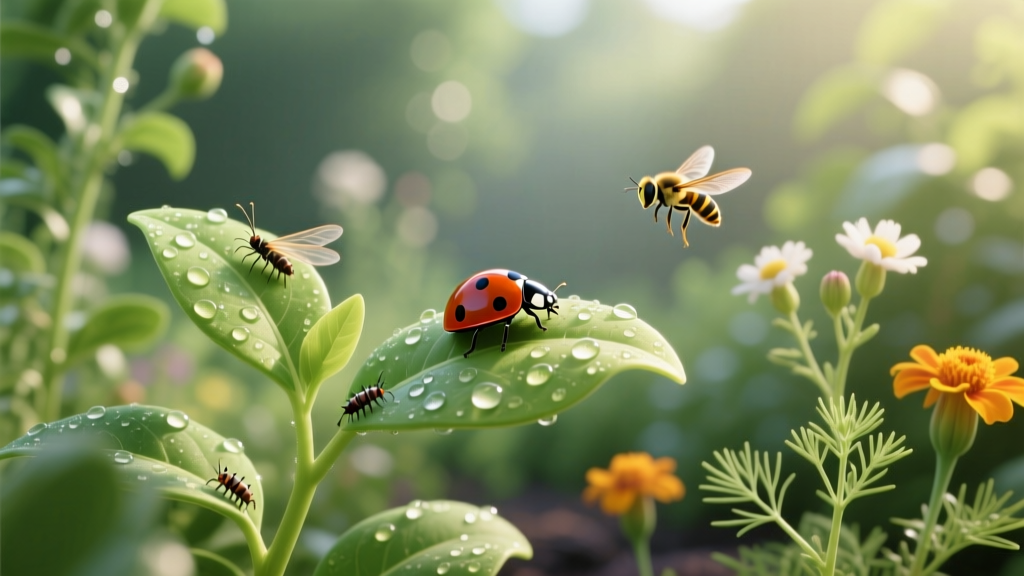
Organic Aphid Control: Natural Predators & Homemade Sprays
Sarah ChenPublished
Understanding the Aphid Threat in Organic Gardens
Aphids are among the most common and frustrating pests encountered by home gardeners. These tiny, soft-bodied insects belong to the superfamily Aphidoidea and feed by piercing plant tissues and sucking out vital, nutrient-rich sap. While a few aphids might not cause immediate harm, their ability to reproduce rapidly through parthenogenesis (giving birth to live clones without mating) means a small infestation can explode into a massive colony in a matter of days. As they feed, aphids excrete a sticky substance known as honeydew, which not only attracts ants but also serves as a breeding ground for sooty mold, a black fungus that blocks sunlight and hinders photosynthesis.
For gardeners committed to chemical-free and organic approaches, reaching for synthetic pesticides is never the answer. Broad-spectrum chemical insecticides decimate beneficial insect populations, disrupt local ecosystems, and leave toxic residues on edible crops. Instead, organic aphid management relies on a holistic strategy that integrates biological controls, strategic companion planting, physical barriers, and targeted homemade sprays. By working with nature rather than against it, you can maintain a thriving, balanced garden ecosystem.
Monitoring and Scouting: The First Line of Defense
Effective organic pest management begins with vigilant monitoring. Aphids typically colonize the tender new growth, the undersides of leaves, and the joints of stems. Make it a habit to scout your garden at least twice a week during the spring and early summer when aphid populations naturally surge.
- Visual Inspection: Look for curled, distorted, or yellowing leaves. Unfurl curled leaves gently to check for hidden colonies.
- Sticky Traps: Place yellow sticky cards near susceptible crops like brassicas and tomatoes. While these won't control a severe infestation, they serve as an excellent early warning system to detect winged aphids migrating into your garden.
- Ant Activity: Ants and aphids share a mutualistic relationship. Ants protect aphids from predators in exchange for harvesting their sugary honeydew. If you see a trail of ants marching up a plant stem, you will almost certainly find an aphid colony at the top.
The Role of Natural Predators in Biological Control
Biological control is the cornerstone of organic pest management. According to the United States Environmental Protection Agency (EPA), utilizing natural enemies like predators, parasitoids, and pathogens is a highly effective way to manage pest populations without the environmental drawbacks of synthetic chemicals. In a healthy, diverse garden, nature provides an army of aphid-eating insects.
Key Beneficial Insects
- Ladybugs (Coccinellidae): Both adult ladybugs and their alligator-like larvae are voracious aphid predators. A single ladybug can consume up to 50 aphids a day.
- Green Lacewings (Chrysoperla spp.): The larvae of green lacewings are often called "aphid lions" due to their insatiable appetite, capable of eating hundreds of aphids during their developmental stage.
- Hoverflies (Syrphidae): Adult hoverflies mimic bees and wasps but are harmless pollinators. Their larvae, however, are aggressive aphid hunters that camouflage themselves among the colonies.
- Parasitic Wasps (Aphidiinae): These tiny, non-stinging wasps lay their eggs inside aphids. The developing wasp larvae consume the aphid from the inside out, leaving behind a swollen, tan "mummy" shell.
To attract and retain these beneficial insects, avoid using broad-spectrum organic sprays (like pyrethrin) whenever possible, and plant a diverse array of nectar and pollen-rich flowers such as sweet alyssum, dill, fennel, yarrow, and cosmos.
Companion Planting to Repel and Trap Aphids
Companion planting is a time-tested organic strategy that uses plant biodiversity to confuse, repel, or trap pests. According to guidance from The Old Farmer's Almanac, certain plants emit strong volatile oils that mask the scent of your prized crops, making it difficult for winged aphids to locate their preferred hosts.
Repellent Plants
Interplanting strong-smelling alliums throughout your vegetable beds can significantly deter aphids. Garlic, chives, onions, and leeks release sulfur compounds that aphids find highly offensive. Additionally, planting aromatic herbs like catnip, rosemary, and peppermint near susceptible crops like roses and peppers can create a scent barrier that disrupts aphid foraging.
Trap Cropping
Trap crops are sacrificial plants grown specifically to lure pests away from your main harvest. Nasturtiums are the ultimate aphid trap crop. Aphids absolutely love nasturtiums and will flock to them, ignoring your tomatoes and cabbages. Plant nasturtiums a few feet away from your primary garden beds. Once the nasturtiums are heavily infested, you can simply pull them up and compost them in a hot compost pile, effectively removing thousands of aphids from your garden ecosystem.
Disrupting the Ant-Aphid Mutualism
You cannot effectively control aphids organically if ants are actively defending them. To break this cycle, you must block the ants from accessing the plant canopy. Apply a sticky barrier product, such as Tanglefoot, around the base of tree trunks or the stakes supporting your plants. For smaller garden beds, creating a moat of food-grade Diatomaceous Earth (DE) around the base of the plants will deter ants. Note that DE must be reapplied after rain or heavy watering, as it only works when dry.
Effective Homemade Organic Sprays
When natural predators and companion planting are not enough to keep a sudden aphid explosion in check, organic sprays offer a targeted, chemical-free solution. It is crucial to apply these sprays in the early morning or late evening to prevent leaf burn from the sun and to minimize contact with active pollinators like bees.
1. Castile Soap Spray (Insecticidal Soap)
Insecticidal soaps work by breaking down the protective waxy cuticle of the aphid's exoskeleton, causing them to dehydrate and die. Mix 1 tablespoon of pure, liquid Castile soap (such as Dr. Bronner's unscented or peppermint) with 1 quart of lukewarm water. Shake well and spray directly onto the aphids, ensuring you thoroughly coat the undersides of the leaves. The soap must make direct contact with the pest to be effective; it has no residual activity once it dries.
2. Neem Oil Emulsion
Neem oil, extracted from the seeds of the neem tree, acts as both a contact insecticide and a systemic growth disruptor. It contains azadirachtin, which interferes with the aphid's hormonal system, preventing them from molting and reproducing. Mix 1 to 2 tablespoons of cold-pressed, 100% pure neem oil and 1 teaspoon of liquid Castile soap (to act as an emulsifier) into 1 gallon of water. Spray every 7 to 14 days during severe infestations.
3. Garlic and Chili Pepper Spray
This potent homemade concoction acts as a powerful repellent. Blend two full heads of garlic and two hot chili peppers (like habanero or jalapeño) with two cups of water. Strain the mixture through a cheesecloth to remove solid particles that could clog your sprayer, then dilute the liquid with 1 gallon of water and a few drops of dish soap to help it adhere to the foliage.
Organic Spray Comparison Chart
| Spray Type | Active Ingredient | Mode of Action | Application Rate | Reapplication Frequency |
|---|---|---|---|---|
| Castile Soap Spray | Potassium salts of fatty acids | Destroys cell membranes causing dehydration | 1 Tbsp soap per 1 Quart water | Every 3-5 days until controlled |
| Neem Oil Emulsion | Azadirachtin | Hormone disruption, anti-feedant | 2 Tbsp neem + 1 tsp soap per 1 Gallon | Every 7-14 days |
| Garlic/Chili Spray | Capsaicin, Allicin | Sensory repellent, irritant | 2 heads garlic + 2 peppers per 1 Gallon | After rain or every 5-7 days |
Cultural Practices for Long-Term Prevention
Preventing aphids from establishing in the first place is always easier than eradicating them. The Royal Horticultural Society (RHS) emphasizes that plant health and vigor are critical to resisting severe pest damage. Aphids are highly attracted to plants with high levels of soluble nitrogen in their tissues, which results in soft, succulent, and rapid new growth.
- Avoid Excess Nitrogen: Stop using synthetic, high-nitrogen liquid fertilizers. Instead, build your soil with slow-release organic matter like well-aged compost, worm castings, and organic mulches. This provides a steady, balanced nutrient supply that promotes strong cell walls, making it harder for aphids to pierce the plant tissue.
- The Water Blast Method: For minor, localized infestations on sturdy plants like roses or young fruit trees, a strong jet of water from a garden hose is often enough to knock aphids off the foliage. Once dislodged, aphids are generally unable to climb back up the plant before they perish or are eaten by ground-dwelling predators.
- Pruning and Airflow: Remove heavily infested or damaged plant parts and dispose of them in the trash, not the compost pile. Thinning out dense plant canopies improves air circulation, which reduces the humidity that aphids thrive in and makes the environment less hospitable for sooty mold development.
Conclusion
Managing aphids organically requires a shift in perspective. Rather than viewing your garden as a sterile environment that must be eradicated of all insects, embrace it as a complex web of life. By fostering natural predators, utilizing strategic companion planting, and deploying targeted homemade sprays only when necessary, you can keep aphid populations below damaging thresholds. This chemical-free approach not only protects your vegetable and flower harvests but also ensures a safe, thriving habitat for pollinators, beneficial insects, and your family.
