Gardening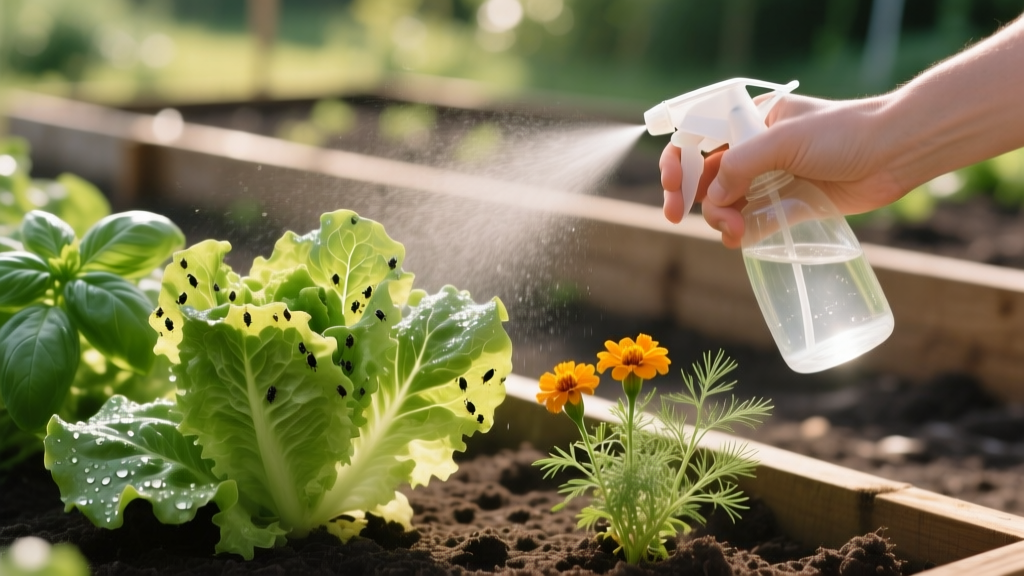
Organic Aphid Control: Natural Sprays & Companion Plants
Anna KowalskiPublished
The Hidden Cost of Chemical Pesticides
When aphids descend upon your prized heirloom tomatoes, crisp lettuce, or delicate flowering perennials, the immediate instinct is often to reach for a broad-spectrum chemical pesticide. However, these synthetic interventions come with a hidden ecological cost. Chemical sprays do not discriminate; they obliterate the beneficial predatory insects that naturally keep aphid populations in check, leading to a destructive cycle of dependency and secondary pest outbreaks. Furthermore, synthetic residues can linger in your soil and on your edible crops, undermining the very reason you chose to grow your own food in the first place. Embracing a chemical-free, organic approach is not merely a philosophical stance—it is a highly effective, science-backed strategy for long-term garden health. By understanding aphid biology and leveraging natural deterrents, you can protect your yields while fostering a thriving, biodiverse ecosystem right in your backyard.
Identifying Aphid Damage Early
Aphids are small, soft-bodied insects that feed by sucking the nutrient-rich sap from plant tissues. According to the University of Minnesota Extension, aphids can reproduce at an astonishing rate, with some species capable of giving birth to live young without mating during the spring and summer months. A single female can produce dozens of offspring in a matter of days, meaning a minor nuisance can escalate into a full-blown infestation within a week.
Early detection is your strongest organic defense. Inspect the undersides of leaves and the tender new growth at the tips of your plants. Look for clustering colonies of green, black, red, or yellow pear-shaped insects. Other telltale signs include the curling or yellowing of leaves, stunted shoot growth, and the presence of 'honeydew'—a sticky, sugary substance excreted by the aphids. This honeydew not only attracts nuisance ants, which actually 'farm' the aphids for their secretions, but it also serves as a breeding ground for sooty mold, a black fungus that blocks sunlight and impairs photosynthesis.
The Science and Recipe of DIY Organic Insecticidal Soap
One of the most effective, immediate-kill organic treatments for aphids is insecticidal soap. Unlike synthetic neurotoxins, soap works through a simple physical mechanism. The fatty acids in the soap disrupt the cell membranes of the soft-bodied aphids, causing them to dehydrate and die on contact. Because it acts physically rather than chemically, aphids cannot develop a genetic resistance to it.
The Ultimate DIY Soap Spray Recipe
Commercial insecticidal soaps can cost upwards of $12 to $15 per bottle. You can create a highly effective alternative at home for pennies on the dollar using ingredients you likely already have.
- Ingredients: 1 tablespoon of pure, liquid Castile soap (such as Dr. Bronner's Peppermint or Baby Unscented), 1 quart of filtered or distilled water, and 1 teaspoon of cold-pressed neem oil (optional, for added residual protection).
- Preparation: Mix the water and Castile soap gently in a spray bottle to avoid excessive sudsing. If adding neem oil, shake vigorously before each use, as the oil and water will naturally separate.
- Application Timing: Always apply your soap spray in the early evening or at dusk. Spraying in the heat of the midday sun can cause the liquid to magnify the light and burn your plant's foliage. Furthermore, evening application ensures you avoid spraying active pollinators like bees and butterflies.
- Treatment Schedule: Soap only kills on direct contact. You must thoroughly coat the undersides of the leaves where aphids hide. Reapply every three to five days for two weeks to catch newly hatched nymphs.
Strategic Companion Planting for Aphid Deterrence
While soap sprays are excellent for knocking down an active infestation, companion planting is your proactive, long-term strategy. By intercropping specific plants, you can create an environment that is inherently hostile to aphids while simultaneously inviting their natural predators. The Old Farmer's Almanac highlights that strong-smelling herbs and alliums can effectively mask the scent of your vulnerable crops, confusing foraging aphids.
| Companion Plant Category | Specific Plant Examples | Mechanism of Action |
|---|---|---|
| Aromatic Repellents | Garlic, Chives, Onions, Catnip, Rosemary | Emits strong volatile oils that mask the scent of host plants and deter aphid landing. |
| Trap Crops | Nasturtiums, Mustard Greens, Sunflowers | Act as a sacrificial decoy. Aphids prefer these and will flock to them, drawing them away from your primary vegetables. |
| Predator Attractors | Yarrow, Dill, Fennel, Sweet Alyssum, Cosmos | Provides nectar, pollen, and shelter for beneficial insects like ladybugs, hoverflies, and parasitic wasps. |
Pro Tip: Plant nasturtiums near your fruit trees or prized tomatoes. Once the nasturtiums are heavily covered in aphids, pull them up by the roots and compost them in a hot compost pile to remove the pest population entirely from your garden.
Harnessing the Power of Beneficial Insects
In a truly organic garden, you want to cultivate an army of natural predators. Conservation biocontrol is the practice of modifying the environment to protect and enhance these beneficial species. According to The Xerces Society, reducing broad-spectrum pesticide use and providing diverse floral resources are the two most critical steps in establishing a resident population of predatory insects.
Key Aphid Predators to Encourage
- Ladybugs (Hippodamia convergens): Both the adults and their larvae are voracious aphid eaters. A single ladybug can consume up to 50 aphids a day. You can purchase live ladybugs from garden centers (roughly $15 for 1,500 beetles). To prevent them from flying away immediately, mist your garden plants with water and release the beetles at dusk, as they are less likely to disperse in the dark.
- Green Lacewings: Often called 'aphid lions,' the larvae of the green lacewing are even more aggressive predators than ladybugs. They use specialized jaws to inject digestive enzymes into the aphids. Purchasing lacewing eggs and releasing them near aphid hotspots is a highly effective biological control method.
- Parasitic Wasps (Aphidius colemani): These microscopic, non-stinging wasps lay their eggs inside the aphids. The developing wasp larva consumes the aphid from the inside out, leaving behind a swollen, tan 'mummy.' If you see aphid mummies on your plants, do not remove them; the next generation of wasps is about to hatch and continue the pest control cycle.
A Seasonal Action Plan for Organic Aphid Management
Managing aphids organically requires a shift from reactive panic to proactive planning. Here is a seasonal roadmap to keep your garden resilient.
Spring: Prevention and Early Detection
As soon as the soil thaws, apply a dormant horticultural oil spray to fruit trees and woody perennials to smother overwintering aphid eggs. When planting your spring vegetables, utilize floating row covers to physically block winged aphids from reaching your young seedlings. Begin weekly inspections of new, tender growth.
Summer: Mechanical and Biological Control
During the peak growing season, aphid populations will naturally surge. For minor infestations on sturdy plants, a sharp blast of water from your garden hose is often enough to knock aphids off the foliage; they are poor climbers and usually cannot find their way back up the stem. Release your purchased beneficial insects and ensure your companion plants are blooming to provide them with continuous nectar.
Autumn: Sanitation and Soil Health
As the season winds down, aphids will lay their overwintering eggs on woody stems and garden debris. Rigorously clear away spent vegetable crops, fallen leaves, and pulled weeds. Do not compost heavily infested plant material unless you are certain your compost pile reaches temperatures high enough (above 140°F) to destroy the eggs. Finally, enrich your soil with organic compost; aphids are highly attracted to plants with excessive nitrogen levels, so avoiding high-nitrogen synthetic fertilizers and focusing on slow-release organic soil amendments will make your plants naturally less appetizing to them.
By combining the immediate knockdown power of DIY soap sprays with the long-term ecological balance of companion planting and beneficial insects, you can completely eliminate the need for toxic chemicals. Your garden will not only produce a bountiful, safe harvest, but it will also become a vibrant sanctuary for local wildlife and essential pollinators.
