Gardening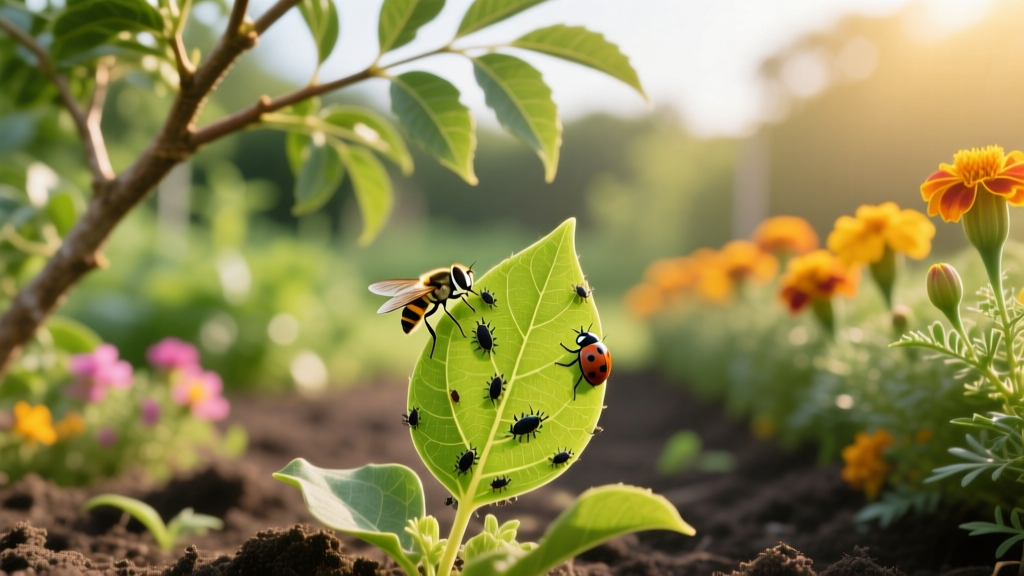
Organic Aphid Control: Chemical-Free Garden Strategies
Mike RodriguezPublished
Aphids, often referred to as plant lice, are among the most ubiquitous and frustrating pests encountered in the home garden. These tiny, soft-bodied insects feed on the phloem sap of plants, causing stunted growth, curled leaves, and the transmission of devastating plant viruses. For gardeners committed to chemical-free and organic approaches, managing aphid populations requires a shift away from broad-spectrum synthetic pesticides. Instead, success relies on a holistic Integrated Pest Management (IPM) strategy that emphasizes biological controls, cultural practices, and targeted organic treatments. By understanding the ecology of your garden, you can effectively manage aphids while preserving the health of your soil, your plants, and local pollinator populations.
Understanding the Aphid Life Cycle and Damage
To effectively control aphids organically, it is crucial to understand their biology. Aphids are renowned for their rapid reproductive rates. During the spring and summer, many aphid species reproduce parthenogenetically, meaning females give birth to live, pregnant clones without the need for mating. A single female can produce up to 12 offspring per day, leading to explosive population growth in a matter of weeks. As colonies become overcrowded or host plant quality declines, winged aphids are produced to migrate to new plants.
The damage caused by aphids extends beyond the immediate loss of sap. As they feed, aphids excrete a sticky, sugar-rich substance known as honeydew. This honeydew coats leaves and stems, providing an ideal breeding ground for sooty mold, a black fungus that blocks sunlight and inhibits photosynthesis. Furthermore, aphids are notorious vectors for plant viruses, such as the Cucumber Mosaic Virus and Potato Virus Y, which can decimate entire crops. Because of their role in disease transmission, early detection and organic intervention are paramount.
First Line of Defense: Monitoring and Scouting
Organic pest management begins with vigilant monitoring. Aphids typically congregate on the tender new growth, shoot tips, and the undersides of leaves. Make it a habit to inspect your garden at least twice a week during the peak growing season. Using a 10x jeweler's loupe can help you spot early infestations before they become visible to the naked eye. Look for signs of distorted foliage, yellowing leaves, and the presence of cast skins, which aphids shed as they grow. Early detection allows you to employ mechanical controls before the colony reaches a critical mass, significantly reducing the need for spray applications later in the season.
Cultural and Mechanical Controls
When an infestation is localized, mechanical controls are highly effective and completely chemical-free. The simplest method is a strong blast of water from a garden hose. Aphids have weak legs and poor climbing abilities; knocking them off the plant with a targeted stream of water often results in their death, as they cannot find their way back to the host plant before starving or being eaten by ground-dwelling predators. This method is particularly useful for sturdy plants like roses, brassicas, and tomatoes.
For more delicate plants, or when water blasting is insufficient, manual removal is an option. Wearing gardening gloves, you can pinch off heavily infested shoot tips and drop them into a bucket of soapy water. Additionally, utilizing reflective mulches, such as aluminum foil or specialized silver reflective plastic, can deter winged aphids from landing on your crops. The reflected UV light disorients the flying insects, making it difficult for them to locate their target plants. According to the University of California Agriculture and Natural Resources, reflective mulches are particularly effective in delaying aphid colonization in vegetable gardens during the early growing season.
Biological Controls: Recruiting Beneficial Insects
Nature provides an army of natural enemies that feed exclusively on aphids. The most famous of these is the convergent lady beetle (Hippodamia convergens), whose larvae can consume dozens of aphids per day. However, ladybugs are not the only heroes; green lacewings, hoverfly larvae, and minute pirate bugs are also voracious aphid predators. Parasitic wasps, such as Aphidius colemani, lay their eggs inside aphids, eventually killing the host and leaving behind a characteristic swollen, tan-colored 'mummy'.
Rather than purchasing and releasing commercially bred ladybugs—which often fly away as soon as they are released—focus on attracting native beneficial insects to your garden. You can achieve this by planting a diverse array of nectar and pollen-rich flowers. Plants in the Apiaceae family (such as dill, fennel, and cilantro) and the Asteraceae family (such as yarrow and cosmos) provide the tiny, shallow flowers that adult parasitic wasps and hoverflies require for sustenance. By maintaining a continuous bloom throughout the growing season, you create a permanent habitat for these biological control agents.
Managing Ants: The Aphid's Bodyguards
An often-overlooked aspect of organic aphid control is ant management. Many species of ants 'farm' aphids, protecting them from natural predators in exchange for the sugary honeydew they produce. If you see ants marching up and down the stems of your infested plants, they are actively driving away ladybugs and lacewings. To break this symbiotic relationship, apply a sticky barrier, such as Tanglefoot, around the base of trees and shrubs. For garden beds, controlling ant mounds with organic baits or diatomaceous earth can remove the aphids' primary defense system, allowing beneficial insects to do their job effectively.
Organic Sprays and Treatments
When mechanical and biological controls are not enough to bring an aphid population below the economic injury level, organic sprays become necessary. It is vital to choose products that target soft-bodied insects while minimizing harm to pollinators and beneficial insects. Always apply sprays in the early morning or late evening when bees are not actively foraging, and ensure thorough coverage of the undersides of the leaves where aphids hide.
The University of Minnesota Extension notes that insecticidal soaps and horticultural oils are among the most effective and environmentally safe options for home gardeners. Below is a comparison chart of the most common organic aphid treatments, including specific application rates and cost estimates.
| Treatment Type | Active Ingredient | Application Rate | Target Stage | Estimated Cost |
|---|---|---|---|---|
| Insecticidal Soap | Potassium salts of fatty acids | 2.5 tbsp per gallon of water | Soft-bodied nymphs and adults | $10 / 32oz RTU |
| Neem Oil | Azadirachtin (Cold-pressed) | 1-2 tbsp per gallon of water | Nymphs, adults, and eggs | $18 / 16oz concentrate |
| Horticultural Oil | Petroleum or plant-based oils | 2-5 tbsp per gallon of water | Overwintering eggs and crawlers | $12 / 32oz concentrate |
| Botanical Insecticide | Pyrethrins (derived from chrysanthemums) | As directed on label (varies) | Adults and nymphs on contact | $15 / 16oz spray |
A Note on Neem Oil: For the best results, purchase 100% cold-pressed neem oil rather than clarified hydrophobic extract. Cold-pressed neem contains azadirachtin, a compound that acts as an insect growth regulator and antifeedant, disrupting the aphid's hormonal system and preventing molting. Mix it with a few drops of mild liquid castile soap to emulsify the oil into the water before spraying.
Companion Planting for Aphid Deterrence
Strategic companion planting can serve as both a deterrent and a trap for aphids. Trap cropping involves planting a highly attractive species near your prized crops to lure aphids away. Nasturtiums are a classic trap crop; aphids prefer them over almost all vegetable crops. Once the nasturtiums are heavily infested, you can pull them up and compost them in a hot pile, removing the aphids from the garden entirely.
Conversely, repellent companion plants can mask the scent of your crops or emit volatile compounds that aphids find offensive. Members of the Allium family, including garlic, chives, and ornamental onions, are excellent for interplanting among roses, tomatoes, and brassicas. Marigolds and catnip also emit strong scents that can confuse flying aphids looking for a place to land and establish a colony.
Soil Health and Plant Immunity
Finally, organic aphid control starts beneath the soil surface. Plants grown in biologically active, well-balanced soil are naturally more resistant to pest attacks. A common mistake among home gardeners is the over-application of high-nitrogen synthetic fertilizers. Excess nitrogen promotes rapid, lush, soft vegetative growth—the exact type of tissue that aphids prefer to feed on. Instead, build your soil with high-quality compost and use slow-release, organic fertilizers like kelp meal, alfalfa meal, or worm castings. These amendments provide a steady stream of micronutrients and promote thick, robust cell walls that are physically harder for aphid mouthparts to penetrate. By fostering deep plant immunity through organic soil stewardship, you create a garden ecosystem that is inherently resilient to aphid outbreaks.
Conclusion
Managing aphids without synthetic chemicals is not about achieving total eradication; it is about maintaining a balanced ecosystem where pest populations remain below damaging thresholds. By combining vigilant scouting, mechanical disruption, the conservation of beneficial insects, and the judicious use of organic sprays like neem oil and insecticidal soap, you can protect your harvest. Embracing these chemical-free strategies ensures that your garden remains a safe, thriving haven for your plants, local wildlife, and the vital pollinators that sustain our food systems.
