Gardening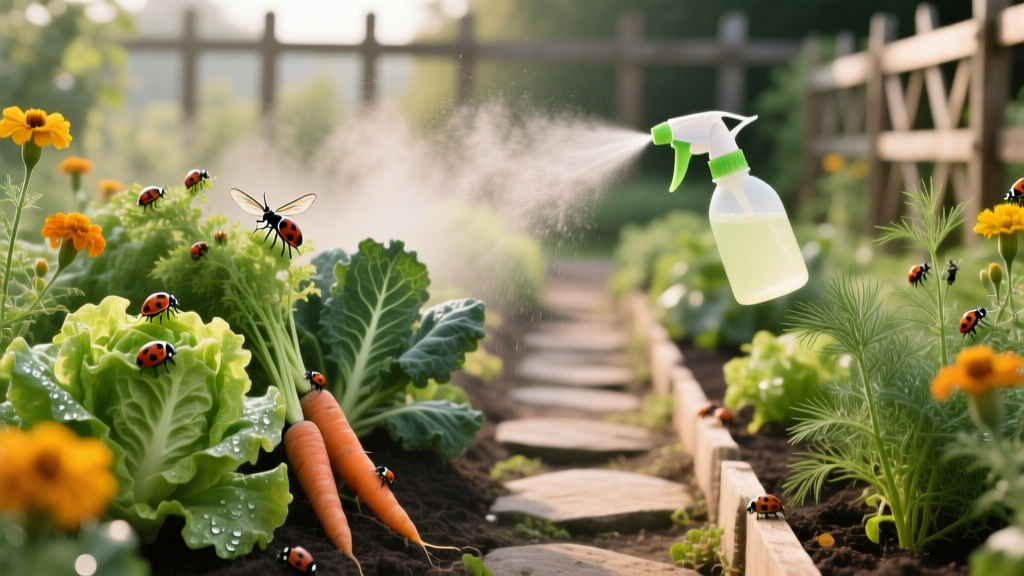
Organic Pest Control: Managing Garden Aphids Naturally
David ParkPublished
Understanding the Aphid Threat in Organic Gardens
Aphids are among the most ubiquitous and frustrating pests in the vegetable garden. These tiny, soft-bodied insects feed by piercing plant tissues and sucking out the nutrient-rich sap, leading to stunted growth, curled leaves, and the transmission of devastating viral diseases. Furthermore, aphids excrete a sticky substance known as honeydew, which attracts ants and promotes the growth of sooty mold, further inhibiting photosynthesis. For gardeners committed to chemical-free and organic approaches, managing aphids requires a fundamental shift in perspective. Rather than seeking total eradication through broad-spectrum synthetic pesticides, organic pest management focuses on ecosystem balance, soil health, and targeted interventions that protect both the crop and the broader garden biome.
Synthetic chemical pesticides often provide a quick knockdown effect but come with severe long-term consequences. They indiscriminately kill beneficial predator insects, disrupt soil microbiology, and lead to pesticide resistance as aphid populations rapidly evolve. By adopting an integrated organic approach, you can maintain aphid populations below economic injury levels while fostering a resilient, self-regulating garden ecosystem.
Cultural Controls: Prevention Through Garden Hygiene
The first line of defense in any organic pest management strategy is cultural control. Aphids are highly attracted to plants with high levels of soluble nitrogen in their tissues, which results in rapid, succulent, and tender new growth. This is a common issue in gardens that rely heavily on synthetic, fast-release fertilizers.
Managing Soil Fertility Naturally
To avoid creating an all-you-can-eat buffet for aphids, focus on building slow-release, biologically active soil. Instead of synthetic urea or high-nitrogen liquid feeds, amend your soil with high-quality compost, worm castings, and organic meals like alfalfa or kelp meal. These organic amendments release nutrients gradually as soil microbes break them down, promoting steady, robust plant growth with thicker cell walls that are naturally more resistant to piercing-sucking insects.
Additionally, ensure your vegetables are receiving the correct amount of water. Drought-stressed plants are actually more susceptible to aphid damage because their natural defense mechanisms are compromised. Utilize drip irrigation and apply a thick layer of organic mulch, such as straw or shredded leaves, to retain soil moisture and regulate root zone temperatures.
Biological Controls: Harnessing Beneficial Insects
In a thriving organic garden, aphids serve a vital ecological purpose: they are the primary food source for a vast array of beneficial predatory insects. If you eliminate all aphids, the beneficial predators will have nothing to eat and will leave your garden. The goal is to maintain a small, manageable aphid population to sustain these natural allies.
Attracting and Sustaining Natural Predators
Lady beetles (ladybugs), green lacewings, hoverflies, and parasitic wasps are the heavyweights of organic aphid control. A single ladybug larva can consume hundreds of aphids during its development. However, simply purchasing and releasing live ladybugs from a garden center is often ineffective, as they will quickly fly away if there is insufficient habitat and food. Instead, focus on creating a permanent habitat for native beneficial insects, following the conservation guidelines advocated by the Xerces Society for Invertebrate Conservation.
To attract these predators, incorporate a diverse array of nectar and pollen-rich plants into your garden layout. Beneficial insects require floral resources to complete their life cycles. Excellent choices include:
- Umbellifers: Dill, fennel, cilantro, and yarrow provide accessible nectar for tiny parasitic wasps and hoverflies.
- Asteraceae Family: Cosmos, zinnias, and calendula attract adult ladybugs and lacewings.
- Alyssum: Sweet alyssum is a low-growing groundcover that acts as a magnet for hoverflies and predatory beetles.
Companion Planting and Trap Cropping
Strategic companion planting is a cornerstone of chemical-free gardening. By interplanting specific species, you can repel aphids, mask the scent of your vulnerable crops, or lure aphids away from your prized vegetables entirely.
The Trap Crop Strategy
Trap cropping involves planting a highly attractive species to draw pests away from your main crop. Nasturtiums are the gold standard for aphid trap cropping. Aphids, particularly the black bean aphid, are intensely drawn to nasturtiums. Plant nasturtiums about 10 to 15 feet away from your vegetable beds. Once the nasturtiums are heavily infested, you can simply pull them up and add them to your hot compost pile, effectively removing thousands of aphids from the garden without touching your vegetables.
Repellent Companion Plants
Conversely, strong-smelling alliums can help mask the scent of vulnerable crops. Interplanting chives, garlic, and ornamental onions around the base of roses, tomatoes, and brassicas can confuse foraging aphids and deter them from settling on your crops.
Organic Sprays and Physical Interventions
When cultural and biological controls are not enough to prevent crop damage, it is time to intervene with physical or organic chemical controls. It is crucial to select products that comply with organic standards, such as those verified by the Organic Materials Review Institute (OMRI), and that align with the broader environmental protections outlined by the USDA National Organic Program.
Physical Removal: The Water Blast Method
Before reaching for any spray, try a strong jet of water from your garden hose. Aphids have weak legs and cannot easily climb back up a plant once knocked off. Direct a sharp stream of water at the undersides of the leaves early in the morning so the foliage has time to dry before nightfall, reducing the risk of fungal diseases. This method is free, highly effective for minor infestations, and completely harmless to beneficial insects.
Organic Insecticidal Soaps
Insecticidal soaps are potassium salts of fatty acids that work by penetrating the soft outer cuticle of the aphid, causing cellular leakage and rapid dehydration. They are highly effective on contact but have no residual effect, meaning they will not harm beneficial insects that arrive after the spray has dried. You can purchase commercial OMRI-listed insecticidal soaps for approximately $8 to $12 per 32-ounce ready-to-use bottle, or you can make a highly effective DIY version at home.
DIY Castile Soap Spray Recipe
- Ingredients: 1 quart of lukewarm water, 1 teaspoon of pure liquid castile soap (such as Dr. Bronner's, unscented or peppermint), and 1/4 teaspoon of vegetable oil (to help the solution adhere to the waxy cuticle of the aphids).
- Mixing: Combine the ingredients in a spray bottle and shake gently to avoid creating excessive suds.
- Application: Spray the solution directly onto the aphid colonies, ensuring thorough coverage of the undersides of the leaves. Apply in the early evening to avoid leaf burn from the midday sun and to protect daytime pollinators. Reapply every 4 to 7 days as needed.
Neem Oil: The Hormonal Disruptor
Cold-pressed neem oil contains azadirachtin, a compound that disrupts the hormonal systems of insects, preventing them from molting and reproducing. It also acts as an antifeedant, making the plant taste unappealing. Mix 1 tablespoon of cold-pressed neem oil and 1/2 teaspoon of castile soap into 1 quart of water. Neem oil is slightly more persistent than soap and can help manage overlapping generations of aphids. A 16-ounce bottle of high-quality, cold-pressed neem oil typically costs around $15 and will yield dozens of gallons of spray.
Comparison of Organic Aphid Control Methods
Choosing the right intervention depends on the severity of the infestation, your budget, and the current state of your garden's ecosystem. The table below provides a structured comparison of the primary organic control methods discussed.
| Control Method | Estimated Cost | Speed of Results | Impact on Beneficial Insects | Best Use Case |
|---|---|---|---|---|
| Water Blast (Hose) | Free | Immediate | None | Early detection, minor infestations on sturdy plants. |
| Trap Cropping (Nasturtiums) | $3 - $10 (Seed) | 2 - 4 Weeks | Positive (Provides food) | Preventative measure for brassicas and beans. |
| Beneficial Habitat Planting | $15 - $30 (Plants/Seed) | 1 - 2 Months | Highly Positive | Long-term ecosystem balance and permanent pest suppression. |
| DIY Insecticidal Soap | < $1 per batch | 24 - 48 Hours | Low (Only on direct contact) | Moderate infestations requiring immediate knockdown. |
| Cold-Pressed Neem Oil | ~$15 (16 oz bottle) | 3 - 7 Days | Moderate (Can affect larvae) | Severe, persistent infestations with overlapping generations. |
Conclusion: Patience and Observation
Transitioning to a chemical-free, organic approach to aphid management requires patience and keen observation. In the first year or two of eliminating synthetic pesticides, you may experience aphid flare-ups as the populations of natural predators rebuild and establish themselves in your garden. Resist the urge to panic and reach for harsh chemicals. By focusing on building healthy, biologically active soil, planting diverse floral resources to support beneficial insects, and utilizing targeted organic sprays only when absolutely necessary, you will cultivate a robust, self-regulating garden. Over time, nature will do the heavy lifting, resulting in healthier vegetables, a safer environment for your family and pets, and a vibrant ecosystem teeming with life.
