Tree Care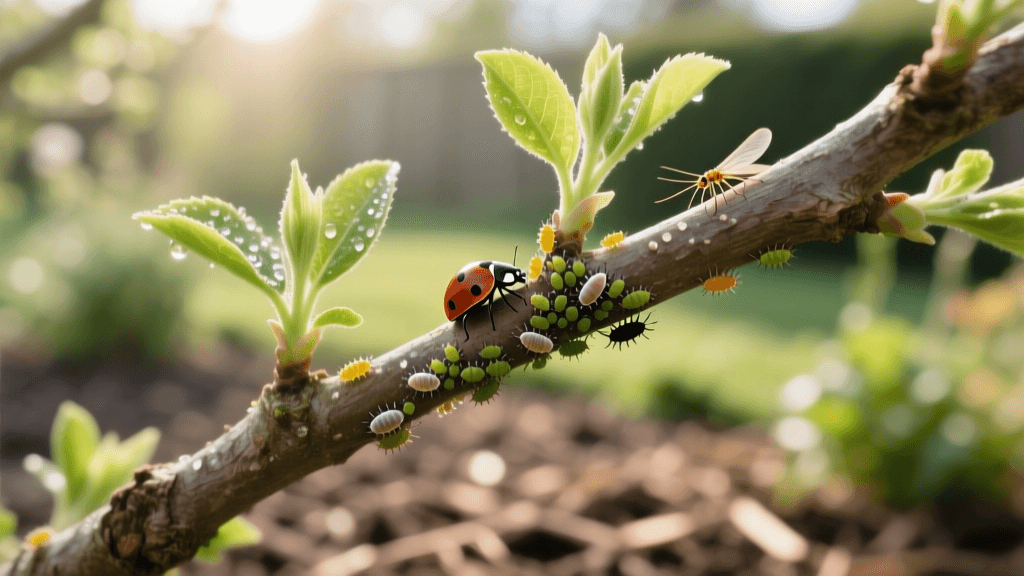
Organic Tree Pest Control: Managing Aphids and Scale Naturally
The Case for Chemical-Free Tree Care
For decades, the standard response to tree pest infestations was the immediate application of broad-spectrum synthetic insecticides. While these chemicals offer a quick knockdown, they come with severe long-term costs: the destruction of beneficial insect populations, soil microbiome disruption, and the inevitable development of pest resistance. Today, modern arboriculture and home lawn care are shifting toward organic, chemical-free approaches that prioritize long-term tree health and ecological balance.
Two of the most pervasive and damaging tree pests in North America are aphids and scale insects. Left unchecked, they can stunt growth, cause severe leaf drop, and invite secondary fungal infections. Fortunately, managing these pests without synthetic chemicals is entirely possible. By combining cultural practices, biological controls, and targeted organic sprays, you can protect your ornamental and fruit trees while maintaining a thriving, pollinator-friendly landscape.
Identifying the Enemy: Aphids vs. Scale Insects
Before implementing any treatment, accurate identification is crucial. Aphids and scale insects belong to the same order (Hemiptera) and feed similarly, but their behaviors and physical characteristics require slightly different management strategies.
Aphids: The Sap Suckers
Aphids are small, soft-bodied insects that cluster on new growth, buds, and the undersides of leaves. They pierce the phloem to extract sap, excreting a sticky, sugar-rich substance called honeydew. According to the University of California Integrated Pest Management (UC IPM) program, aphids are among the most common tree pests, and their honeydew often leads to the growth of black sooty mold, which blocks sunlight and reduces photosynthesis. Furthermore, aphids are prolific vectors for plant viruses.
Scale Insects: The Armored Invaders
Scale insects are deceptive; they often look like small bumps, scabs, or fungal growths on branches and twigs rather than insects. As detailed in the UC IPM Pest Notes on Scales, they are divided into two main categories: armored scales (which secrete a hard, protective cover and do not produce honeydew) and soft scales (which produce honeydew and have a waxy coating). Scale insects are particularly dangerous to mature trees, as heavy infestations can cause branch dieback and significantly weaken the tree's overall vigor.
Monitoring and Action Thresholds
A core tenet of organic pest management is the concept of action thresholds. The presence of a few aphids or scale insects does not constitute an emergency; in fact, a small population is necessary to sustain the beneficial predator insects that will eventually control the outbreak. Inspect your trees weekly during the spring and early summer. Use a 10x hand lens to check the undersides of leaves and the crotches of branches. If you notice leaf curling, yellowing, or heavy honeydew accumulation, it is time to intervene.
Cultural and Mechanical Controls: The First Line of Defense
Before reaching for any spray, organic tree care begins with physical and cultural interventions.
- Water Blasting: For aphids, a strong jet of water from a garden hose is often enough to dislodge them from the foliage. Use a nozzle that provides enough pressure to knock the insects off without tearing the leaves. Because aphids are poor climbers, many will die before they can return to the canopy.
- Pruning and Sanitation: For localized scale infestations, prune out heavily encrusted branches. Dispose of the pruned material in sealed bags or by burning it—never leave infested wood near healthy trees.
- Managing the Ant-Aphid Mutualism: Ants actively "farm" aphids and soft scale insects, protecting them from predators in exchange for their honeydew. To break this cycle, wrap the trunks of your trees with a sticky barrier like Tanglefoot. Apply a band of masking tape to the bark first to protect the tree, then coat the tape with the sticky resin. This prevents ants from climbing the tree, allowing natural predators to clean up the pests.
Biological Controls: Unleashing Beneficial Predators
Nature has its own pest control workforce. By encouraging or actively introducing beneficial insects, you can establish a self-regulating ecosystem in your yard. The Environmental Protection Agency (EPA) highlights biological pesticides and predators as a cornerstone of safe, sustainable pest management that minimizes environmental impact.
- Ladybugs (Hippodamia convergens): A single adult ladybug can consume up to 50 aphids a day. Purchase them from reputable suppliers and release them at dusk, after watering the tree, so they have moisture and are less likely to fly away immediately.
- Green Lacewings (Chrysoperla carnea): Often called "aphid lions," lacewing larvae are voracious predators of both aphids and soft scale crawlers. They are generally more effective than ladybugs for severe infestations because they do not fly away once their food source is depleted.
- Parasitic Wasps: Tiny, non-stinging wasps (like Aphytis melinus) lay their eggs inside scale insects. The developing wasp larvae consume the scale from the inside out. You can encourage these native wasps by planting nectar-rich flowers like yarrow, dill, and sweet alyssum near your trees.
Organic Sprays and Horticultural Oils
When cultural and biological controls are not enough to bring an infestation below the damage threshold, organic sprays provide a safe, chemical-free knockdown. These materials work on contact and leave no toxic residual in the soil.
| Organic Treatment | Target Pest | Application Rate | Best Time to Apply | Estimated Cost |
|---|---|---|---|---|
| Cold-Pressed Neem Oil | Aphids, Soft Scale | 2 tbsp per gallon + 1/2 tsp castile soap | Early morning or dusk | $15 - $20 / 16 oz |
| Insecticidal Soap | Aphids, Mites, Crawlers | 2.5 tbsp per gallon (or ready-to-use) | When temps are below 85°F | $10 - $15 / 32 oz |
| Dormant Horticultural Oil | Overwintering Scale | 2.5 to 5 tbsp per gallon | Late winter (dormant season) | $20 - $30 / 1 gal |
| BotaniGard (Beauveria bassiana) | Aphids, Soft Scale | 1 to 2 tbsp per gallon | Evening, high humidity | $35 - $45 / 1 lb |
How to Mix and Apply Neem Oil
Neem oil contains azadirachtin, a compound that disrupts the hormonal systems of insects, preventing them from molting and reproducing. To make a highly effective foliar spray, mix 2 tablespoons of pure, cold-pressed neem oil with 1 gallon of water. Because oil and water do not mix, add 1/2 teaspoon of a mild liquid soap (like Dr. Bronner's castile soap) as an emulsifier. Spray the canopy thoroughly, ensuring complete coverage of the undersides of the leaves where aphids hide. Always apply neem oil at dusk to prevent phototoxicity (leaf burn) and to avoid harming daytime pollinators like bees.
The Power of Dormant Oil for Scale
Armored scale insects are notoriously difficult to kill during the growing season because their hard shells deflect contact sprays. The most effective organic strategy is to apply a dormant horticultural oil in late winter, just before the tree breaks dormancy. The oil coats the branches and suffocates the overwintering scale insects and their eggs, drastically reducing the population before spring arrives.
Soil Health and Tree Immunity
A stressed tree is a magnet for pests. Trees that are drought-stressed, planted in compacted soil, or subjected to improper fertilization lack the natural chemical defenses required to fend off aphids and scale insects.
The Nitrogen Trap: Avoid using high-nitrogen synthetic fertilizers on trees susceptible to aphids. Synthetic nitrogen forces rapid, tender, sappy growth that is highly attractive to sap-sucking insects. Instead, top-dress the root zone with organic compost and use slow-release organic amendments like alfalfa meal or kelp meal to promote steady, resilient growth.
Mulching is another critical component of organic tree care. Apply a 2-to-3-inch layer of arborist wood chips around the base of the tree, extending out to the drip line. Keep the mulch a few inches away from the trunk to prevent rot. This mulch layer regulates soil temperature, retains moisture, and feeds the mycorrhizal fungi that help the tree uptake water and nutrients, thereby boosting its natural immunity to pest attacks.
Conclusion
Transitioning to a chemical-free approach for managing aphids and scale insects requires patience and observation. You are not just killing pests; you are building a resilient, balanced ecosystem in your yard. By utilizing water blasts, managing ant populations, introducing beneficial predators, and applying targeted organic sprays like neem and horticultural oils, you can keep your trees healthy and vibrant. Over time, as your soil health improves and beneficial insect populations establish themselves, your trees will naturally resist severe damage, proving that nature, when properly guided, is the best arborist of all.