Gardening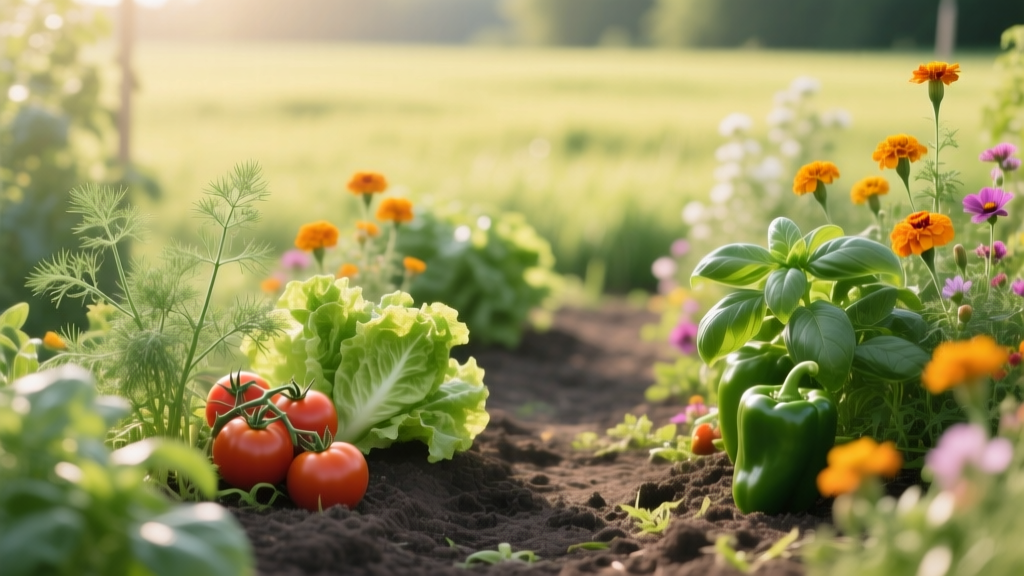
The Organic Companion Planting Guide For Pest Control
Robert HayesPublished
Introduction to Chemical-Free Pest Management
For decades, home gardeners have relied on synthetic chemical pesticides to protect their vegetable patches and flower beds from destructive insects. However, the organic gardening movement has revealed the hidden costs of these chemicals: disrupted soil microbiomes, harmed pollinator populations, and pesticide-resistant superbugs. Transitioning to a chemical-free garden does not mean surrendering your harvest to pests. Instead, it requires a strategic approach rooted in ecological balance. One of the most effective, time-tested, and scientifically backed methods for organic pest control is companion planting.
Companion planting involves strategically placing different plant species in close proximity to enhance growth, improve soil health, and naturally deter pests. By mimicking the biodiversity found in natural ecosystems, gardeners can create a resilient landscape that defends itself without a single drop of synthetic toxins.
The Science Behind Organic Companion Planting
According to research highlighted by the University of Minnesota Extension, companion planting operates on several biological and chemical levels. Plants are not passive organisms; they actively release volatile organic compounds (VOCs) and root exudates that interact with their environment. When we pair specific plants together, we leverage these natural defenses to confuse pests, attract beneficial predators, and even improve soil nutrient availability.
Companion planting is not merely garden folklore; it is the practical application of plant ecology to create a resilient, self-regulating agricultural ecosystem that reduces the need for external chemical inputs.
Core Mechanisms of Natural Pest Deterrence
To successfully implement a chemical-free pest management strategy, it is crucial to understand the three primary mechanisms of companion planting:
- Scent Masking and Confusion: Many pests locate their host plants through olfactory cues. Strong-smelling herbs and alliums can mask the scent of vulnerable crops, effectively rendering them invisible to pests like the carrot rust fly or cabbage looper.
- Trap Cropping: This involves planting a highly attractive 'sacrificial' crop to draw pests away from your primary harvest. The trap crop is then either destroyed or managed organically, saving your main vegetables.
- Beneficial Insect Attraction: The Xerces Society emphasizes the importance of providing habitat for beneficial insects. Certain companion plants produce nectar and pollen that attract parasitic wasps, ladybugs, and hoverflies, which act as natural biological controls by preying on aphids and caterpillars.
Strategic Plant Pairings for Common Garden Pests
Below are highly effective, actionable companion plant pairings tailored for the organic vegetable garden.
Tomatoes and Basil / Marigolds
Tomatoes are notoriously susceptible to hornworms, aphids, and nematodes. Planting sweet basil (Ocimum basilicum) interspersed among tomato plants helps repel thrips and tomato hornworms. Furthermore, French Marigolds (Tagetes patula) produce a compound called alpha-terthienyl in their roots, which actively suppresses root-knot nematodes in the soil. Actionable Advice: Plant one marigold for every three tomato plants, spacing them 12 inches apart. Sow basil seeds indoors 4 weeks before the last frost and transplant them between tomato cages once nighttime temperatures consistently exceed 50°F.
Brassicas and Nasturtiums / Sweet Alyssum
Cabbage, broccoli, and kale (the brassica family) are magnet crops for cabbage worms and aphids. Nasturtiums act as a brilliant trap crop, drawing aphids away from your brassicas. Simultaneously, sweet alyssum attracts tiny parasitic wasps that lay their eggs inside cabbage worm caterpillars, naturally eliminating the threat. Actionable Advice: Direct sow nasturtium seeds around the perimeter of your brassica bed 2 weeks before transplanting your broccoli. Broadcast alyssum seeds lightly over the soil surface and keep them moist until germination.
Squash and Radishes
Squash vine borers and cucumber beetles can devastate zucchini and pumpkin crops. Radishes serve as an excellent trap crop for flea beetles and can help deter squash vine borers when planted in a dense ring around the base of the squash vine. Actionable Advice: Plant a circle of 8-10 radish seeds directly around the base of each squash hill. Allow the radishes to bolt (go to seed) rather than harvesting them, as the flowering stage provides the maximum pest-repelling benefits.
Companion Planting Data Chart
Use the following reference table to plan your organic garden layout and optimize your pest management strategy.
| Primary Crop | Companion Plant | Target Pest | Mechanism | Spacing Guide |
|---|---|---|---|---|
| Tomatoes | French Marigold | Root-Knot Nematodes | Root Exudates (Toxic to nematodes) | 12 inches apart, alternating rows |
| Brassicas | Nasturtium | Aphids | Trap Cropping | Border planting, 18 inches from crop |
| Carrots | Chives / Leeks | Carrot Rust Fly | Scent Masking | Interplant every 6 inches in row |
| Squash | Radish | Squash Vine Borer | Deterrence / Trap Cropping | Ring of 8 seeds at plant base |
| Roses / Flowers | Sweet Alyssum | Aphids / Mites | Attracts Predatory Hoverflies | Broadcast as living mulch |
Plants to Keep Apart: Avoiding Negative Allelopathy
Just as some plants help each other, others engage in chemical warfare—a phenomenon known as allelopathy. To maintain a thriving organic garden, avoid planting the following combinations:
- Black Walnut and Nightshades: Black walnut trees produce juglone, a chemical that causes severe wilting and death in tomatoes, peppers, and eggplants.
- Fennel and Most Vegetables: Fennel secretes compounds from its roots that inhibit the growth of nearly all neighboring plants, particularly tomatoes and beans. Always plant fennel in a dedicated, isolated bed or container.
- Onions and Legumes: Alliums (onions, garlic, leeks) stunt the growth of peas and beans by interfering with the nitrogen-fixing bacteria on the legumes' root nodules.
Implementation Guide: Timing, Spacing, and Budget
Transitioning to a companion-planted garden is highly cost-effective compared to purchasing chemical pesticides. Here is a breakdown of what to expect regarding budget and timing for a standard 4x8 foot raised bed.
Budget and Costs
Organic heirloom seed packets typically cost between $2.50 and $4.00 each. Outfitting an entire 32-square-foot raised bed with a diverse array of companion seeds (marigolds, alyssum, nasturtiums, and basil) will cost approximately $15 to $20 for the initial season. Because many of these companions, like alyssum and nasturtiums, are prolific self-seeders, your costs in subsequent years will drop to near zero. In contrast, a single bottle of organic neem oil or spinosad spray can cost $15 to $25 and requires frequent reapplication.
Timing and Succession
Timing is critical for trap cropping. Your trap crop must be established and actively growing before the main pest arrives. For example, if you are protecting spring brassicas from aphids, sow your nasturtium seeds 14 to 21 days before you transplant your cabbage seedlings into the garden. For traditional resources and regional timing charts, The Old Farmer's Almanac provides excellent localized planting calendars that can help you synchronize your companion sowings with your primary crops.
Integrating Companion Planting with Holistic Organic Practices
While companion planting is a cornerstone of chemical-free gardening, it works best when integrated into a broader organic management system. Ensure you are practicing annual crop rotation to prevent soil-borne diseases from overwintering. Maintain a thick layer of organic mulch (such as straw or shredded leaves) to retain moisture and provide ground-level habitat for predatory beetles. Finally, prioritize building your soil organic matter through composting; plants grown in rich, biologically active soil are naturally more resistant to severe pest damage.
Conclusion
Embracing organic companion planting transforms your garden from a battleground requiring chemical interventions into a thriving, self-sustaining ecosystem. By understanding the relationships between plants and insects, you can naturally suppress pest populations, attract vital pollinators, and harvest healthier, chemical-free produce. Start small by integrating marigolds and alyssum into your existing beds this season, and observe the remarkable ecological balance that unfolds in your own backyard.
