Tree Care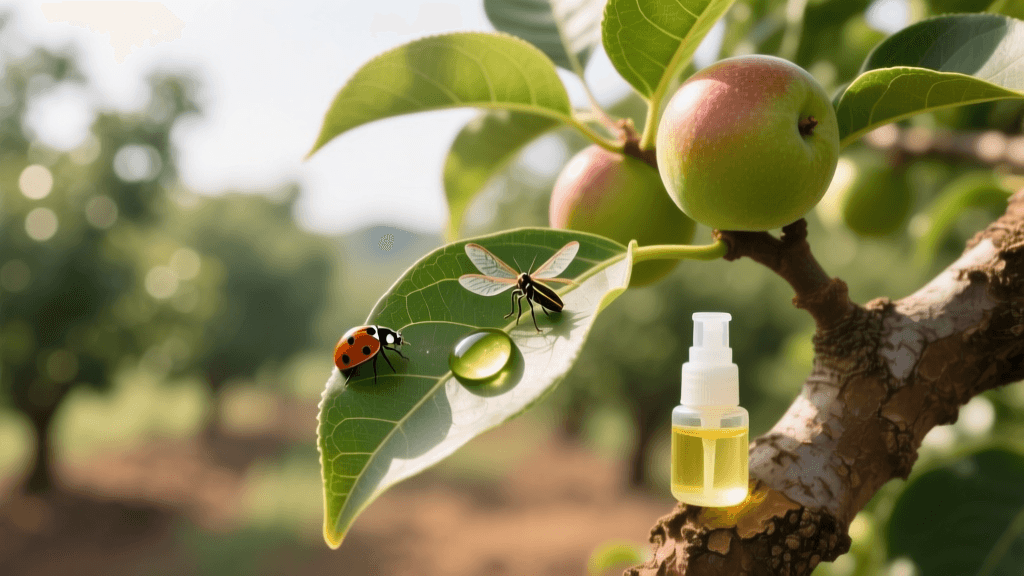
Organic Fruit Tree Pest Control: Managing Aphids & Scale
The Shift Toward Chemical-Free Orchard Management
Growing a thriving backyard orchard without relying on synthetic chemicals is not just an environmental preference; it is a scientifically sound approach to long-term tree health. Synthetic pesticides often disrupt the delicate soil microbiome, harm essential pollinators, and lead to pesticide-resistant pest populations. By adopting organic methodologies aligned with the principles outlined by the USDA National Organic Program, home gardeners can cultivate robust fruit trees that naturally resist severe damage. This comprehensive guide focuses on identifying, managing, and preventing two of the most pervasive orchard pests: aphids and scale insects, using entirely chemical-free and organic approaches.
Understanding the Enemy: Aphids and Scale Insects
Before deploying any treatments, accurate identification is crucial. Aphids and scale insects are both sap-sucking pests, but their biology and life cycles require slightly different management strategies.
Aphids: The Rapid Reproducers
Aphids are small, soft-bodied insects that typically cluster on the undersides of new leaves and tender shoots. Common orchard varieties include the green apple aphid and the pear aphid. They reproduce via parthenogenesis (females giving birth to live clones without mating), allowing populations to explode in a matter of weeks during the spring. The primary symptoms of an aphid infestation include severe leaf curling, stunted shoot growth, and the excretion of 'honeydew'—a sticky, sugar-rich waste that promotes the growth of black sooty mold on leaves and fruit.
Scale Insects: The Armored Invaders
Scale insects are often mistaken for fungal growths or natural bark anomalies. They appear as small, immobile, shell-like bumps on branches and twigs. San Jose scale and European fruit scale are notorious in fruit orchards. Scale insects are categorized into 'armored' (hard shell, not attached to the body) and 'soft' (waxy coating attached to the body) varieties. The most vulnerable stage of their life cycle is the 'crawler' stage, where newly hatched nymphs move across the bark to find a feeding site before settling down and forming their protective shells. Heavy infestations lead to branch dieback, reduced fruit size, and overall tree decline.
Step 1: Cultural and Mechanical Interventions
The foundation of any successful organic pest management strategy is cultural control. Creating an environment that is inhospitable to pests but ideal for tree vigor is your first line of defense.
- Strategic Pruning: Aphids and scale thrive in dense, humid canopies with poor airflow. Prune your fruit trees to maximize light penetration and air circulation. Use an 'open-center' pruning method for stone fruits (peaches, plums) and a 'modified central leader' for pome fruits (apples, pears). Remove water sprouts and crossing branches, as these tender, shaded growths are prime real estate for aphid colonization.
- Nitrogen Management: Avoid high-nitrogen synthetic fertilizers. Excess nitrogen forces rapid, sappy, succulent growth that is highly attractive to aphids. Instead, top-dress the root zone with 1 to 2 inches of well-aged organic compost in early spring to provide a slow, steady release of nutrients.
- Proper Mulching: Apply a 3-inch layer of arborist wood chips around the drip line of the tree to retain moisture and suppress weeds. However, keep the mulch at least 4 inches away from the trunk flare to prevent collar rot and discourage rodents from nesting near the base.
- Mechanical Syringing: For mild aphid outbreaks, a strong jet of water from a garden hose aimed at the undersides of the leaves can physically dislodge the pests. Because aphids are weak crawlers, many will die before they can return to the foliage. For dormant scale, scrubbing the bark with a stiff-bristled brush and a mild soap solution can physically remove overwintering adults.
Step 2: Organic Sprays and Treatments
When cultural controls are insufficient, organic sprays offer a highly effective, low-toxicity intervention. According to the Environmental Protection Agency (EPA), organic pesticides are derived from natural materials and break down rapidly in the environment, making them safe for backyard use when applied correctly.
Insecticidal Soap
Insecticidal soaps are composed of potassium salts of fatty acids. They work on contact by penetrating the soft cuticle of insects like aphids, causing rapid desiccation (drying out). Because they have no residual effect, you must thoroughly coat the pests. Mix 2.5 tablespoons of concentrated insecticidal soap per gallon of water. Apply in the early morning or late evening to prevent rapid evaporation and reduce the risk of phytotoxicity (leaf burn) on sensitive apple and pear varieties.
Cold-Pressed Neem Oil
Neem oil, extracted from the seeds of the neem tree, contains azadirachtin, a potent compound that acts as an antifeedant and insect growth regulator. It stops pests from molting and feeding. For a highly effective foliar spray, mix 1 to 2 tablespoons of pure, cold-pressed neem oil with 1 teaspoon of pure liquid castile soap (which acts as an emulsifier) per gallon of water. Shake vigorously and apply every 7 to 14 days during active infestations.
Horticultural Oils
Horticultural oils work by physically smothering insects and their eggs, blocking their spiracles (breathing pores). 'Dormant oil' is a heavier formulation applied in late winter just before bud swell to smother overwintering scale eggs and adults. 'Summer oil' is a lighter, highly refined formulation that can be safely applied to leafy canopies during the growing season at a reduced rate (typically 1 to 2 tablespoons per gallon).
Organic Treatment Comparison Chart
| Treatment Type | Active Ingredient | Target Pests | Best Application Timing | Average Cost |
|---|---|---|---|---|
| Insecticidal Soap | Potassium salts of fatty acids | Aphids, Mites, Psyllids | Growing season; early morning/late evening | $12 - $18 per quart |
| Neem Oil (Cold-Pressed) | Azadirachtin & fatty acids | Aphids, Scale crawlers, Caterpillars | Growing season; avoid peak heat and bloom | $18 - $25 per pint |
| Dormant Horticultural Oil | Highly refined petroleum/mineral oil | Overwintering Scale, Aphid eggs, Mite eggs | Late winter, just before bud swell (dormant) | $15 - $22 per quart |
| Summer Horticultural Oil | Lightweight mineral oil | Active Scale, Aphids, Spider Mites | Summer; when temperatures are below 85°F | $15 - $22 per quart |
Step 3: Biological Control and Beneficial Insects
Nature provides its own pest control agents. By fostering a habitat for beneficial insects, you can establish a self-regulating ecosystem in your orchard. The Xerces Society for Invertebrate Conservation emphasizes that conserving natural enemy habitats is one of the most effective long-term pest management strategies available to growers.
- Lady Beetles and Green Lacewings: Both the adult and larval stages of lady beetles and green lacewings are voracious predators of aphids. A single green lacewing larva (often called an 'aphid lion') can consume up to 200 aphids per week. You can purchase lacewing eggs or larvae from biological supply companies for approximately $30 to $40 per 10,000 eggs, which is sufficient for a large backyard orchard.
- Parasitic Wasps: Tiny, non-stinging parasitic wasps (such as Aphidius colemani) lay their eggs inside aphids. The developing wasp larva consumes the aphid from the inside out, leaving behind a swollen, tan 'mummy.' If you see aphid mummies on your leaves, do not spray; the wasps are already doing the work.
- Companion Planting: To keep beneficial insects in your orchard, you must provide them with nectar and pollen, especially when pest populations are low. Plant a diverse understory of umbellifers and composite flowers. Sweet alyssum, dill, fennel, yarrow, and buckwheat are exceptional choices that bloom continuously and attract a wide array of predatory and parasitic insects.
Seasonal Organic Care Calendar
Timing is everything in organic tree care. Follow this seasonal schedule to stay ahead of pest life cycles:
- Winter (Dormant Season): Prune trees to improve structure and airflow. Apply a dormant horticultural oil spray just before bud swell to smother overwintering scale and aphid eggs. Clear fallen debris to disrupt disease cycles.
- Spring (Pre-Bloom to Petal Fall): Monitor new growth weekly for aphid colonies. Apply insecticidal soap if populations exceed threshold levels. Release green lacewing eggs as soon as the first aphids appear. Avoid spraying any oils or soaps during full bloom to protect foraging bees.
- Summer (Active Growth): Continue monitoring for scale crawlers and aphids. Apply summer-weight horticultural oil or neem oil for crawler control, ensuring applications are made when temperatures are below 85°F to prevent leaf burn. Maintain deep, infrequent watering via drip irrigation to reduce tree stress.
- Fall (Post-Harvest): Remove all mummified fruit and fallen leaves from the orchard floor. Top-dress the soil with organic compost to feed the soil web over the winter. Plant cover crops or companion flowers for the following spring.
Conclusion: Embracing the Ecosystem
Transitioning to a chemical-free orchard requires a shift in mindset. In an organic system, the total eradication of pests is neither possible nor desirable; a small population of aphids and scale must remain present to sustain the beneficial insects that protect your trees. By combining vigilant monitoring, strategic pruning, targeted organic sprays, and the encouragement of natural predators, you can produce abundant, healthy, and chemical-free fruit for years to come.