Tree Care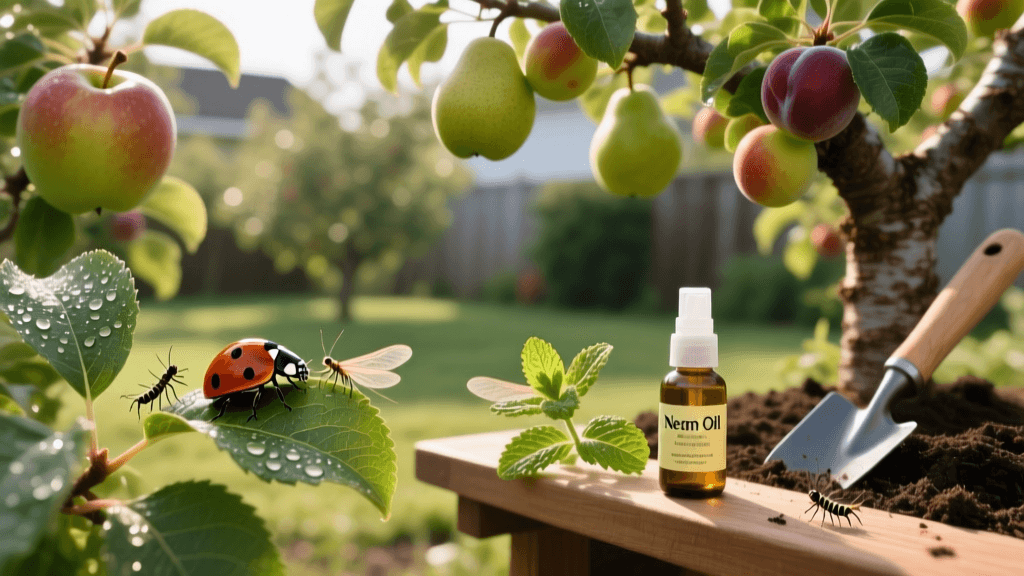
Organic Pest Management Guide for Backyard Fruit Trees
The Philosophy of Organic Fruit Tree Care
Growing fruit trees in your backyard is one of the most rewarding endeavors for any home gardener. However, the journey from a blossoming branch to a bowl of fresh apples, peaches, or cherries is often fraught with challenges from insect pests and fungal diseases. Historically, home orchardists have relied on broad-spectrum synthetic pesticides to secure their harvests. Today, a growing movement toward chemical-free and organic approaches is transforming how we manage backyard fruit trees. By focusing on soil health, ecological balance, and targeted organic treatments, you can produce abundant, safe, and delicious fruit without harming local pollinators or disrupting your yard's microbiome.
Organic pest management is not simply about substituting a synthetic chemical with a natural one; it is a holistic system. It requires a deep understanding of the pest life cycle, precise timing of interventions, and a commitment to cultural practices that make the tree inherently more resilient. In this comprehensive guide, we will explore the most effective organic sprays, outline a seasonal application calendar, and discuss how to harness beneficial insects to protect your home orchard.
Essential Organic Sprays and Treatments
To successfully manage pests without synthetic chemicals, you need a well-stocked toolkit of organic remedies. Below are the cornerstone treatments for the chemical-free orchardist, complete with specific mixing rates and application guidelines.
Horticultural Oils (Dormant and Summer Oils)
Horticultural oils are highly refined petroleum or plant-based oils that work by coating and suffocating soft-bodied insects and their overwintering eggs. They are exceptionally effective against aphids, scale insects, and spider mites. According to the University of California Statewide Integrated Pest Management Program, dormant oil applications are a critical first line of defense because they target pests before they hatch and begin feeding in the spring. During the dormant season, you can use a heavier application rate of 2 to 4 tablespoons per gallon of water. In the summer, use a lighter 'summer oil' rate (usually 1 to 2 tablespoons per gallon) to avoid leaf burn.
Neem Oil and Azadirachtin
Extracted from the seeds of the neem tree, neem oil is a versatile organic staple. The active compound, azadirachtin, acts as an antifeedant and insect growth regulator, disrupting the molting process of pests like caterpillars, whiteflies, and beetles. The National Pesticide Information Center notes that neem oil also possesses mild fungicidal properties, making it useful against powdery mildew. For a standard foliar spray, mix 1 to 2 tablespoons of cold-pressed neem oil and a half-teaspoon of insecticidal soap (as an emulsifier) per gallon of water. Apply in the early morning or late evening to prevent phototoxicity and protect foraging bees.
Spinosad
Spinosad is a remarkable substance derived from the fermentation of a soil-dwelling bacterium, Saccharopolyspora spinosa. It is highly effective against stubborn orchard pests such as the codling moth (the classic 'apple worm'), cherry fruit fly, and thrips. Spinosad affects the insect's nervous system, causing paralysis and death. A typical mixing rate is 4 tablespoons of liquid spinosad concentrate per gallon of water. Crucial Safety Note: Spinosad is highly toxic to bees when wet. You must apply it at dusk or after petal fall when bees are no longer actively foraging on the blossoms. Once the spray dries (usually within 3 hours), it is generally safe for pollinators.
Bacillus thuringiensis (Bt)
Bt is a naturally occurring soil bacterium that produces proteins toxic to the larvae of specific insects, primarily caterpillars. It is the go-to organic treatment for leafrollers, tent caterpillars, and the larval stages of moths. Bt must be ingested by the caterpillar to work, so thorough leaf coverage is essential. Mix 1 to 2 tablespoons of Bt kurstaki strain per gallon of water. Because it degrades rapidly in sunlight, reapply every 5 to 7 days during active caterpillar hatches.
Copper and Sulfur Fungicides
Fungal diseases like apple scab, peach leaf curl, and fire blight can devastate an orchard. Liquid copper fungicides and wettable sulfur are traditional, OMRI-listed (Organic Materials Review Institute) treatments. Copper is primarily used as a preventative dormant spray to kill fungal spores on the bark, while sulfur is used during the growing season to prevent powdery mildew and scab. Always follow the manufacturer's exact dilution rates, as excessive copper can accumulate in the soil and harm tree roots over time.
Organic Treatment Comparison Chart
Choosing the right treatment depends on the specific pest pressure and the time of year. Use the table below to plan your organic orchard budget and schedule.
| Treatment | Primary Targets | Application Stage | Mixing Rate (per Gallon) | Est. Cost per Gallon of Mix |
|---|---|---|---|---|
| Dormant Horticultural Oil | Aphid eggs, Scale, Mites | Late Winter (Dormant) | 2 - 4 tbsp | $0.50 - $0.80 |
| Neem Oil (Cold-Pressed) | Beetles, Whiteflies, Mildew | Spring / Summer | 1 - 2 tbsp + emulsifier | $0.75 - $1.20 |
| Spinosad | Codling Moth, Fruit Flies | Petal Fall / Summer | 4 tbsp | $1.50 - $2.00 |
| Bt (kurstaki) | Caterpillars, Leafrollers | Spring / Summer | 1 - 2 tbsp | $0.30 - $0.60 |
| Liquid Copper Fungicide | Peach Leaf Curl, Scab | Autumn / Late Winter | 2 - 4 tsp (varies by brand) | $0.40 - $0.90 |
The Organic Spray Calendar
Timing is the most critical factor in organic pest management. Because organic sprays generally lack the systemic, long-lasting residual activity of synthetic chemicals, you must apply them precisely when the pest is most vulnerable.
1. Dormant Season (Late Winter to Early Spring)
Before the leaf buds begin to swell, your trees are in their dormant phase. This is the time to apply dormant horticultural oil combined with a copper fungicide. This powerful 1-2 punch suffocates overwintering insect eggs (like scale and aphids) hiding in the bark crevices and eradicates fungal spores responsible for peach leaf curl and apple scab. Ensure the temperature is above freezing and no rain is forecast for 24 hours.
2. Delayed Dormant to Pink Bud Stage
As the buds swell and show color (but before they open), pests begin to emerge. If you have a history of severe aphid or mite issues, a lighter application of horticultural oil can be used. Avoid spraying any broad-spectrum organic insecticides at this stage to protect the native pollinators that are just beginning to wake up.
3. Petal Fall and Early Summer
Once 90% of the flower petals have dropped, the 'petal fall' stage begins. This is the most critical window for treating the codling moth and plum curculio. Apply Spinosad immediately after petal fall and repeat every 10 to 14 days for two to three cycles. If caterpillars are observed rolling leaves, introduce Bt into your rotation. Never spray insecticides while the tree is in full bloom.
Harnessing Beneficial Insects
An organic orchard is a living ecosystem. By encouraging natural predators, you can drastically reduce your need for manual spraying. Ladybugs, green lacewings, and parasitic wasps are voracious consumers of aphids and caterpillars. To attract and retain these beneficial insects, plant a diverse understory of flowering herbs and ground covers. Sweet alyssum, dill, yarrow, and fennel provide essential nectar and pollen for adult parasitic wasps and hoverflies. Avoid using broad-spectrum organic sprays like Spinosad or Pyrethrin unless absolutely necessary, as these can inadvertently harm your beneficial insect populations.
Cultural Practices and Sanitation
The Cornell University New York State Integrated Pest Management Organic Guide emphasizes that sanitation is the backbone of organic disease control. Fungal spores and pest larvae overwinter in fallen leaves, mummified fruit, and dead wood.
- Autumn Cleanup: Rake and destroy all fallen leaves to eliminate overwintering sites for apple scab and cherry leaf spot. Do not compost diseased material; bag it or burn it where local ordinances permit.
- Winter Pruning: Prune your trees during the dormant season to remove dead, diseased, or crossing branches. An open canopy improves air circulation, which rapidly dries leaves after rain and inhibits fungal growth.
- Fruit Thinning: In early summer, thin fruit clusters so that individual fruits do not touch. This prevents pests from hiding in the crevices and reduces the spread of brown rot.
- Proper Mulching: Apply a 2-to-3-inch layer of organic wood chip mulch around the drip line of the tree to retain moisture and build soil biology. Keep the mulch at least 6 inches away from the trunk to prevent rodent damage and crown rot.
Conclusion
Transitioning to a chemical-free approach for your backyard fruit trees requires patience, observation, and a willingness to work with nature rather than against it. While you may occasionally see a minor blemish on an apple or a few chewed leaves, the reward is a vibrant, ecologically balanced orchard that produces safe, nutrient-dense fruit. By mastering the use of horticultural oils, targeted biologicals like Bt and Spinosad, and maintaining rigorous sanitation, you can successfully manage pests and diseases while protecting the vital pollinators that make your harvest possible.