Home & Garden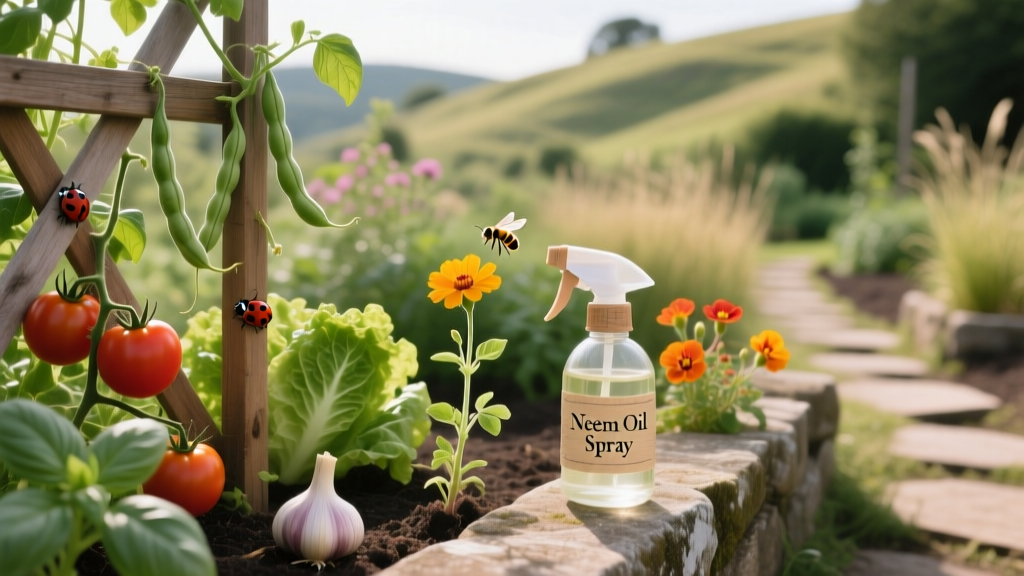
Organic Garden Pest Control: Chemical-Free Sprays & Tips
James MillerPublished
The Case for Chemical-Free Gardening
The modern home garden is a sanctuary, a place where we reconnect with nature and cultivate fresh, nutritious food for our families. However, the widespread use of synthetic pesticides and herbicides has introduced a host of environmental and health concerns. Chemical runoff can contaminate local waterways, while broad-spectrum insecticides often decimate beneficial pollinator populations, including native bees and butterflies. According to the Environmental Protection Agency (EPA), adopting safe, integrated pest management practices is crucial for protecting both human health and the broader ecosystem. Transitioning to an organic, chemical-free approach does not mean surrendering your harvest to pests. Instead, it involves shifting your mindset from total eradication to ecological balance, utilizing natural predators, physical barriers, and botanical sprays to keep pest populations below damaging thresholds.
The Foundation: Soil Health and Plant Immunity
Before reaching for any spray, organic gardeners focus on the soil. Plants grown in rich, biologically active soil possess a robust natural immune system, making them far less susceptible to severe pest damage. Pests are naturally drawn to weak, stressed plants that emit specific volatile organic compounds (VOCs) signaling vulnerability. To build resilient plants, incorporate generous amounts of organic compost into your beds each spring. Top-dress with organic mulch, such as straw or shredded leaves, to retain moisture and suppress weeds. Furthermore, introducing mycorrhizal fungi to your soil can dramatically improve root health and nutrient uptake. When plants are deeply nourished, they produce higher levels of natural defensive compounds like tannins and alkaloids, which deter chewing insects like cabbage worms and Japanese beetles.
DIY Organic Pest Control Sprays and Recipes
When preventative measures are not enough and pest populations begin to threaten your crops, organic sprays offer a targeted, chemical-free solution. Unlike synthetic neurotoxins, these botanical and mineral-based sprays break down quickly in the environment and leave no harmful residues on your garden-to-table produce.
1. Castile Insecticidal Soap
Insecticidal soaps work by penetrating the soft outer cuticle of pests like aphids, whiteflies, and spider mites, causing them to dehydrate. It is highly effective but requires direct contact with the pest.
- Recipe: Mix 1.5 teaspoons of pure liquid Castile soap (such as Dr. Bronner's Unscented Baby Mild) with 1 quart of lukewarm water. Avoid using dish detergents, as they contain degreasers that can strip the protective waxy cuticle off your plant leaves.
- Application: Spray directly on the pests, ensuring you coat the undersides of the leaves where aphids and whiteflies congregate. Apply in the early morning or late evening to prevent leaf burn from the sun. Reapply every 4 to 7 days as needed.
2. Cold-Pressed Neem Oil Emulsion
Neem oil, extracted from the seeds of the neem tree, is a cornerstone of organic pest management. It acts as an antifeedant, a growth regulator, and a mild fungicide. The National Pesticide Information Center (NPIC) notes that neem oil is practically non-toxic to birds, mammals, and bees once it has dried, making it an excellent choice for eco-conscious gardeners.
- Recipe: Combine 1 teaspoon of 100% cold-pressed neem oil, 1/2 teaspoon of liquid Castile soap (acting as an emulsifier), and 1 quart of warm water in a spray bottle. Shake vigorously before each use, as oil and water will naturally separate.
- Application: Spray foliage thoroughly every 7 to 14 days as a preventative measure, or every 4 days during an active infestation. Do not apply to plants that are severely drought-stressed.
3. Garlic and Hot Pepper Repellent
This potent concoction relies on the strong sulfur compounds in garlic and the capsaicin in hot peppers to repel chewing insects, deer, and rabbits.
- Recipe: Blend 2 whole bulbs of garlic and 2 tablespoons of dried crushed red pepper flakes with 2 cups of water. Let the mixture steep overnight, strain it through a fine mesh sieve or cheesecloth, and dilute it with an additional 2 gallons of water and a drop of Castile soap to help it stick to the leaves.
- Application: Spray on the perimeter of your garden and on the leaves of highly targeted crops like brassicas and eggplants. Reapply immediately after heavy rainfall.
Companion Planting for Natural Deterrence
Companion planting is the strategic placement of specific plants to deter pests, attract beneficial insects, and improve crop flavors. By diversifying your garden layout, you disrupt the visual and olfactory cues that pests use to locate their favorite host plants. As highlighted by The Old Farmer's Almanac, interplanting flowers and herbs among your vegetables creates a complex ecosystem that naturally suppresses pest outbreaks.
| Target Pest | Companion Plant | Mechanism of Action |
|---|---|---|
| Tomato Hornworms | Borage & Dill | Attracts parasitic wasps that lay eggs on the hornworms, naturally controlling the population. |
| Aphids | Nasturtiums | Acts as a 'trap crop,' drawing aphids away from your primary vegetables like kale and tomatoes. |
| Colorado Potato Beetles | Catnip & Tansy | Emits strong volatile oils that mask the scent of potatoes and repel the beetles. |
| Nematodes (Soil-borne) | French Marigolds | Roots release alpha-terthienyl, a natural compound that suppresses harmful root-knot nematodes. |
| Cabbage Moths | Rosemary & Sage | Strong aromatic oils confuse the moths, preventing them from laying eggs on brassica crops. |
Biological Controls: Inviting Beneficial Insects
A thriving organic garden is teeming with life. By encouraging natural predators, you create a self-regulating pest control system. Ladybugs are voracious consumers of aphids, capable of eating thousands over their lifetime. Green lacewings and their larvae (often called 'aphid lions') are equally effective. To attract and retain these beneficial insects, you must provide them with a steady diet of nectar and pollen, especially when pest populations are low. Planting umbelliferous flowers like yarrow, dill, fennel, and sweet alyssum provides the perfect landing pads and food sources for tiny parasitic wasps and hoverflies. Avoid broad-spectrum organic sprays like pyrethrin unless absolutely necessary, as these can inadvertently harm your beneficial insect allies.
Physical Barriers and Smart Traps
Sometimes the best chemical-free defense is a physical one. Floating row covers made from lightweight spun-bonded polypropylene allow sunlight and water to penetrate while creating an impenetrable barrier against flying insects like carrot rust flies and squash vine borers. Ensure the edges are buried or weighed down with soil to prevent pests from crawling underneath.
For slugs and snails, which can decimate young seedlings overnight, copper tape is a highly effective deterrent. When the slug's slime reacts with the copper, it creates a mild, natural electrical charge that repels them. Alternatively, shallow beer traps sunk into the soil level will attract and drown slugs. For larger pests like squash bugs, simply placing a piece of cardboard at the base of the plant overnight will cause them to congregate underneath, allowing you to easily collect and dispose of them in the morning.
Cost and Environmental Impact Comparison
Many gardeners assume that organic pest control is prohibitively expensive. However, when factoring in the long-term costs and environmental remediation, chemical-free methods are highly economical.
| Pest Control Method | Initial Cost | Long-Term Cost | Environmental Impact |
|---|---|---|---|
| Synthetic Chemical Sprays | Low ($10 - $20) | High (Requires frequent repurchasing; causes soil degradation) | Severe (Harms pollinators, causes water runoff toxicity) |
| DIY Organic Sprays | Very Low ($5 - $10 for bulk ingredients) | Low (Ingredients last multiple seasons) | Minimal (Biodegrades rapidly, safe for soil microbiome) |
| Physical Barriers (Row Covers) | Moderate ($25 - $40) | Very Low (Reusable for 3 to 5 seasons) | None (Zero chemical introduction to the ecosystem) |
| Beneficial Insect Habitat Plants | Low ($3 - $5 per seed packet) | Zero (Plants self-seed and return yearly) | Positive (Supports native biodiversity and pollinator health) |
Final Thoughts on Organic Gardening
Embracing chemical-free pest control is a journey of observation and adaptation. It requires patience to learn the rhythms of your local ecosystem and to accept that a few chewed leaves are simply the cost of doing business with nature. By focusing on building rich, living soil, utilizing targeted DIY botanical sprays, and fostering a diverse habitat for beneficial insects, you can cultivate a vibrant, productive garden. Not only will your garden-to-table meals be free from synthetic residues, but your outdoor space will become a thriving haven for the wildlife that sustains our broader environment.
