Gardening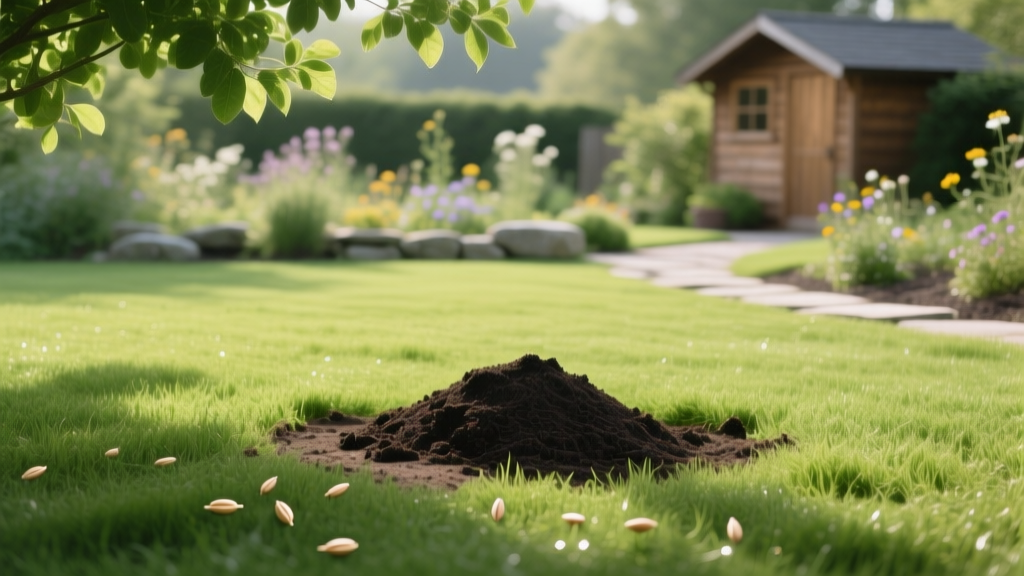
Organic Lawn Renovation: Revive Dead Grass Naturally
James MillerPublished
The Gardener’s Approach to Lawn Renovation and Recovery
When most homeowners look at a patchy, thinning, or entirely dead lawn, their first instinct is often to reach for synthetic fertilizers or chemical herbicides. However, from a dedicated gardening perspective, a lawn is not a synthetic carpet; it is a massive, sprawling garden bed. When turfgrass fails, it is rarely just a 'grass' problem—it is almost always a soil problem. Treating your lawn with the same organic, soil-first principles you would apply to a vegetable garden or a perennial flower bed is the most effective, sustainable way to achieve long-term recovery.
Lawn renovation is the process of revitalizing an existing, struggling turf without completely tearing it out and starting from scratch. By leveraging core gardening techniques like soil testing, core aeration, compost topdressing, and strategic overseeding, you can rebuild the soil food web and cultivate a dense, resilient, and naturally vibrant lawn. According to the University of California Statewide Integrated Pest Management Program, maintaining a healthy lawn ecosystem naturally suppresses weeds and reduces the need for chemical interventions by promoting vigorous root competition.
Step 1: Diagnose the Soil Ecosystem
In gardening, you never plant a seed without understanding the medium it will grow in. The same rule applies to lawn recovery. Before purchasing seed or compost, you must conduct a comprehensive soil test. You can obtain a soil test kit from your local university cooperative extension office or a reputable private agronomic laboratory.
What to Look For in Your Soil Test
- pH Level: Most turfgrasses thrive in a slightly acidic to neutral pH range of 6.0 to 7.0. If your soil is too acidic (below 6.0), you will need to apply agricultural lime. If it is too alkaline (above 7.5), elemental sulfur or acidifying organic matter like peat moss may be required.
- Organic Matter (OM): A healthy lawn soil should contain at least 3% to 5% organic matter. Depleted soils often test below 1%, which severely limits water retention and microbial life.
- Macronutrients (N-P-K): Nitrogen (N) drives blade growth, Phosphorus (P) supports root development, and Potassium (K) aids in stress and drought tolerance. Your soil test will provide exact amendment recommendations based on your specific deficiencies.
Step 2: Alleviate Compaction and Thatch
Over time, foot traffic, heavy mowing equipment, and intense rainfall cause soil particles to compress. This compaction starves grassroots of oxygen and prevents water infiltration. Furthermore, a thatch layer (the intermingled layer of living and dead stems and roots) thicker than 0.5 inches will act like a sponge, holding moisture away from the soil and harboring fungal pathogens.
Core Aeration vs. Liquid Aeration
For severe compaction, mechanical core aeration is non-negotiable. A core aerator pulls 2-to-3-inch plugs of soil from the ground, leaving them on the surface to break down naturally. This process creates physical channels for air, water, and organic amendments to reach the root zone. For lawns with moderate compaction and a heavy reliance on organic biology, liquid aeration products containing humic acids and yucca extracts can help flocculate clay particles over time, though they do not replace the immediate physical relief of core aeration.
Step 3: Compost Topdressing (The Secret Weapon)
This is where the gardening mindset truly transforms lawn care. Topdressing a lawn with high-quality compost introduces billions of beneficial microbes, fungi, and slow-release organic nutrients directly into the aeration holes. The United States Environmental Protection Agency (EPA) notes that composting organic matter and returning it to the soil not only reduces landfill waste but fundamentally improves soil structure, water retention, and disease suppression.
To topdress a lawn, apply a 1/4-inch to 1/2-inch layer of finely screened compost evenly across the turf using a shovel and the back of a landscaping rake, or a specialized compost spreader. Sweep the compost deeply into the aeration holes and down to the soil surface, ensuring the existing grass blades are not completely smothered.
Compost Comparison Chart for Lawn Topdressing
| Compost Type | Nutrient Profile | Best Application | Estimated Cost (per cu. yd.) |
|---|---|---|---|
| Leaf Mold Compost | Low N-P-K, High Carbon | Improving clay soil structure and fungal dominance | $25 - $40 |
| Dairy/Beef Manure Compost | High Nitrogen, Balanced | Severely depleted soils needing rapid organic matter | $30 - $50 |
| Mushroom Compost | Moderate N-P-K, High Calcium | General topdressing (Note: Can be alkaline, test pH first) | $20 - $35 |
| Blend (Yard Waste + Manure) | Balanced, Rich Microbiology | Overall lawn renovation and overseeding prep | $35 - $60 |
Soil is not merely dirt; it is a complex, living ecosystem. By feeding the soil with organic matter, you feed the microbes, which in turn feed your grass. This is the foundation of all successful gardening and sustainable lawn recovery.
Step 4: Strategic Overseeding
Once the soil is prepped, aerated, and enriched with compost, it is time to introduce new genetics to your lawn. Overseeding fills in bare patches, increases turf density, and introduces modern, drought-resistant, and disease-resistant grass cultivars to your existing sward.
Seed Selection and Application Rates
Always choose a seed blend suited to your specific climate zone and sunlight conditions. Cool-season grasses (like Tall Fescue, Kentucky Bluegrass, and Perennial Ryegrass) are best renovated in the early fall, while warm-season grasses (like Bermudagrass and Zoysia) should be renovated in late spring to early summer.
- Tall Fescue: Apply 5 to 8 lbs per 1,000 square feet. Excellent for transition zones and high-traffic areas.
- Kentucky Bluegrass: Apply 2 to 3 lbs per 1,000 square feet. Spreads via rhizomes, creating a dense, self-repairing sod.
- Perennial Ryegrass: Apply 4 to 6 lbs per 1,000 square feet. Germinates rapidly (5-7 days), making it an excellent nurse grass for slower-germinating species.
For optimal seed-to-soil contact, use a slice seeder or drag a heavy piece of chain-link fence over the compost and seed to ensure the seeds are nestled into the top 1/8-inch of the soil.
Step 5: Germination and Moisture Management
The most critical phase of lawn recovery is the first 21 days following overseeding. Grass seed must remain consistently moist to germinate; if the seed dries out even once during this window, the embryo will die, and your renovation efforts will be wasted.
Water the lawn lightly two to three times a day for 10 to 15 minutes per zone. The goal is not to deeply soak the soil, but to keep the top inch of the compost and seed perpetually damp. As the seedlings emerge and establish roots (usually around week three), gradually reduce the frequency of watering while increasing the duration. This encourages the new grassroots to dive deep into the soil profile in search of moisture, building a drought-tolerant foundation.
Step 6: Long-Term Organic Maintenance
Recovering a lawn is only half the battle; maintaining it using organic gardening principles ensures you won't need to renovate again anytime soon. The USDA Natural Resources Conservation Service emphasizes that maintaining soil armor (leaving organic residues on the surface) and minimizing soil disturbance are key tenets of long-term soil health.
- Mow High: Set your mower deck to 3.5 or 4 inches. Taller grass shades the soil, retaining moisture, suppressing weed seed germination, and supporting deeper root growth.
- Leave the Clippings: Grass clippings are essentially free, slow-release nitrogen fertilizer. Leaving them on the lawn returns valuable organic matter back to the soil ecosystem.
- Organic Fertilization: Supplement your lawn 2 to 3 times a year with organic fertilizers derived from feather meal, bone meal, kelp, or alfalfa. These feed the soil microbes, which then process the nutrients into forms the grass roots can absorb.
Conclusion
Lawn renovation and recovery do not require a reliance on harsh synthetic chemicals. By adopting the mindset of an organic gardener—prioritizing soil biology, alleviating compaction, topdressing with nutrient-dense compost, and overseeding with resilient cultivars—you can transform a dead, patchy yard into a thriving, eco-friendly landscape. Treating your lawn as a living garden bed guarantees a deeper root system, natural disease resistance, and a lush, green carpet that sustains both your home's curb appeal and the local environment.
