Lawn Care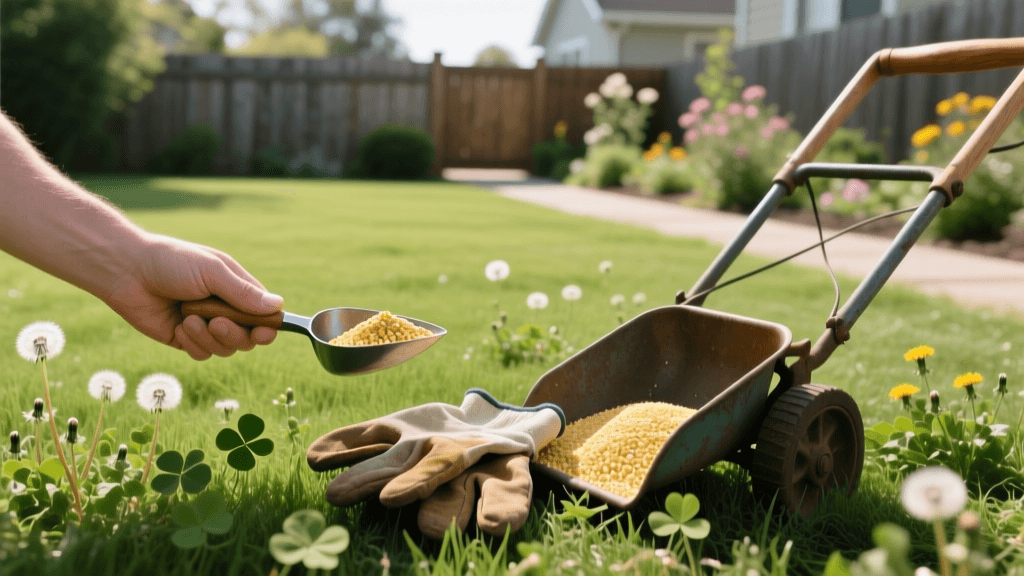
Organic Weed Control for Lawns: Natural Strategies That Work
The Philosophy of Chemical-Free Weed Management
Transitioning to a chemical-free lawn care regimen is one of the most rewarding decisions a homeowner can make for their local ecosystem, their pets, and their family. When we rely on synthetic herbicides, we often treat the symptom—the weed—while ignoring the underlying disease: poor soil health and weak turfgrass. In the realm of organic lawn care, weeds are not viewed as malicious invaders, but rather as biological indicators of soil imbalance. A dandelion might be telling you your soil is compacted, while an influx of clover often signals a nitrogen deficiency.
According to the University of Minnesota Extension, organic lawn care focuses on building healthy soil and dense turf that naturally outcompetes weeds. By shifting your perspective from 'killing weeds' to 'growing resilient grass,' you create a self-sustaining landscape that requires fewer inputs over time. This comprehensive guide will walk you through the most effective, scientifically backed organic weed control strategies, from pre-emergent applications to cultural practices that starve weeds of the light and space they need to thrive.
Corn Gluten Meal: Nature’s Pre-Emergent Powerhouse
For decades, homeowners have relied on synthetic pre-emergent herbicides like pendimethalin to stop crabgrass and other annual weeds before they break the soil surface. However, the most effective organic alternative is corn gluten meal (CGM). Originally discovered by researchers at Iowa State University, CGM is a byproduct of the corn milling process that naturally contains peptides which inhibit root formation in germinating seeds.
How and When to Apply Corn Gluten Meal
To use CGM effectively, timing and application rates are critical. It does not kill existing weeds; it only prevents new seeds from establishing roots.
- Application Rate: Apply 20 pounds per 1,000 square feet of lawn area. This provides the necessary concentration of inhibiting proteins.
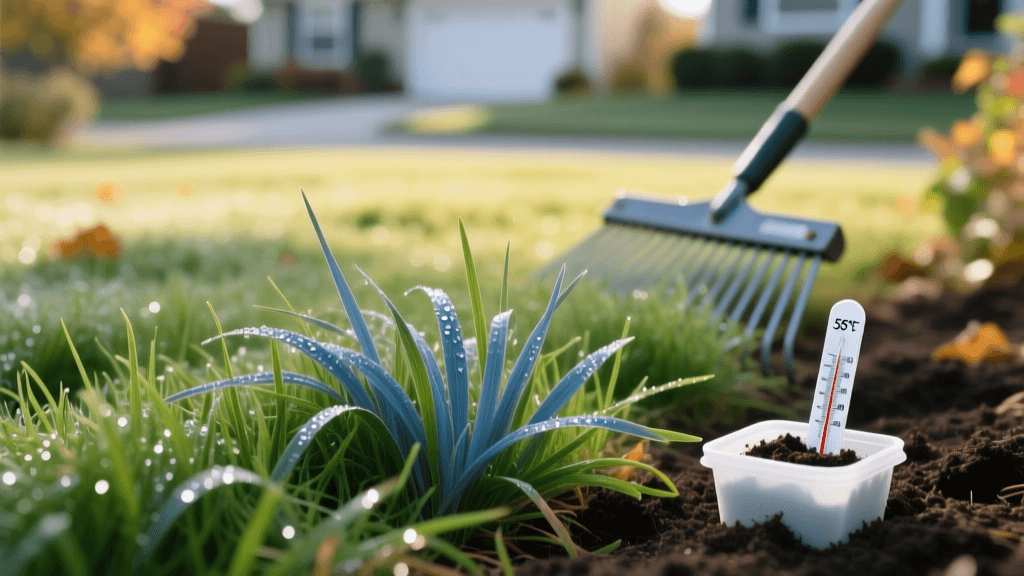
- Spring Timing: Apply when soil temperatures consistently reach 50°F to 55°F at a 2-inch depth. A traditional phenological indicator is when forsythia bushes begin to drop their yellow petals or when lilac buds start to swell.
- Fall Timing: Apply in late summer or early fall (around mid-August to mid-September) to prevent winter annual weeds like henbit and chickweed from germinating.
- Watering: Water the lawn lightly immediately after application to activate the proteins, but allow the top layer of soil to dry out slightly over the next few days to ensure germinating weed seedlings desiccate before they can establish.
A Crucial Caveat: Corn gluten meal is approximately 10% nitrogen by weight. When you apply 20 pounds per 1,000 square feet, you are simultaneously applying 2 pounds of slow-release organic nitrogen. You must factor this into your annual fertilization schedule to avoid over-fertilizing your turf, which can lead to thatch buildup and fungal diseases.
Cultural Practices: Your First Line of Defense
No organic herbicide can compensate for poor lawn maintenance. Research highlighted by Penn State Extension emphasizes that proper mowing heights and irrigation routines are the most powerful weed control tools in an organic arsenal.
Mowing High and Leaving Clippings
Annual weeds like crabgrass and spurge require sunlight to trigger seed germination. By maintaining a mowing height of 3.5 to 4 inches, you create a dense canopy that shades the soil surface, dropping soil temperatures and blocking the UV light weed seeds desperately need. Furthermore, leaving grass clippings on the lawn returns vital organic matter and nitrogen to the soil, feeding the microbial life that supports deep turfgrass roots.
Deep, Infrequent Irrigation
Weeds with shallow root systems, such as nutsedge and certain broadleaf weeds, thrive in lawns that are watered frequently and lightly. To encourage deep turfgrass roots that can access subterranean moisture, water your lawn deeply and infrequently. Aim for 1 to 1.5 inches of water per week, applied in one or two sessions. This allows the top inch of soil to dry out between waterings, creating a hostile environment for shallow-rooted weed seedlings while your deep-rooted turf remains unaffected.
Post-Emergent Organic Weed Control Tactics
When weeds inevitably breach your defenses, organic post-emergent control requires a more hands-on approach. The Environmental Protection Agency (EPA) notes that organic pest and weed control methods often rely on mechanical removal or naturally derived contact herbicides.
Mechanical Extraction
For deep-rooted perennials like dandelions, plantain, and dock, hand-pulling is the most effective organic method. Invest in a high-quality stand-up weed puller with a serrated claw. These tools allow you to extract the entire taproot without bending over, and they remove the weed while leaving a minimal footprint in the turf. Always pull weeds when the soil is moist, such as the day after a heavy rain, to ensure the taproot snaps free rather than breaking off in the ground.
Horticultural Vinegar and Natural Contact Herbicides
For spot treatments, horticultural vinegar (20% to 30% acetic acid) can be used to burn down the foliage of young, annual weeds. Unlike household vinegar (5% acetic acid), horticultural vinegar is a potent contact herbicide that destroys plant cell walls on contact. However, it is non-selective and will damage your turfgrass if oversprayed. It also does not translocate to the roots, meaning established perennials will simply regrow from their root reserves. Use it carefully for weeds popping up in driveway cracks, along fence lines, or in garden bed borders.
Reading Your Weeds: Soil Diagnostics
In organic lawn care, weeds are your soil's way of communicating. By identifying the dominant weed species in your lawn, you can address the underlying soil issues organically:
- White Clover: Indicates low soil nitrogen. Fix this by top-dressing with compost or applying an organic nitrogen source like feather meal or alfalfa meal.
- Dandelions and Broadleaf Plantain: Indicate heavy, compacted soil. Remedy this by performing core aeration in the fall and top-dressing with organic compost to improve soil structure.
- Moss and Creeping Charlie (Ground Ivy): Indicate poor drainage, excessive shade, or highly acidic soil. Aerate to improve drainage, prune tree canopies to increase sunlight, and apply garden lime if a soil test confirms a pH below 6.0.
- Crabgrass and Spurge: Indicate thin turf and bare spots. Overseed these areas in the early fall with a competitive, region-appropriate turfgrass blend.
Organic vs. Synthetic Weed Control: A Comparison
Understanding the trade-offs between organic and synthetic methods is crucial for setting realistic expectations. Transitioning to an organic lawn is a marathon, not a sprint.
| Feature | Organic Weed Control | Synthetic Chemical Control |
|---|---|---|
| Speed of Results | Slow (2-3 years for full ecosystem balance) | Fast (Visible results in days) |
| Soil Health Impact | Builds microbiome and organic matter | Can harm beneficial soil microbes |
| Long-Term Cost | Decreases over time as lawn self-regulates | Remains constant or increases annually |
| Environmental Safety | High (Safe for pets, wildlife, waterways) | Moderate to Low (Runoff risks, toxicity) |
| Weed Resistance | Low (Weeds cannot adapt to physical barriers) | High (Weeds develop chemical resistance) |
Building a Resilient, Weed-Free Soil Ecosystem
Ultimately, the best organic weed control is a thick, vigorous lawn. Overseeding your lawn every fall with a diverse mix of turfgrass species—including modern endophyte-enhanced fescues and perennial ryegrasses—creates a dense turf that leaves no physical room for weed seeds to contact the soil. Endophytes are beneficial fungi that live inside the grass blades, naturally deterring surface-feeding insects like chinch bugs and sod webworms, keeping the grass healthy and competitive.
Combine annual fall overseeding with a light top-dressing of screened compost (about 1/4 inch thick). The compost introduces beneficial bacteria and fungi that break down thatch, improve moisture retention, and make soil nutrients bioavailable to your grass roots. By committing to these chemical-free practices, you will not only eliminate the need for toxic herbicides but also cultivate a vibrant, living soil ecosystem that sustains a lush, green lawn for generations to come.