Home & Garden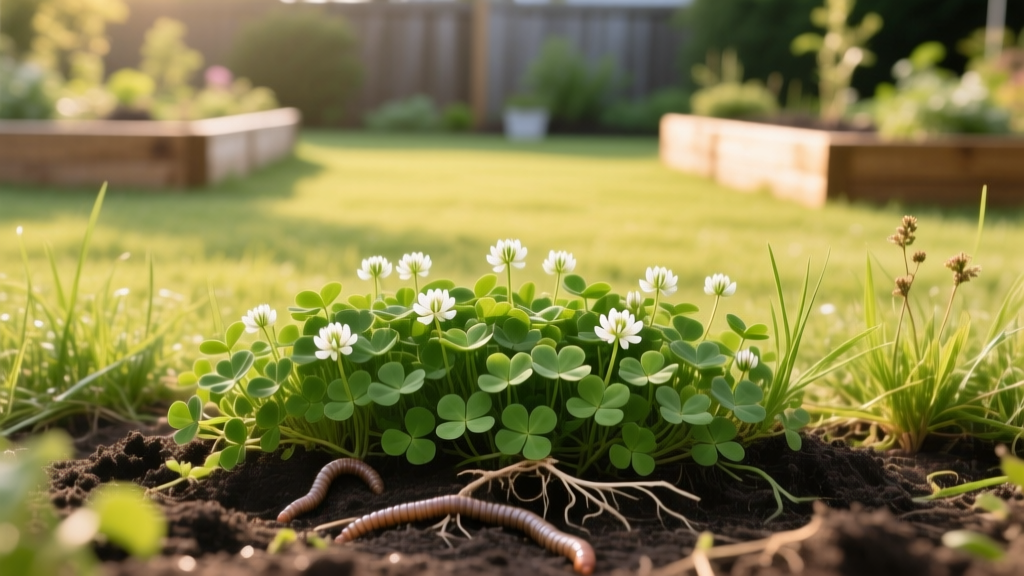
Chemical-Free Lawn Care: Transitioning To Organic Microclover
David ParkPublished
The Environmental Case for Ditching Synthetic Lawn Chemicals
For decades, the pursuit of the perfect, golf-course-green lawn has relied heavily on synthetic fertilizers, chemical herbicides, and excessive irrigation. However, the ecological toll of these practices is becoming impossible to ignore. Synthetic nitrogen fertilizers often leach into local waterways, causing harmful algal blooms and disrupting aquatic ecosystems. Furthermore, broadleaf herbicides can harm beneficial pollinators and degrade the complex soil microbiome that naturally supports plant health.
According to the Environmental Protection Agency (EPA), outdoor water use accounts for nearly a third of all residential water consumption in the United States, with traditional turfgrass being a primary culprit. By shifting toward chemical-free, organic landscaping methods, homeowners can drastically reduce their environmental footprint, conserve water, and create a safer outdoor living space for children and pets. One of the most effective and increasingly popular methods for achieving a lush, chemical-free lawn is transitioning to an organic microclover blend.
What is Microclover and Why is it Organic?
Microclover (Trifolium repens var. 'Pirouette' or similar dwarf varieties) is a specially bred, low-growing legume that has revolutionized organic lawn care. Unlike traditional white clover, which can grow tall and patchy, microclover features smaller leaves, a lower growth habit, and produces far fewer flowers, allowing it to blend seamlessly with turfgrass or thrive as a pure, low-maintenance stand.
The magic of microclover lies in its ability to fix atmospheric nitrogen. Through a symbiotic relationship with Rhizobium bacteria in the soil, clover pulls nitrogen from the air and converts it into a form that plants can use. This natural process completely eliminates the need for synthetic nitrogen fertilizers. The University of Minnesota Extension notes that microclover lawns not only feed themselves but also provide a slow-release, organic nitrogen source to any companion grasses, keeping the entire lawn green throughout the growing season without chemical inputs.
Traditional Turfgrass vs. Organic Microclover Lawns
Understanding the practical differences between a conventional chemical-dependent lawn and an organic microclover lawn highlights why this transition is both economically and ecologically beneficial. Below is a comparison of the annual requirements and costs for a standard 1,000 square foot area.
| Feature | Traditional Kentucky Bluegrass | Organic Microclover Blend |
|---|---|---|
| Nitrogen Fertilizer Needs | 2-4 lbs synthetic N annually | 0 lbs (Fixes own nitrogen) |
| Weekly Water Requirement | 1 to 1.5 inches | 0.5 to 1 inch (Drought tolerant) |
| Mowing Frequency | Weekly during peak season | Bi-weekly or as needed |
| Herbicide Requirement | Frequent broadleaf weed killers | None (Dense canopy chokes weeds) |
| Estimated Annual Cost (per 1k sq ft) | $50 - $120 (Chemicals & Water) | $5 - $15 (Minimal water/seed) |
Step-by-Step Guide to Transitioning Your Lawn
Transitioning to a chemical-free microclover lawn does not require tearing up your existing yard. You can easily overseed your current turf to create a blended, organic lawn. Follow these actionable steps for a successful transition.
Step 1: Soil Testing and Organic Amendment
Before planting, conduct a soil test to determine your pH and organic matter levels. Clover thrives in soil with a pH between 6.0 and 7.0. If your soil is compacted or depleted, top-dress the area with a quarter-inch layer of high-quality organic compost. The Rodale Institute emphasizes that compost introduces essential beneficial microbes and improves soil structure, creating the perfect seedbed for organic lawn establishment without the need for synthetic soil conditioners.
Step 2: Core Aeration and Dethatching
For seed-to-soil contact, which is critical for germination, you must prepare the existing lawn. Rent a core aerator and make two passes over your lawn in perpendicular directions. Follow this with a heavy raking or use a power dethatcher to remove dead organic matter (thatch). Leave the soil plugs on the lawn; they will break down naturally and help inoculate the surface with beneficial soil organisms.
Step 3: Selecting and Sowing the Seed
Purchase high-quality, certified organic microclover seed. Expect to pay between $30 and $50 per pound. For overseeding an existing lawn, the recommended application rate is 1 to 2 pounds of seed per 1,000 square feet. If you are establishing a pure microclover lawn from bare soil, increase the rate to 5 pounds per 1,000 square feet.
Pro Tip: Microclover seeds are incredibly fine. To ensure even distribution, mix the seed with dry masonry sand at a ratio of 1 part seed to 3 parts sand. Broadcast the mixture using a standard drop spreader.
Step 4: Timing and Germination
The optimal window for planting microclover is late summer to early fall (August 15 through September 30). The soil is still warm, which encourages rapid germination, but the cooler autumn air reduces heat stress and water evaporation. Keep the top inch of soil consistently moist by watering lightly 2 to 3 times a day for the first 10 to 14 days until seedlings emerge.
Organic Maintenance: Mowing, Watering, and Weed Control
Once established, an organic microclover lawn requires significantly less maintenance than traditional turf, but it still demands specific organic practices to thrive.
- Mowing Height: Set your mower blade to 3 inches. This height shades the soil, conserves moisture, and prevents weed seeds from receiving the sunlight they need to germinate. Microclover naturally grows to about 4 to 6 inches, so mowing every two weeks is usually sufficient to maintain a tidy appearance.
- Deep Watering: While microclover is highly drought-tolerant and will go dormant (turning slightly brown) during severe dry spells, it will quickly green up once rain returns. If you choose to irrigate during peak summer heat, water deeply and infrequently—about 1 inch of water once a week—to encourage deep root growth.
- Organic Pre-Emergent Weed Control: To prevent crabgrass and other annual weeds without using chemical herbicides, apply Corn Gluten Meal (CGM) in early spring when soil temperatures reach 55°F. Apply CGM at a rate of 20 pounds per 1,000 square feet. CGM inhibits root formation in germinating weed seeds and breaks down into a natural, slow-release nitrogen fertilizer for your clover and grass.
Troubleshooting Common Organic Lawn Issues
Even chemical-free lawns can encounter pests or diseases. The organic approach focuses on biological controls and ecosystem balance rather than eradication via toxins.
Grub Infestations: If you notice brown patches and animals digging in your lawn, you may have a grub problem. Instead of applying toxic pesticides, use Beneficial Nematodes (specifically Heterorhabditis bacteriophora). These microscopic organisms are applied via a hose-end sprayer in late summer and naturally hunt and destroy grub larvae in the soil without harming earthworms or beneficial insects.
Fungal Diseases: Microclover is highly resistant to most turf diseases, including dollar spot and brown patch. However, if poor drainage causes fungal issues, aerate the soil and apply compost tea to introduce competitive, beneficial bacteria that outcompete fungal pathogens.
Conclusion: Embracing the Organic Outdoor Living Space
Transitioning to a chemical-free microclover lawn is a powerful step toward sustainable home and garden living. By eliminating synthetic fertilizers and herbicides, you protect local watersheds, support vital pollinator populations, and create a soft, resilient, and lush outdoor space for your family. While the initial transition requires some labor and patience, the long-term rewards of reduced maintenance, lower water bills, and a thriving, natural ecosystem make the organic approach an undeniable victory for the modern homeowner.
