Gardening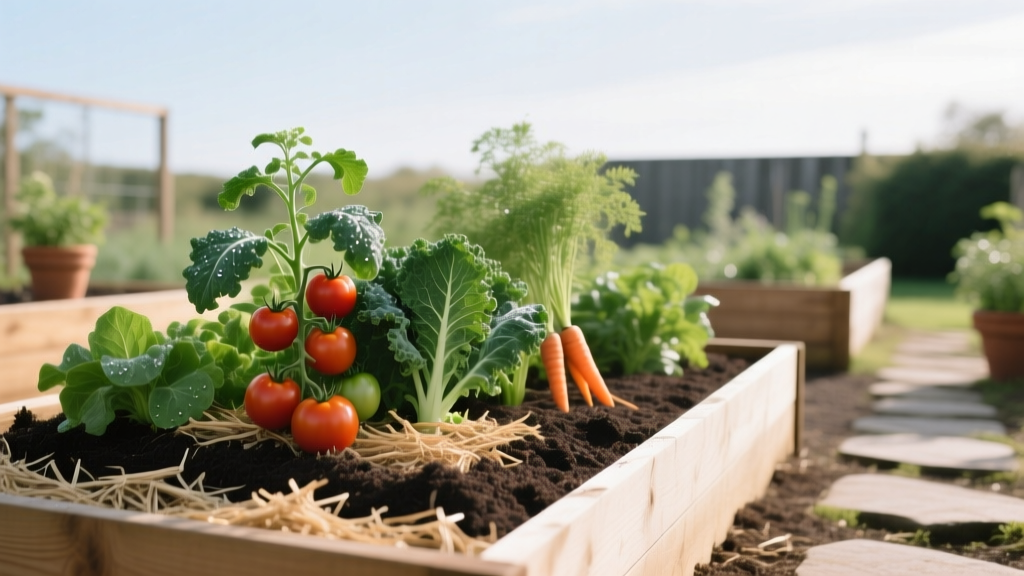
Organic No-Dig Gardening: Build Chemical-Free Beds
Emily WatsonPublished
The Philosophy and Science Behind No-Dig Gardening
For decades, the conventional wisdom in vegetable gardening dictated that you must aggressively till and turn the soil every spring, often relying on synthetic fertilizers and chemical herbicides to manage the resulting weed flush and nutrient deficiencies. However, a growing movement of organic gardeners and regenerative farmers are embracing a different approach: no-dig gardening. This chemical-free methodology focuses on building soil health from the top down, mimicking the natural processes of forest floors and wild meadows where organic matter decomposes on the surface.
The science behind no-dig gardening is rooted in the preservation of the soil food web. When you till the soil, you disrupt complex networks of mycorrhizal fungi, destroy earthworm habitats, and expose dormant weed seeds to the sunlight, triggering mass germination. According to the USDA Natural Resources Conservation Service, minimizing soil disturbance is one of the core principles of soil health management systems. By leaving the soil structure intact and feeding it with organic matter, you foster a thriving microbiome that naturally suppresses diseases, retains moisture, and makes nutrients bioavailable to your plants without the need for chemical interventions.
Why Avoid Tilling and Chemicals?
Transitioning to a chemical-free, no-dig system offers profound benefits for both the environment and the gardener. Synthetic fertilizers often provide a quick burst of nitrogen but fail to build long-term soil organic matter. Over time, they can acidify the soil and harm beneficial microbial life. Herbicides, while effective at killing weeds, can leave residual compounds in the soil that may affect sensitive crops and beneficial insects.
By utilizing a no-dig approach, you eliminate the need for these chemicals entirely. The physical barrier of cardboard smothering weeds replaces herbicides, while nutrient-dense organic compost replaces synthetic fertilizers. Furthermore, no-dig gardening is incredibly labor-saving. Once the initial bed is built, the annual maintenance involves simply adding a layer of compost to the surface, drastically reducing the hours spent weeding and tilling.
Materials Needed for a 4x8 Foot Organic No-Dig Bed
Building a no-dig bed requires a few specific materials. It is crucial to source OMRI-listed (Organic Materials Review Institute) compost and mulches to ensure no synthetic chemical residues or persistent herbicides are introduced into your garden ecosystem. Below is a breakdown of the materials required for a standard 4-foot by 8-foot raised or ground-level bed.
| Material | Quantity (4x8 Bed) | Purpose | Est. Cost |
|---|---|---|---|
| Plain Corrugated Cardboard | 40 sq ft | Weed suppression, grass smothering | $0 (Recycled) |
| OMRI-Listed Organic Compost | 1.5 cubic yards | Nutrient base, soil structure | $60 - $90 |
| Organic Straw or Leaf Mold | 4-5 bales/bags | Top mulch, moisture retention | $30 - $50 |
| Organic All-Purpose Fertilizer | 2 lbs | Initial micronutrient boost | $15 - $20 |
Note: Avoid using waxed cardboard, cardboard with heavy colored inks, or hay that has been treated with persistent broadleaf herbicides (like aminopyralid), as these can survive the composting process and severely damage your vegetable crops.
Step-by-Step Guide to Building Your Chemical-Free Bed
Step 1: Site Preparation and Smothering
Choose a location that receives at least six to eight hours of direct sunlight daily. Unlike traditional gardening, you do not need to remove the existing grass or weeds. Simply mow or trim the vegetation as short as possible. Next, lay down your corrugated cardboard directly over the mowed area. Ensure that the edges of the cardboard overlap by at least 6 inches to prevent aggressive perennial weeds, such as bindweed or bermudagrass, from finding a gap and pushing through. Remove any plastic tape or staples from the cardboard before laying it down. Once the cardboard is in place, water it thoroughly until it is completely saturated. This initiates the breakdown process and makes the cardboard more attractive to earthworms.
Step 2: The Organic Compost Layer
The core of your no-dig bed is the compost layer. You will need a substantial amount of organic matter to create a deep, fertile planting zone. Spread a 4 to 6-inch layer of high-quality, OMRI-listed organic compost directly on top of the wet cardboard. If you are building in the spring and plan to plant heavy feeders like tomatoes or squash, mix in a couple of pounds of organic, slow-release all-purpose fertilizer (such as a blend of alfalfa meal, kelp meal, and rock phosphate) into the top few inches of the compost. This layer will serve as the primary growing medium for your plants' root systems while the cardboard below slowly decomposes and integrates into the native soil.
Step 3: Mulching for Moisture and Weed Control
To protect your compost from drying out and to further suppress any opportunistic weeds, apply a 2-inch layer of organic mulch. Seed-free straw, shredded autumn leaves, or leaf mold are excellent chemical-free choices. This mulch layer acts as an insulating blanket, regulating soil temperature and retaining moisture, which significantly reduces the need for frequent watering. As the Royal Horticultural Society (RHS) notes, regular mulching in a no-dig system is essential for maintaining soil structure and providing a steady, slow-release food source for soil organisms.
Planting in Your New Chemical-Free Bed
One of the most common questions regarding no-dig gardening is how to plant without digging holes through the cardboard. The beauty of this system is that you only need to plant in the compost layer. For transplants (like tomatoes, peppers, and brassicas), simply pull back the mulch, scoop out a small hole in the compost just large enough to accommodate the root ball, and plant as you normally would. Water the transplant deeply to help it establish.
For direct-sown seeds (like carrots, radishes, and beans), pull back the mulch to expose the compost, sow your seeds according to the packet's depth instructions, and cover them lightly with fine compost or vermiculite. Do not replace the thick mulch layer over the seeds until they have germinated and grown a few inches tall. The roots of your plants will naturally navigate around the decomposing cardboard and penetrate the native soil below by the time the cardboard fully breaks down, which usually takes a single growing season.
Long-Term Organic Maintenance and Soil Feeding
Maintaining a no-dig garden is remarkably simple and entirely chemical-free. At the end of the growing season, or early the following spring, you do not need to till or turn the soil. Instead, practice the 'chop and drop' method: cut your spent vegetable plants off at soil level, leaving their roots in the ground to decompose and add organic matter deep into the soil profile. Then, apply a fresh 1-to-2-inch layer of organic compost over the entire bed, followed by a fresh layer of mulch. This annual top-dressing replenishes the nutrients consumed by the previous year's crops and maintains the physical barrier against weeds.
Chemical-Free Pest and Weed Management
Even with a cardboard barrier, some wind-blown weed seeds may land in your compost, and pests will inevitably visit your garden. In a chemical-free system, management relies on observation and organic interventions. Weeds in a no-dig bed are notoriously easy to pull because the soil structure remains loose and crumbly, undisturbed by heavy tilling. Simply hand-pull weeds when they are small, ensuring you do not disturb the soil surface.
For pest management, embrace Integrated Pest Management (IPM) strategies. The University of California Statewide Integrated Pest Management Program recommends fostering beneficial insect populations by planting companion flowers like yarrow, dill, and alyssum alongside your vegetables. If pest populations like aphids or caterpillars become problematic, rely on organic, OMRI-listed treatments such as cold-pressed neem oil, insecticidal soaps, or Bacillus thuringiensis (Bt). These targeted, natural solutions break down quickly in the environment and do not harm the complex soil food web you have worked so hard to cultivate beneath your no-dig beds.
Conclusion
Building an organic, no-dig vegetable garden is a profound shift away from the chemical-dependent, labor-intensive practices of the past. By utilizing simple, accessible materials like recycled cardboard and organic compost, you can create a highly productive, resilient growing space. This chemical-free approach not only yields vibrant, nutrient-dense vegetables but also actively regenerates the local ecosystem, turning your backyard into a thriving hub of biodiversity and soil health for years to come.
