Home & Garden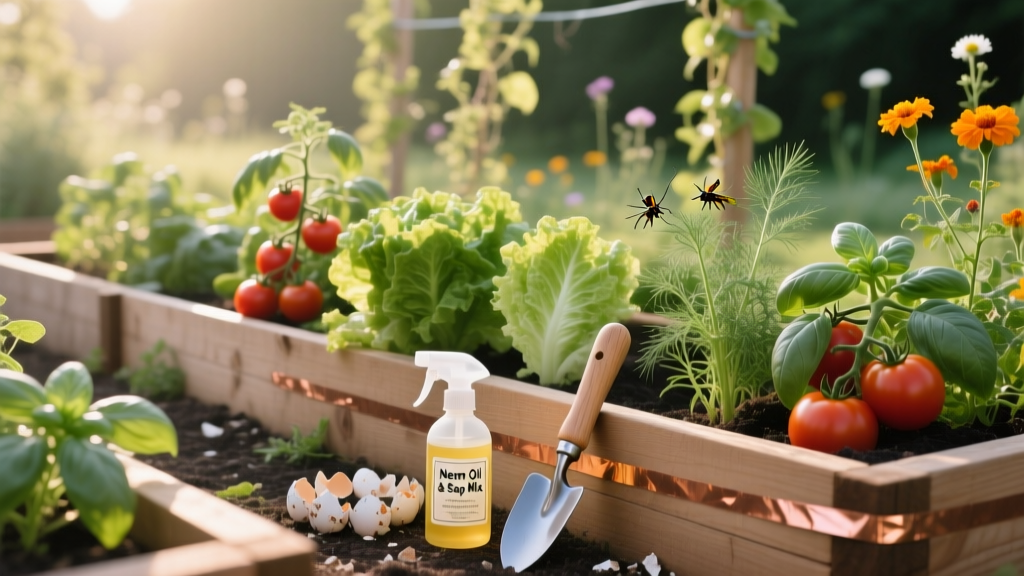
Chemical-Free Pest Control for Raised Bed Vegetable Gardens
Lisa ThompsonPublished
Gardening is a deeply rewarding bridge between the natural world and our kitchen tables. However, when you cultivate a lush, garden-to-table vegetable patch, you are also rolling out the welcome mat for a variety of hungry insects. Aphids, tomato hornworms, cabbage loopers, and flea beetles can decimate a season's hard work in a matter of days. While reaching for synthetic chemical pesticides might seem like the quickest fix, these products can degrade your soil microbiome, harm essential pollinators, and leave unwanted residues on the very food you intend to eat.
Fortunately, maintaining a thriving, productive raised bed garden without synthetic chemicals is entirely possible. By adopting a proactive, nature-aligned strategy, you can manage pest populations effectively while keeping your outdoor living space safe for children, pets, and beneficial wildlife.
The Philosophy of Organic Pest Management
Chemical-free gardening relies heavily on Integrated Pest Management (IPM). According to the Environmental Protection Agency (EPA), IPM is an effective and environmentally sensitive approach to pest management that relies on a combination of common-sense practices. Rather than aiming for total eradication—which disrupts the local ecosystem—IPM focuses on keeping pest populations below the threshold of economic or aesthetic damage.
In a raised bed environment, this means prioritizing prevention, monitoring, and mechanical controls before ever resorting to organic sprays. It requires a shift in mindset: viewing your garden as a holistic ecosystem where a few pests are simply a food source for the beneficial insects you want to attract.
Companion Planting: Nature's Chemical-Free Defense
Companion planting is a cornerstone of organic gardening. By strategically placing certain plants near one another, you can naturally deter pests, attract predatory insects, and even improve crop flavor. As noted by The Old Farmer's Almanac, some plants emit strong scents that mask the aroma of your vulnerable crops, confusing pests that rely on smell to find their hosts.
Below is a practical companion planting chart tailored for common raised bed vegetables:
| Main Crop | Companion Plant | Pest Deterred | Mechanism of Action |
|---|---|---|---|
| Tomatoes | Basil, Marigolds | Hornworms, Nematodes | Masks host scent; root exudates repel nematodes |
| Brassicas (Kale, Broccoli) | Nasturtiums | Cabbage Loopers, Aphids | Acts as a trap crop, drawing pests away |
| Carrots | Onions, Leeks, Chives | Carrot Rust Flies | Strong allium odor masks the scent of carrots |
| Cucumbers | Radishes | Cucumber Beetles | Trap cropping; beetles prefer radish leaves |
| Peppers | Alyssum, Dill | Aphids, Mites | Attracts ladybugs and parasitic wasps |
Formulating DIY Organic Sprays
When preventative measures and companion planting aren't enough to stop an active infestation, organic sprays can provide targeted relief. Unlike synthetic chemicals, these DIY formulations break down quickly in the environment and leave no toxic residue on your harvest. Always apply sprays in the early morning or late evening to avoid leaf burn from the sun and to protect foraging bees.
Cold-Pressed Neem Oil Emulsion
Neem oil is extracted from the seeds of the neem tree and acts as an antifeedant and hormone disruptor for insects. The National Pesticide Information Center (NPIC) highlights that neem oil is practically non-toxic to birds, fish, bees, and wildlife, making it an excellent choice for organic gardeners.
- Recipe: Mix 1 teaspoon of cold-pressed, 100% pure neem oil with 1/2 teaspoon of mild liquid castile soap (which acts as an emulsifier) in a 1-quart spray bottle filled with warm water.
- Application: Shake vigorously and spray directly on pests and the undersides of leaves. Repeat every 7 to 14 days as needed.
Insecticidal Castile Soap Spray
Soft-bodied insects like aphids, whiteflies, and spider mites are highly susceptible to desiccation caused by fatty acids in soap. This spray works on contact, meaning you must directly hit the pests for it to be effective.
- Recipe: Combine 1.5 tablespoons of pure liquid castile soap (avoid degreasers or detergents with added fragrances) with 1 quart of distilled water.
- Application: Spray heavily on infested areas. Once the solution dries, it is no longer active, so thorough coverage is essential.
Garlic and Capsaicin Repellent
For chewing pests like flea beetles and grasshoppers, a spicy garlic spray acts as a powerful olfactory and gustatory deterrent.
- Recipe: Puree 2 whole heads of garlic and 2 hot peppers (like habanero or jalapeño) with 1 cup of water. Let the mixture sit overnight, strain it through a fine mesh sieve or cheesecloth, and dilute the liquid into 1 gallon of water with a few drops of castile soap to help it stick to the foliage.
- Application: Mist the perimeter of your raised beds and the leaves of vulnerable crops. Reapply after heavy rain.
Physical Barriers and Biological Controls
Sometimes the most effective chemical-free approach is simply blocking the pests from reaching your plants. Floating row covers made from spun-bonded polypropylene (such as Agribon-15) allow sunlight and rain to penetrate while creating an impenetrable physical barrier against flying insects like cabbage moths and carrot rust flies. Ensure the edges are buried or weighed down with soil to prevent crawling insects from slipping underneath.
Biological controls involve introducing or encouraging natural predators. You can purchase live ladybugs or green lacewings from garden supply centers to release into your raised beds at dusk. Additionally, applying beneficial nematodes (specifically Heterorhabditis bacteriophora) to your soil in the spring can naturally decimate the grub and larval stages of pests like Japanese beetles and cutworms before they ever reach the surface.
Soil Health: The Ultimate Preventative Measure
The foundation of any chemical-free garden is its soil. Plants grown in nutrient-dense, biologically active soil are naturally more resistant to pest attacks. Pests are essentially nature's garbage collectors; they target weak, stressed plants that emit specific chemical distress signals. By amending your raised beds annually with high-quality organic compost, you introduce beneficial mycorrhizal fungi and bacteria that help plant roots uptake nutrients more efficiently.
Mulching the surface of your raised beds with organic straw or shredded leaves not only retains moisture and suppresses weeds but also provides a habitat for ground beetles and spiders, which are voracious predators of garden pests. Avoid using synthetic fertilizers, which promote rapid, sappy growth that is highly attractive to aphids and other sap-sucking insects.
Conclusion
Transitioning to a chemical-free approach in your raised bed vegetable garden requires patience and observation. You will inevitably see some insect damage on your leaves, but this is a sign of a healthy, functioning ecosystem. By combining the strategic use of companion planting, DIY organic sprays, physical barriers, and a deep commitment to soil health, you can cultivate a vibrant garden that yields a safe, abundant, and delicious harvest for your table year after year.
