Home & Garden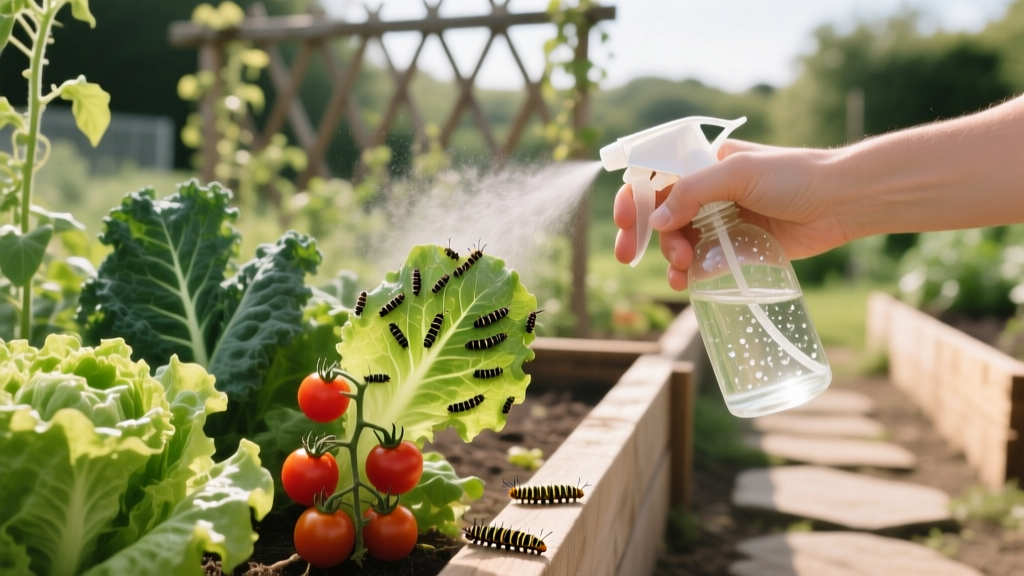
Natural Pest Control Sprays for Garden-to-Table Crops
Sarah ChenPublished
The Philosophy of Chemical-Free Edible Gardening
The garden-to-table movement is rooted in a simple but profound philosophy: the food we grow should nourish our bodies without introducing synthetic toxins into our ecosystem. When cultivating an edible landscape, whether in expansive backyard raised beds or compact patio container gardens, the transition from seed to plate must remain untainted by harsh chemical pesticides. Synthetic insecticides and fungicides can leave harmful residues on your tomatoes, peppers, and leafy greens, while simultaneously degrading the vital soil microbiome that makes organic gardening so rewarding.
Transitioning to a chemical-free approach does not mean surrendering your harvest to aphids, caterpillars, or powdery mildew. Instead, it requires a strategic shift toward botanical interventions, biological controls, and proactive garden management. According to the Environmental Protection Agency (EPA), biopesticides and naturally derived alternatives are generally less toxic than conventional pesticides, targeting specific pests while leaving beneficial pollinators like bees and ladybugs unharmed when applied correctly.
Preparing Your Garden Beds for Organic Success
Before reaching for any spray, organic pest management begins in the soil. Plants grown in rich, biologically active soil possess a natural immunity to severe pest damage. Incorporating high-quality organic compost and mycorrhizal fungi into your raised beds builds a robust root system. Healthy plants produce their own defensive compounds, such as tannins and alkaloids, which naturally deter soft-bodied insects. Furthermore, maintaining a thick layer of organic mulch around your garden-to-table crops regulates soil moisture, suppresses competing weeds, and provides a habitat for ground beetles and spiders—predatory insects that act as your first line of defense against garden pests.
Essential DIY Organic Spray Recipes
When preventative measures are not enough, botanical sprays offer a powerful, chemical-free intervention. Below are three highly effective, low-cost DIY recipes designed specifically for edible gardens.
1. Cold-Pressed Neem Oil Emulsion
Neem oil is a cornerstone of organic gardening. Extracted from the seeds of the neem tree, it contains azadirachtin, a compound that disrupts the life cycle of insects at all stages, from egg to adult. The National Pesticide Information Center notes that neem oil acts as an antifeedant and insect growth regulator, making it highly effective against aphids, whiteflies, and squash bugs.
- Ingredients: 1 teaspoon cold-pressed neem oil, 1/2 teaspoon liquid castile soap (acts as an emulsifier), 1 quart warm water.
- Preparation: Mix the soap and warm water first, then slowly whisk in the neem oil until the liquid turns milky white.
- Cost: Approximately $0.25 per quart.
- Application: Spray thoroughly on the tops and undersides of leaves during the early evening to avoid leaf burn and protect daytime pollinators.
2. Capsaicin and Allium Repellent Spray
For chewing insects like cabbage loopers, tomato hornworms, and flea beetles, a spicy garlic spray acts as a potent sensory deterrent. The capsaicin in hot peppers irritates the soft bodies of insects, while the sulfur compounds in garlic mask the scent of your host plants.
- Ingredients: 1 whole bulb of garlic (peeled), 1 tablespoon cayenne pepper powder, 1 quart water, 1 teaspoon liquid castile soap.
- Preparation: Blend the garlic and water in a blender until smooth. Let the mixture steep overnight, then strain it through a fine mesh sieve or cheesecloth. Stir in the cayenne pepper and castile soap.
- Cost: Approximately $0.50 per quart.
- Application: Apply to the foliage of brassicas and nightshades every 5 to 7 days, or immediately after a heavy rain.
3. Potassium Bicarbonate Fungicide
Garden-to-table staples like zucchini, cucumbers, and tomatoes are highly susceptible to powdery mildew and early blight. Baking soda (sodium bicarbonate) or potassium bicarbonate alters the pH on the leaf surface, creating an environment where fungal spores cannot germinate.
- Ingredients: 1 tablespoon baking soda, 1 tablespoon horticultural oil or neem oil, 1 gallon water.
- Preparation: Dissolve the baking soda in water, then add the oil and shake vigorously.
- Cost: Less than $0.10 per gallon.
- Application: Apply as a preventative measure every 10 days, starting when plants begin to vine or set fruit.
Smart Home Integration for Organic Garden Monitoring
Bridging outdoor gardening with modern smart home technology can significantly enhance your chemical-free pest management strategy. Overwatering and damp foliage are primary catalysts for fungal diseases and fungus gnat infestations. By integrating a smart Wi-Fi irrigation controller paired with soil moisture sensors, you can automate your watering schedule to occur strictly at dawn. This ensures the foliage dries quickly in the morning sun, drastically reducing the need for chemical fungicides.
Additionally, utilizing smart outdoor cameras with macro-lens capabilities or motion-activated alerts can help you monitor for wildlife intrusion or the early arrival of pest swarms, such as squash vine borers, allowing you to deploy physical barriers or botanical sprays before an infestation becomes unmanageable.
Application Rules and Safety Intervals
Even organic, chemical-free sprays require careful handling. Botanical oils can cause phytotoxicity (leaf burn) if applied in direct, hot sunlight or if mixed too strongly. Always perform a patch test on a single leaf and wait 24 hours before treating the entire plant. Below is a structured guide for applying these organic treatments safely.
| Organic Spray | Target Pests / Diseases | Application Timing | Reapplication Interval | Pre-Harvest Interval (PHI) |
|---|---|---|---|---|
| Neem Oil Emulsion | Aphids, Whiteflies, Mites | Early Evening / Dusk | Every 7-14 days | 0 Days (Wash before eating) |
| Garlic & Pepper Spray | Caterpillars, Flea Beetles | Early Morning / Evening | Every 5-7 days | 1 Day |
| Baking Soda Fungicide | Powdery Mildew, Blight | Overcast Day / Morning | Every 10 days | 1 Day |
Beyond Sprays: Companion Planting for Prevention
The most effective chemical-free pest control strategy is one that prevents pests from settling in your garden in the first place. Companion planting leverages natural plant synergies to repel pests and attract beneficial predatory insects. Experts at the University of Minnesota Extension recommend diversifying plantings to disrupt pest host-finding behaviors.
- Nasturtiums: Act as a brilliant trap crop. Aphids will flock to nasturtiums, drawing them away from your prized kale and tomatoes.
- French Marigolds: Their roots exude compounds that deter root-knot nematodes in the soil, protecting the roots of your peppers and eggplants.
- Sweet Alyssum: This low-growing flower attracts hoverflies and parasitic wasps, which are voracious predators of garden-to-table pests like aphids and hornworms.
Conclusion
Maintaining a thriving, chemical-free garden-to-table landscape requires observation, patience, and a willingness to work alongside nature rather than against it. By utilizing DIY botanical sprays, leveraging smart home irrigation technology, and embracing companion planting, you can protect your edible harvest organically. The result is not only a safer environment for your family and local pollinators but also vegetables that boast the pure, unadulterated flavors that only true organic gardening can provide.
