
Landscaping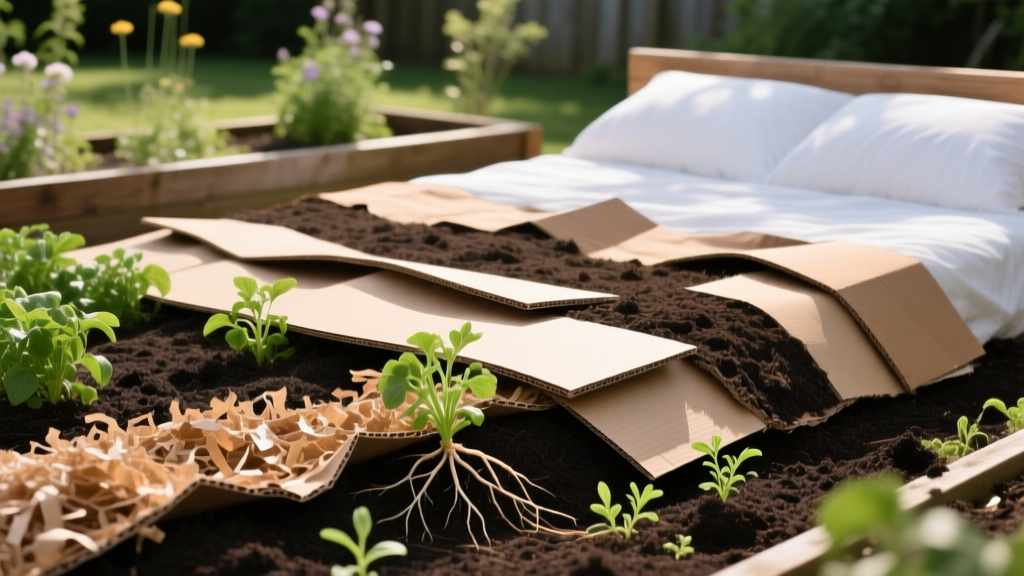
Organic Weed Control in Landscape Beds: Sheet Mulching
David ParkPublished
The Hidden Costs of Chemical Herbicides in Landscape Beds
Maintaining pristine landscape beds often feels like an endless battle against aggressive weeds. For decades, the default solution for homeowners and commercial landscapers alike has been reaching for synthetic herbicides, such as glyphosate-based sprays or pre-emergent chemical barriers. While these products offer a quick fix, their long-term impacts on the surrounding ecosystem are profound. Synthetic herbicides do not discriminate; they can harm beneficial soil microbes, disrupt local food webs, and leach into groundwater or run off into nearby storm drains, ultimately affecting local waterways and aquatic life.
As environmental awareness grows, the demand for sustainable, chemical-free landscaping has surged. Homeowners are increasingly seeking organic alternatives that protect their families, pets, and local pollinators while still achieving a manicured, weed-free aesthetic. According to the United States Department of Agriculture (USDA), organic practices focus on fostering resource cycling, promoting ecological balance, and conserving biodiversity. Applying these principles to your home landscape means moving away from toxic sprays and embracing biological, mechanical, and cultural weed management strategies.
What is Sheet Mulching?
One of the most effective, labor-saving, and soil-building organic weed control methods available to modern landscapers is sheet mulching. Often referred to as 'lasagna gardening' or 'compost mulching,' sheet mulching is a permaculture technique that mimics the natural accumulation of organic matter found on a forest floor. In nature, leaves, twigs, and decaying wood fall to the ground, creating a thick, protective layer that suppresses weed seeds, retains soil moisture, and slowly breaks down to feed the soil food web.
Sheet mulching replicates this process by layering biodegradable weed barriers, nitrogen-rich compost, and carbon-rich bulk mulch directly over existing weeds or turf. Instead of exhausting yourself by hand-pulling deep-rooted perennial weeds or poisoning the soil with chemicals, you simply smother the weeds, depriving them of sunlight. As the weeds die and decompose, they add valuable organic matter back into the earth, transforming a weedy, compacted patch of dirt into a rich, fertile planting bed.
Step-by-Step Guide to Chemical-Free Sheet Mulching
To successfully implement sheet mulching in your landscape beds, follow these precise, actionable steps. Proper execution is critical to ensure that aggressive weeds like bindweed, bermudagrass, or nutsedge are fully suppressed.
Step 1: Site Preparation and Weed Flattening
Do not waste time and energy pulling weeds or tilling the soil. Tilling actually brings dormant weed seeds to the surface, exposing them to sunlight and triggering germination. Instead, use a string trimmer, lawnmower, or even a heavy rake to knock down existing vegetation as close to the ground as possible. Leave the clippings and root systems right where they are; as they decompose, they will provide a foundational layer of nutrients and help maintain soil structure.
Step 2: Lay the Biodegradable Weed Barrier
The core of the sheet mulching technique is the barrier layer. Corrugated cardboard is the gold standard for this step. Collect large, heavy-duty cardboard boxes from appliance stores or local retailers. Remove all plastic shipping tape, staples, and glossy labels, as these will not decompose. Lay the cardboard directly over the flattened weeds, ensuring that every piece overlaps the next by at least 6 to 8 inches. Weeds are opportunistic and will exploit even the smallest gap to reach sunlight. Once the cardboard is laid out, thoroughly soak it with a garden hose until it is completely saturated and conforms to the contours of the soil.
Step 3: Apply the Nitrogen-Rich Compost Layer
Next, add a 2 to 3-inch layer of high-quality organic compost or well-aged animal manure directly on top of the wet cardboard. This layer serves two purposes: it introduces beneficial microorganisms that will accelerate the breakdown of the cardboard and underlying weeds, and it provides a nutrient-dense environment for future plant roots. The Environmental Protection Agency (EPA) notes that composting and applying compost enriches soil, helps retain moisture, and reduces the need for chemical fertilizers, making it a cornerstone of organic land management.
Step 4: Add the Carbon-Rich Bulk Mulch
The final layer is the protective top dressing. Apply a 3 to 4-inch layer of bulk organic mulch over the compost. Arborist wood chips are widely considered the best choice for landscape beds because they are long-lasting, aesthetically pleasing, and provide an excellent carbon-to-nitrogen ratio. Other acceptable options include shredded hardwood bark, pine straw, or leaf mold. This thick top layer blocks any residual light, weighs down the cardboard, and gives the landscape bed a finished, professional appearance.
Choosing the Right Mulch Materials
Not all mulches are created equal when it comes to organic weed suppression and soil health. Understanding the nuances of different materials will help you make the best choice for your specific landscape.
- Arborist Wood Chips: Often available for free from local tree service companies, these chips include a mix of wood, bark, and green leaves. The green matter provides nitrogen, while the wood provides long-lasting carbon. They interlock beautifully, making it difficult for weeds to penetrate.
- Shredded Hardwood Bark: A commercial staple that looks highly formal. It decomposes slower than softwoods and provides excellent weed suppression, though it can sometimes form a mat if not occasionally fluffed.
- Pine Straw: Ideal for acid-loving plants like azaleas, rhododendrons, and blueberries. It is lightweight, easy to spread, and allows water to penetrate easily, though it may need to be replenished more frequently than wood chips.
- Cocoa Bean Hulls: While they smell wonderful and look great, they can be toxic to dogs if ingested. Use with caution in pet-friendly landscapes.
Organic Weed Control Methods Compared
How does sheet mulching stack up against other common organic and conventional weed control strategies? The table below breaks down the costs, longevity, and ecological impacts of various methods to help you make an informed landscaping decision.
| Weed Control Method | Est. Cost (per 100 sq ft) | Suppression Longevity | Impact on Soil Health | Labor Intensity |
|---|---|---|---|---|
| Sheet Mulching (Cardboard + Wood Chips) | $15 - $25 | 12 - 24 Months | Highly Beneficial (Builds topsoil) | Moderate (Initial setup only) |
| Hand Pulling & Hoeing | $0 (Labor only) | 2 - 4 Weeks | Neutral to Disruptive | Extremely High (Ongoing) |
| Horticultural Vinegar (20% Acetic Acid) | $10 - $15 | 1 - 2 Weeks (Contact only) | Harmful (Lowers soil pH, kills microbes) | Moderate (Requires frequent reapplication) |
| Woven Synthetic Landscape Fabric | $30 - $50 | 3 - 5 Years | Harmful (Blocks gas exchange, degrades into microplastics) | High (Installation and eventual removal) |
| Corn Gluten Meal (Organic Pre-emergent) | $20 - $30 | 4 - 6 Weeks | Beneficial (Adds nitrogen) | Low (Broadcast spreading) |
Timing, Costs, and Material Sourcing
The absolute best time to install a sheet mulch system is in the autumn. The cooler, wetter weather encourages earthworm activity and microbial breakdown, ensuring that the cardboard and underlying weeds are fully decomposed by the time you are ready to plant in the spring. However, if you are converting a small bed or working around existing established plants, sheet mulching can be done at any time of the year, provided you keep the mulch layers adequately watered.
Cost-wise, sheet mulching is incredibly economical. Corrugated cardboard can usually be sourced for free from local grocery stores, appliance retailers, or recycling centers. Bulk arborist wood chips can often be obtained for free by contacting local arborists or using municipal chip-dropping services. The primary expense will be the organic compost, which typically costs between $30 and $50 per cubic yard when purchased in bulk from a local landscape supply yard. One cubic yard of compost will cover approximately 100 square feet at a 3-inch depth, making the total out-of-pocket cost for a highly effective, soil-building weed barrier roughly $15 to $25 per 100 square feet.
Nurturing the Soil Food Web
Perhaps the greatest advantage of abandoning chemical herbicides in favor of sheet mulching is the revitalization of the soil food web. Synthetic chemicals often act as broad-spectrum biocides, decimating populations of mycorrhizal fungi, beneficial nematodes, and earthworms. These organisms are the unsung heroes of the landscape; they break down organic matter, make nutrients bioavailable to plant roots, and create soil aggregates that improve drainage and aeration.
By utilizing cardboard, compost, and wood chips, you are essentially setting a banquet table for soil biology. Earthworms are naturally drawn to the moist, dark environment beneath the cardboard, pulling organic matter down into the subsoil and leaving behind nutrient-dense castings. Fungal networks colonize the wood chips, slowly releasing complex carbohydrates and minerals. Over the course of a single season, a compacted, lifeless patch of clay or weedy dirt will transform into dark, crumbly, fragrant loam that requires minimal supplemental fertilization.
Conclusion
Transitioning to a chemical-free landscape does not mean surrendering your garden beds to a jungle of weeds. By embracing the permaculture principles of sheet mulching, you can achieve superior, long-lasting weed suppression while simultaneously regenerating your soil. This organic approach saves you countless hours of backbreaking weeding, eliminates the need for expensive and toxic herbicides, and creates a vibrant, thriving ecosystem right in your own backyard. Whether you are installing a new rain garden, expanding a native pollinator bed, or simply tidying up your front yard curb appeal, sheet mulching is the ultimate foundation for sustainable, organic landscaping success.

