Gardening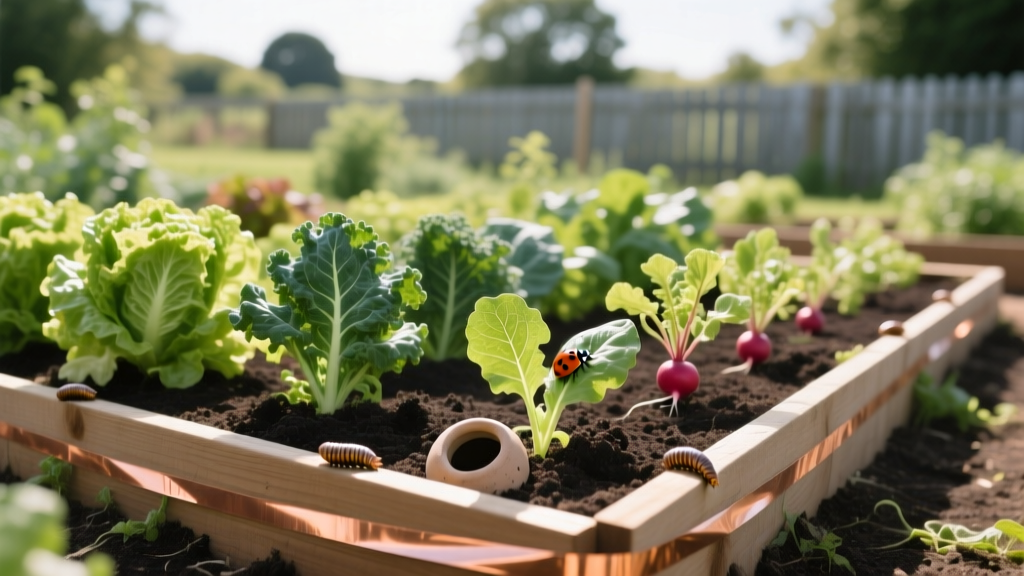
Organic Slug Control Methods for Chemical-Free Vegetable Gardens
David ParkPublished
The Heartbreak of the Organic Vegetable Garden
Every organic vegetable gardener knows the specific heartbreak of waking up to find their tender, carefully nurtured seedlings decimated overnight. Slugs and snails are the undisputed champions of garden destruction, capable of consuming their own body weight in plant matter in a single evening. For decades, the conventional answer to this problem was the liberal application of metaldehyde-based chemical pellets. However, as gardeners become more aware of soil health and local ecosystems, the demand for chemical-free, organic approaches has surged.
Transitioning away from synthetic molluscicides does not mean surrendering your lettuce, hostas, or brassicas to the slime trail. By understanding slug biology and deploying a multi-layered, organic defense strategy, you can protect your harvest while maintaining a thriving, biodiverse garden ecosystem. This guide explores the most effective, scientifically backed, and chemical-free methods for managing slugs in raised beds and in-ground vegetable gardens.
The Hidden Cost of Chemical Slug Pellets
Traditional blue slug pellets typically contain metaldehyde, a potent neurotoxin. While effective at killing slugs, metaldehyde poses severe risks to non-target organisms. Dogs, cats, hedgehogs, and wild birds are frequently poisoned after ingesting the pellets directly or by eating toxic slugs. Furthermore, metaldehyde breaks down into acetaldehyde, which can leach into groundwater and contaminate local waterways.
According to the Royal Horticultural Society (RHS), slugs and snails are consistently ranked among the top pests reported by gardeners, yet the shift toward wildlife-friendly gardening has made chemical eradication obsolete and ecologically damaging. The RHS and numerous environmental agencies now strongly advocate for integrated pest management (IPM) and organic controls that target the pest without harming the broader food web.
Understanding Slug Behavior and Biology
To defeat the enemy without chemicals, you must understand their biology. Slugs are mollusks that require high moisture levels to survive; their bodies are roughly 90% water, and they secrete mucus to prevent desiccation. This is why they are primarily nocturnal and most active during damp, overcast weather or after heavy rainfall.
They hide during the day in cool, dark, and moist refuges such as under mulch, inside dense ground cover, beneath terracotta pots, or within the cracks of raised bed timbers. By modifying the garden environment to reduce these daytime hiding spots and disrupt their nighttime foraging routes, you can drastically reduce their population without a single drop of synthetic poison.
Top Chemical-Free Slug Control Methods
1. Physical Barriers: Copper Tape and Wool Pellets
Physical barriers prevent slugs from reaching your prized plants. Copper tape is one of the most reliable methods for raised beds and container gardens. When a slug's slime reacts with the copper, it creates a mild electrical charge that deters them from crossing. For optimal results, use a copper tape that is at least 2 inches wide and apply it around the entire perimeter of your raised bed, ensuring there are no gaps or overlapping plant leaves that can act as a bridge. A high-quality 30-foot roll typically costs between $15 and $25 and lasts for multiple seasons.
Another excellent barrier is sheep wool pellets. When scattered around the base of plants and watered, these pellets expand to form a dense, abrasive mat that slugs refuse to cross. As a bonus, wool pellets slowly break down, adding valuable nitrogen and organic matter to your soil. Expect to pay around $20 for a 5-pound bag, which is sufficient to protect a standard 4x8-foot raised bed for a full growing season.
2. Diatomaceous Earth (DE)
Diatomaceous earth is a naturally occurring, soft sedimentary rock composed of the fossilized remains of diatoms. Under a microscope, DE looks like shards of glass. When slugs crawl over food-grade DE, the microscopic sharp edges lacerate their soft bodies, causing them to dehydrate and die. A 2-pound bag of food-grade DE costs roughly $10 to $15.
However, DE has a major limitation: it loses its abrasive effectiveness when wet. The University of Minnesota Extension notes that while barriers like diatomaceous earth are popular organic choices, their effectiveness drops significantly once they become wet, requiring diligent reapplication after every rainstorm or heavy watering session.
3. Iron Phosphate Baits (OMRI-Listed)
If you need a broadcast bait, iron phosphate is the gold standard for organic gardeners. Sold under brand names like Sluggo, iron phosphate pellets are OMRI-listed (Organic Materials Review Institute) and completely safe for use around pets, wildlife, and children. When a slug ingests iron phosphate, it immediately stops feeding and retreats underground to die, eliminating the unsightly slime trails and toxic carcasses associated with metaldehyde.
Application is simple: scatter the pellets at a rate of about 1 teaspoon per square yard of garden space in the late afternoon or early evening. A 1-pound shaker bottle costs approximately $15 and treats up to 3,000 square feet, making it highly cost-effective for larger vegetable plots.
4. Biological Control: Beneficial Nematodes
For a long-term, microscopic approach, beneficial nematodes (Phasmarhabditis hermaphrodita) are a game-changer. These microscopic, soil-dwelling worms actively seek out slugs, entering their bodies and releasing bacteria that kill the slug within a week. The nematodes then reproduce inside the dead slug and move on to the next host.
Nematodes are applied by mixing a sponge or gel containing millions of the organisms into a watering can and applying them directly to moist soil. The soil temperature must be consistently above 50°F (10°C) for them to be active. A standard pack containing 12 million nematodes costs around $30 and treats approximately 400 square feet for up to six weeks. This method is exceptionally effective for targeting the invasive grey field slug, which spends much of its time underground.
Comparative Analysis of Organic Slug Controls
Choosing the right method depends on your garden's layout, budget, and the severity of the infestation. Use the table below to compare the most effective chemical-free strategies.
| Control Method | Estimated Cost | Effectiveness | Longevity | Best Application |
|---|---|---|---|---|
| Copper Tape | $15 - $25 | High | 1-3 Years | Raised beds, pots, greenhouse staging |
| Sheep Wool Pellets | $20 / 5 lbs | Medium-High | 1 Season | Base of vulnerable transplants |
| Diatomaceous Earth | $10 - $15 | Medium | Until wet | Dry climates, under row covers |
| Iron Phosphate Bait | $15 / 1 lb | High | 2-4 Weeks | Broad-acre vegetable plots, heavy infestations |
| Beneficial Nematodes | $30 / 400 sq ft | Very High | 6 Weeks | Soil-dwelling slugs, large organic farms |
Cultural Practices to Deter Slugs Naturally
No organic pest control plan is complete without addressing the garden's cultural environment. Slugs thrive in chaos and moisture; denying them these conditions is your first line of defense.
- Adjust Your Watering Schedule: Always water your vegetable garden in the early morning rather than the evening. This allows the soil surface to dry out before nightfall, creating a hostile environment for nocturnal slug foraging. Utilizing drip irrigation rather than overhead sprinklers further reduces surface moisture.
- Eliminate Daytime Hiding Spots: Keep the areas immediately surrounding your raised beds clear of tall grass, decaying wood, and dense weeds. If you use mulch, keep it a few inches away from the direct base of vulnerable seedlings.
- Encourage Natural Predators: A healthy organic garden is a balanced ecosystem. Ground beetles, rove beetles, frogs, toads, and wild birds are voracious predators of slugs and their eggs.
According to the Royal Horticultural Society, encouraging natural predators like ground beetles, frogs, and thrushes is a foundational step in long-term, chemical-free slug management. Providing a small wildlife pond or leaving a wild corner in your garden can dramatically boost these beneficial populations.
The Trap Crop Strategy
Sacrificial planting, or trap cropping, involves planting a species that slugs prefer over your main crops. Slugs have a strong preference for marigolds, comfrey, and mustard greens. By planting a border of these sacrificial plants a few feet away from your vegetable beds, you can draw the slug population away from your prized tomatoes and lettuces. You can then hand-pick the slugs off the trap crops at night using a flashlight and a bucket of soapy water.
Your Weekly Organic Slug Management Routine
Consistency is the key to organic gardening success. Implement this simple weekly routine during the peak spring and early summer months when slug damage is most severe:
- Monday Morning: Walk the garden and remove any debris, decaying leaves, or weeds that have accumulated around the base of your raised beds. Check copper tape for dirt or leaf bridges.
- Wednesday Evening: Conduct a flashlight patrol. Hand-pick any visible slugs and drop them into a jar of soapy water. Refresh iron phosphate baits if they have been dissolved by recent rain.
- Friday Morning: Inspect the undersides of leaves near the soil line for clusters of translucent, jelly-like slug eggs. Crush them or scrape them into the compost bin (ensure your compost pile is hot enough to destroy them, or dispose of them in the trash).
By combining physical barriers, OMRI-listed organic baits, biological nematodes, and smart cultural habits, you can successfully defend your vegetable garden against slugs. Embracing these chemical-free methods not only saves your harvest but also ensures your garden remains a safe, thriving sanctuary for local wildlife, pets, and your family.
