Gardening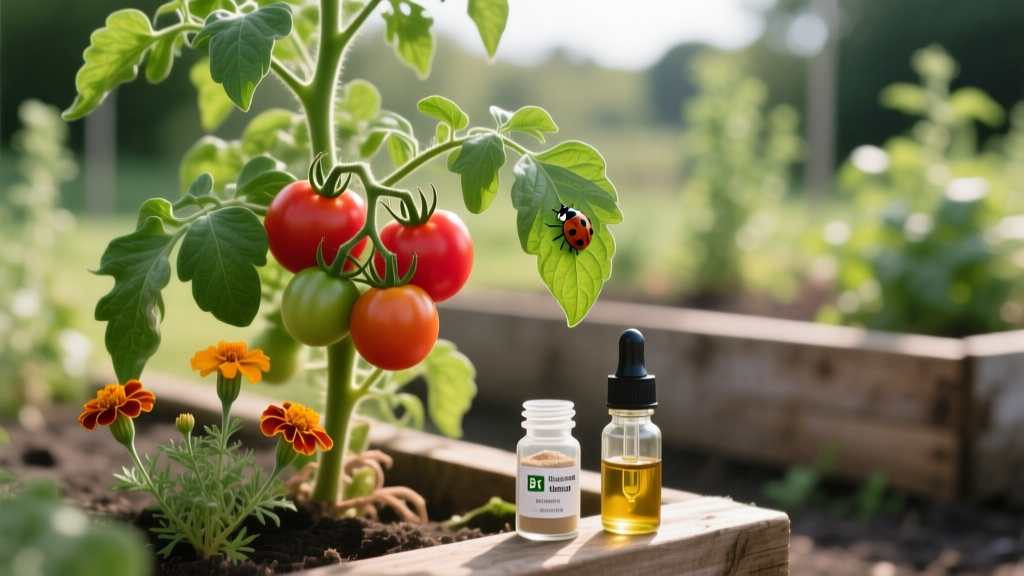
Organic Tomato Pest Control: A Chemical-Free Guide
Emily WatsonPublished
The Case for Chemical-Free Tomato Gardening
Growing tomatoes (Solanum lycopersicum) is a beloved summer ritual for millions of home gardeners. However, the journey from seedling to harvest is fraught with challenges, primarily in the form of voracious insect pests. While conventional synthetic pesticides offer a quick fix, they come with heavy ecological costs, including the decimation of beneficial pollinator populations, soil microbiome disruption, and the introduction of toxic residues into your homegrown food. Adopting a chemical-free, organic approach to tomato pest control is not just an environmental statement; it is a highly effective, sustainable strategy that leverages natural biology to keep your garden thriving.
Organic pest management relies on Integrated Pest Management (IPM) principles. This means combining biological controls, organic sprays, and cultural practices to keep pest populations below the threshold of economic damage. According to the University of Minnesota Extension, a proactive approach focusing on plant health and early intervention is the cornerstone of successful organic vegetable production. In this comprehensive guide, we will explore the most common tomato pests and detail the specific organic products, measurements, and application schedules required to protect your crop without resorting to synthetic chemicals.
Identifying the Primary Tomato Pests
Before you can treat a pest problem, you must accurately identify the culprit. Different organic compounds target different biological systems, so misidentification can lead to wasted time and money.
1. Tomato and Tobacco Hornworms
These massive, bright green caterpillars (Manduca quinquemaculata and Manduca sexta) are the larvae of sphinx moths. They feature distinctive diagonal white stripes and a prominent 'horn' on their rear. Hornworms are notorious for their incredible appetites; a single caterpillar can defoliate an entire tomato branch in a matter of hours. They typically hide on the undersides of leaves during the heat of the day and feed voraciously at night. Look for their tell-tale signs: stripped leaves and large, dark green, barrel-shaped droppings (frass) on the lower leaves and soil surface.
2. Aphids and Whiteflies
Aphids are tiny, soft-bodied insects that cluster on new growth and the undersides of leaves, sucking plant sap and excreting a sticky substance called honeydew. This honeydew attracts ants and promotes the growth of black sooty mold, which blocks photosynthesis. Whiteflies are similarly damaging sap-suckers. When disturbed, they erupt into a cloud of tiny white, moth-like insects. Both pests reproduce rapidly in warm weather and can transmit devastating viral diseases to your tomato plants.
3. Colorado Potato Beetles
Despite the name, these beetles (Leptinotarsa decemlineata) are equally fond of tomatoes, eggplants, and peppers. The adults are yellow and black striped, while their larvae are humpbacked and reddish-orange with black spots. Both life stages are ravenous leaf-eaters and have developed widespread resistance to many synthetic chemical pesticides, making organic approaches particularly valuable.
Top Chemical-Free Treatments and Application Protocols
When cultural controls are not enough, organic gardeners can turn to naturally derived sprays and dusts. Below are the most effective organic treatments, complete with specific application instructions.
Bacillus thuringiensis var. kurstaki (Bt)
Bt is a naturally occurring soil bacterium that produces proteins toxic only to the larvae of specific insects, primarily caterpillars. When a hornworm or beetle larva ingests a leaf treated with Bt, the protein crystallizes in their alkaline gut, causing them to stop feeding within hours and die within a few days. The Environmental Protection Agency (EPA) recognizes Bt as a highly safe, targeted biological pesticide that poses no risk to humans, pets, birds, or beneficial insects like bees and ladybugs.
- Recommended Product: Monterey B.t. or Bonide Thuricide.
- Mixing Rate: 1.5 fluid ounces per 1 gallon of water.
- Application Timing: Spray at dusk or on overcast days. UV light degrades Bt rapidly, and caterpillars feed most heavily at night.
- Frequency: Reapply every 5 to 7 days, or immediately after heavy rainfall.
- Estimated Cost: $15 to $20 for an 8 oz concentrate (yields up to 24 gallons of spray).
Cold-Pressed Neem Oil
Neem oil is extracted from the seeds of the neem tree (Azadirachtin indica). It acts as a multi-purpose organic tool: it is a contact insecticide, an anti-feedant, and a fungicide. The active compound, azadirachtin, disrupts the hormonal systems of insects, preventing them from molting and reproducing. It is highly effective against soft-bodied sap-suckers like aphids and whiteflies. The National Pesticide Information Center (NPIC) notes that neem oil has a very low toxicity profile for mammals and breaks down quickly in the environment.
- Recommended Product: Bonide Neem Oil or Harris Cold-Pressed Neem Oil.
- Mixing Rate: 1 tablespoon (0.5 fl oz) of neem oil and 1 teaspoon of mild liquid soap (like Castile soap, acting as an emulsifier) per 1 gallon of water.
- Application Timing: Apply in the early morning or late evening to prevent leaf burn (phototoxicity) and avoid spraying when bees are actively foraging.
- Frequency: Every 7 to 14 days for active infestations.
- Estimated Cost: $15 to $25 for a 16 oz bottle.
Spinosad
Spinosad is derived from the fermentation of a naturally occurring soil actinomycete bacterium, Saccharopolyspora spinosa. It is a powerhouse organic insecticide that targets the nervous system of insects through both contact and ingestion. It is exceptionally effective against stubborn pests like Colorado potato beetles, thrips, and leafminers, which often shrug off other organic treatments.
- Recommended Product: Captain Jack's Deadbug Brew or Monterey Garden Insect Spray.
- Mixing Rate: 2 fluid ounces per 1 gallon of water.
- Application Timing: Spray in the evening. While highly toxic to bees when wet, it becomes safe for pollinators once it has completely dried on the foliage (usually within 3 hours).
- Frequency: Every 7 days, but do not exceed 6 applications per season to prevent pest resistance.
- Estimated Cost: $20 to $30 for a 16 oz bottle.
Food-Grade Diatomaceous Earth (DE)
DE is a fine, abrasive powder made from the fossilized remains of microscopic aquatic organisms called diatoms. On a microscopic level, DE looks like shards of glass. When crawling insects like beetles, slugs, or ants cross a barrier of DE, it lacerates their exoskeletons, causing them to dehydrate and die. It contains no chemical poisons and works purely through mechanical action.
- Recommended Product: Harris Food Grade Diatomaceous Earth.
- Application Rate: Dust lightly around the base of the tomato plants and on the soil surface.
- Application Timing: Apply when the soil and foliage are dry.
- Frequency: Reapply after every rain event or overhead watering, as moisture renders it temporarily ineffective.
- Estimated Cost: $10 to $15 for a 4 lb bag.
Organic Pest Control Comparison Chart
Selecting the right tool for the job is critical in organic gardening. Use the table below to quickly reference the best chemical-free treatment for your specific pest problem.
| Organic Product | Primary Target Pests | Mix Rate (Per Gallon) | Estimated Cost | Reapplication Interval |
|---|---|---|---|---|
| Bt (Kurstaki) | Hornworms, Fruitworms, Loopers | 1.5 fl oz | $15 - $20 (8 oz) | 5 - 7 days |
| Neem Oil | Aphids, Whiteflies, Spider Mites | 1 tbsp + 1 tsp soap | $15 - $25 (16 oz) | 7 - 14 days |
| Spinosad | Potato Beetles, Thrips, Leafminers | 2 fl oz | $20 - $30 (16 oz) | 7 days (Max 6x/season) |
| Diatomaceous Earth | Slugs, Crawling Beetles, Ants | Dry dusting | $10 - $15 (4 lbs) | After rain/watering |
Preventative Cultural Practices
Even the best organic sprays are secondary to a robust preventative strategy. A healthy, unstressed tomato plant possesses natural chemical defenses that make it less palatable to pests. Furthermore, altering the garden environment can drastically reduce pest colonization.
Strategic Companion Planting
Companion planting involves growing specific plants near your tomatoes to repel pests, attract beneficial predatory insects, or act as trap crops.
- French Marigolds (Tagetes patula): Marigold roots exude a compound called alpha-terthienyl, which suppresses harmful root-knot nematodes in the soil. Above ground, their strong scent masks the volatile organic compounds (VOCs) emitted by tomatoes, effectively hiding them from foraging hornworm moths.
- Basil (Ocimum basilicum): Planting basil at the base of your tomatoes is a classic technique. Basil is believed to repel thrips and tomato hornworms while attracting beneficial parasitic wasps.
- Nasturtiums (Tropaeolum majus): Use nasturtiums as a trap crop. Aphids strongly prefer nasturtiums over tomatoes. Plant them a few feet away from your tomato beds to draw the aphid colonies away from your primary harvest.
Crop Rotation and Garden Sanitation
Many tomato pests, including the Colorado potato beetle and various blight-causing pathogens, overwinter in the soil and plant debris. Never plant tomatoes, peppers, eggplants, or potatoes in the same bed two years in a row. Implement a strict three-year crop rotation cycle to starve out overwintering pests. Additionally, practice rigorous sanitation: prune the bottom 12 inches of tomato foliage to prevent soil-borne pests and fungal spores from splashing onto the leaves during rain. At the end of the season, remove and destroy all tomato vines; do not compost them, as home compost piles rarely reach the 140°F (60°C) required to kill pest eggs and diseases.
Pro-Tip: Encourage natural predators by installing a shallow birdbath or a 'bug bath' (a shallow dish with pebbles and water) near your tomato patch. Ladybugs, lacewings, and parasitic wasps require a steady water source to remain active in your garden, and they will consume thousands of aphids and hornworm eggs over the course of a single summer.
Conclusion
Transitioning to a chemical-free approach for tomato pest control requires a shift in mindset. You are no longer attempting to eradicate every insect in your garden; rather, you are managing an ecosystem. By correctly identifying pests, utilizing targeted organic compounds like Bt and Neem oil at the proper dilutions, and fortifying your garden with companion plants and strict sanitation protocols, you can produce a bountiful, healthy tomato harvest. The result is not only a cleaner environment and safer food for your family, but a deeper, more rewarding connection to the natural rhythms of your garden.
