Tree Care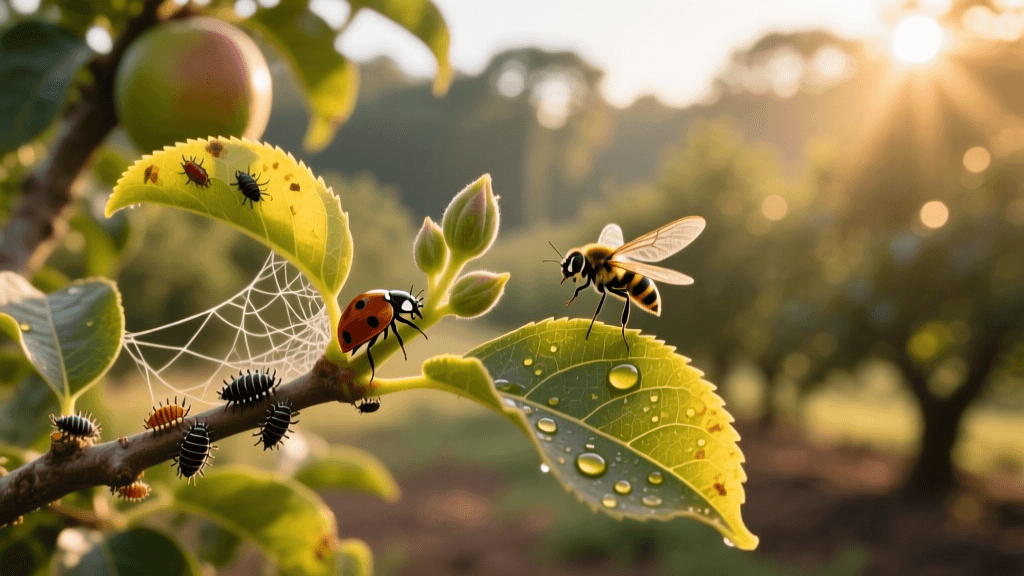
Organic Tree Pest Control: Managing Aphids and Scale Naturally
The Hidden Threat of Sap-Sucking Pests
Trees are the structural anchor of any beautiful landscape, providing shade, privacy, and ecological value. However, their health is constantly under threat from sap-sucking insects, most notably aphids and scale insects. While conventional gardening often reaches for synthetic systemic pesticides, these chemicals can devastate the local soil microbiome, harm essential pollinators, and lead to pesticide-resistant pest populations. For the eco-conscious homeowner, adopting a chemical-free and organic approach to tree care is not just an environmental preference; it is a sustainable strategy for long-term tree vitality.
Organic pest management relies on understanding the life cycles of pests, utilizing naturally derived compounds, and fostering a balanced ecosystem where beneficial predators keep pest populations in check. In this comprehensive guide, we will explore actionable, chemical-free methods to identify, treat, and prevent aphid and scale infestations on your ornamental and fruit trees.
Identifying the Culprits: Aphids vs. Scale Insects
Before applying any treatment, accurate identification is crucial. Both aphids and scale insects feed on the phloem sap of trees, weakening the plant and excreting a sticky, sugar-rich substance known as honeydew. This honeydew often attracts ants and serves as a breeding ground for black sooty mold, which can block sunlight from reaching the leaves.
Spotting Aphids
Aphids are small, soft-bodied insects that typically cluster on the tender new growth, buds, and undersides of leaves. They can be green, black, yellow, or red, depending on the species. According to the University of California Integrated Pest Management (UC IPM), aphids reproduce rapidly in the spring and early summer, meaning a small colony can turn into a massive infestation in a matter of weeks. Look for curled, distorted leaves and the presence of "farmer ants" marching up and down the tree trunk, which is a telltale sign of an aphid honeydew harvest.
Spotting Scale Insects
Scale insects are far more deceptive. As detailed in the UC IPM Pest Notes on Scales, adult scale insects lose their legs and anchor themselves to the bark, branches, or leaves, secreting a protective waxy or armored shell. They look like small, immobile bumps on the wood—often mistaken for a natural part of the tree's bark or a fungal growth. Armored scales have hard, detachable covers, while soft scales produce a thinner waxy layer and are the primary producers of heavy honeydew. Because they are immobile, scale insects are highly vulnerable to topical organic treatments during their active "crawler" stage.
Chemical-Free Treatment Strategies
Transitioning away from synthetic chemicals requires a multi-pronged approach. Below are the most effective organic treatments, complete with mixing ratios, timing, and cost expectations.
1. Dormant Horticultural Oils
Horticultural oils are highly refined petroleum or plant-based oils designed to smother overwintering insect eggs and adult scale insects. They leave no toxic residue and are completely safe for the environment once dry.
- Application Timing: Apply in late winter or very early spring, just before the tree breaks dormancy (bud swell). Temperatures must be between 40°F and 85°F to prevent bark damage.
- Mixing Ratio: Typically 2 to 4 tablespoons of dormant oil per gallon of water. Always read the specific product label.
- Cost: Approximately $15 to $25 per quart of concentrate, which treats multiple large trees.
2. Cold-Pressed Neem Oil
Neem oil, extracted from the seeds of the Azadirachta indica tree, contains azadirachtin, a compound that disrupts the hormonal systems of insects, preventing them from molting and feeding. It is highly effective against aphids and scale crawlers.
- Application Timing: Apply at dusk or dawn to avoid leaf burn from the sun and to ensure you do not spray when bees and pollinators are actively foraging. Repeat every 7 to 14 days during active infestations.
- Mixing Ratio: Mix 1 to 2 tablespoons of pure, cold-pressed neem oil with 1 gallon of water. Add 1 teaspoon of mild liquid castile soap to act as an emulsifier, as oil and water will naturally separate.
- Cost: Around $20 for a 16 oz bottle of cold-pressed concentrate.
3. DIY Insecticidal Soap
For soft-bodied insects like aphids, insecticidal soap is a fast-acting, contact-only organic solution. It works by breaking down the insect's protective cuticle, causing rapid dehydration.
- Application Timing: Spray directly onto the aphid colonies, ensuring thorough coverage of the leaf undersides. Avoid application during hot, sunny afternoons.
- Mixing Ratio: Mix 1 tablespoon of pure liquid castile soap (such as Dr. Bronner’s unscented or peppermint) per 1 quart of water. Do not use dish detergents or degreasers, as these will strip the tree's natural leaf waxes.
- Cost: Pennies per application if you already have castile soap in your home.
4. Biological Control: Beneficial Insects
Nature has its own pest control agents. By introducing or attracting beneficial insects, you create a self-sustaining defense system. The Environmental Protection Agency (EPA) highly recommends biological pest control as a cornerstone of sustainable integrated pest management.
- Key Predators: Convergent ladybugs (Hippodamia convergens) and green lacewings (Chrysoperla rufilabris) are voracious consumers of aphids and soft scale. Parasitic wasps (Aphytis melinus) are essential for controlling armored scale.
- Release Strategy: Purchase live ladybugs or lacewing eggs from a reputable organic garden supplier. Release them at dusk, immediately after giving the tree a gentle spray of water. The water provides them with a drink and discourages them from flying away immediately.
- Cost: $15 to $30 for a bag of 1,500 live ladybugs.
Comparison Chart: Organic Tree Pest Treatments
| Treatment Method | Target Pests | Best Application Timing | Approx. Cost | Safety & Environmental Notes |
|---|---|---|---|---|
| Dormant Horticultural Oil | Overwintering scale, mite eggs | Late winter (pre-bud break) | $15 - $25 / qt | Smothering agent. Do not use in freezing temps or on drought-stressed trees. |
| Cold-Pressed Neem Oil | Aphids, scale crawlers, mites | Spring/Summer (Dusk or Dawn) | $20 / 16 oz | Hormone disruptor. Safe for mammals; avoid spraying directly on foraging bees. |
| DIY Insecticidal Soap | Soft-bodied aphids, whiteflies | Active growing season (Cool hours) | < $1 / application | Contact killer only. Must hit the insect directly. No residual effect. |
| Beneficial Insects | All soft scales, aphids | Spring/Early Summer (Active pests) | $15 - $30 / batch | Creates long-term ecological balance. Requires a steady food source to remain. |
Cultural Practices for Long-Term Tree Health
Organic pest management is not just about what you spray; it is fundamentally about how you cultivate the tree's environment. Pests are opportunistic and primarily attack trees that are stressed, over-fertilized, or improperly watered.
Reevaluate Your Fertilization Strategy
One of the most common mistakes homeowners make is applying high-nitrogen synthetic fertilizers to their trees. Synthetic nitrogen causes a rapid, unnatural flush of tender, sappy new growth. This specific type of growth is irresistible to aphids and scale insects. Instead, top-dress the root zone with organic compost or use slow-release organic fertilizers like kelp meal or alfalfa pellets. These organic amendments feed the soil food web, which in turn feeds the tree steadily, producing dense, pest-resistant cellular growth.
Proper Mulching and Hydration
Drought-stressed trees emit volatile organic compounds (VOCs) that act as a beacon to wood-boring insects and sap-suckers. Ensure your trees receive deep, infrequent watering rather than shallow, daily sprinklings. Apply a 2 to 3-inch layer of organic wood chip mulch over the root zone to retain moisture and regulate soil temperature. Crucially, keep the mulch pulled at least 3 inches away from the tree trunk to prevent rot and rodent damage.
Strategic Pruning
Scale insects thrive in the stagnant, humid air of a dense, unpruned canopy. During the dormant season, prune out dead, diseased, or heavily infested branches. Thinning the canopy allows sunlight and air to penetrate, creating a microclimate that is hostile to pests and fungal diseases. Always sterilize your pruning shears with a 10% bleach solution or rubbing alcohol between cuts to prevent the spread of pathogens.
Conclusion
Managing aphids and scale insects without harsh chemicals requires a shift in perspective. Rather than seeking total eradication through toxic means, the organic approach aims for balance and tree resilience. By utilizing dormant oils, neem-based sprays, and biological controls, you can effectively manage pest populations while protecting the broader ecosystem of your garden. Remember that a few aphids on your tree are not a disaster; they are a vital food source for the beneficial insects that keep your landscape thriving naturally. With patience, proper cultural care, and targeted organic interventions, your trees will remain healthy, vibrant, and chemical-free for generations.