Tree Care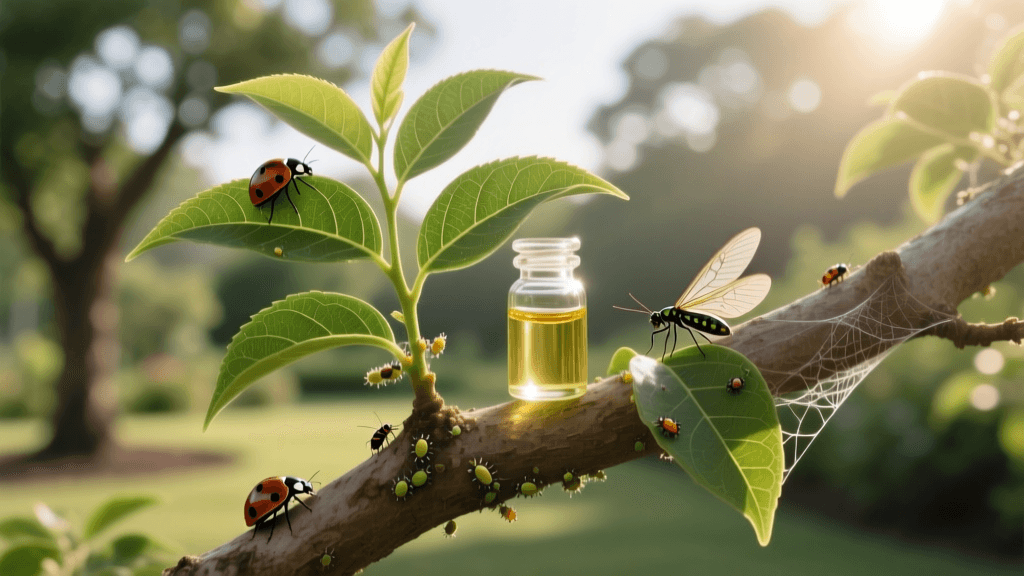
Organic Tree Pest Control: Safe Chemical-Free Fixes
The Philosophy of Chemical-Free Tree Care
Trees are the enduring anchors of our home landscapes, providing shade, beauty, and ecological value. However, when aphids, scale insects, borers, or caterpillars threaten their health, the instinctive reaction for many homeowners is to reach for synthetic chemical pesticides. While these broad-spectrum chemicals may offer a quick fix, they often come at a steep long-term cost. Synthetic pesticides can decimate beneficial pollinator populations, disrupt the delicate soil microbiome, and lead to pesticide-resistant pest strains. Fortunately, the United States Environmental Protection Agency (EPA) increasingly highlights the importance of reduced-risk and organic pest management strategies that protect both human health and the environment.
Transitioning to an organic, chemical-free approach to tree care does not mean doing nothing and watching your trees suffer. Instead, it requires a proactive, holistic strategy that focuses on building the tree's natural immunity, utilizing botanical treatments, and encouraging natural predators. In this comprehensive guide, we will explore the most effective organic tree pest control methods, complete with specific application rates, timing, and product recommendations to keep your landscape thriving without toxic chemicals.
Building Immunity from the Roots Up
The foundation of organic pest management begins long before a pest appears on the leaves. A tree under environmental stress is highly susceptible to insect infestations and fungal diseases. According to the Arbor Day Foundation, proper mulching and watering are the first lines of defense in maintaining robust tree health.
- The 3-3-3 Mulching Rule: Apply a 3-inch layer of organic wood chip mulch in a 3-foot radius around the base of the tree. Crucially, keep the mulch 3 inches away from the trunk itself to prevent rot and rodent damage. This 'donut' method retains soil moisture and regulates temperature.
- Deep Root Watering: During drought periods, use a soaker hose to deliver water slowly to the drip line (the outer edge of the tree canopy) rather than the trunk. Aim for 10 gallons of water per inch of trunk diameter per week during peak summer.
- Compost Tea Inoculations: Applying aerated compost tea to the root zone introduces beneficial mycorrhizal fungi and bacteria. These microbes help the tree absorb nutrients more efficiently, naturally boosting its systemic resistance to sap-sucking insects.
Dormant Oils: Smothering Overwintering Pests
One of the most highly effective, chemical-free treatments for fruit and shade trees is the application of dormant horticultural oil. Unlike synthetic neurotoxins, dormant oils work mechanically by coating and suffocating the eggs and overwintering adults of pests like scale, aphids, and spider mites.
How and When to Apply Dormant Oil
Dormant oils are typically highly refined petroleum-based or plant-based (like cottonseed or soybean oil) products that are safe for organic gardening when used correctly. Timing is everything. You must apply the oil in late winter or early spring, just before the tree's buds begin to swell and break open.
- Temperature Constraints: Only apply when outdoor temperatures are between 40°F and 70°F. Applying oil when it is freezing can cause cellular damage to the bark, while applying it in high heat can cause phytotoxicity (leaf and bark burn).
- Mixing Rates: For most commercial dormant oils, the standard dilution rate is 2 to 4 tablespoons (1 to 2 fluid ounces) per gallon of water. Always use a pump sprayer and shake frequently to ensure the oil remains emulsified.
- Cost and Coverage: A one-gallon concentrate of organic horticultural oil costs approximately $30 to $45 and can treat dozens of mature trees over several seasons, making it highly cost-effective.
Neem Oil: Nature's Insect Growth Regulator
When the growing season is underway and pests like leaf miners, caterpillars, and Japanese beetles appear, cold-pressed neem oil is your best botanical ally. Extracted from the seeds of the neem tree (Azadirachta indica), neem oil contains Azadirachtin, a compound that disrupts the life cycle of insects at all stages—feeding, molting, mating, and egg-laying.
Neem oil is not an instant 'knockdown' poison. It works systemically and hormonally. Pests that ingest treated foliage lose their appetite and fail to mature. To use neem oil effectively as a foliar spray, mix 2 tablespoons of 100% cold-pressed neem oil with 1 teaspoon of mild liquid castile soap (which acts as an emulsifier) in one gallon of warm water. Spray the tree canopy thoroughly, ensuring you coat the undersides of the leaves where pests congregate. Apply in the early evening to avoid harming daytime pollinators and to prevent the sun from magnifying the oil droplets on the leaves.
Beneficial Insects and Biological Controls
A truly organic landscape relies on biological warfare. By attracting and retaining beneficial insects, you create a self-regulating ecosystem. The University of Minnesota Extension emphasizes that preserving natural predator populations is vital for long-term pest suppression.
- Lady Beetles and Green Lacewings: Both are voracious consumers of aphids and mealybugs. You can purchase live lacewing larvae or ladybugs from garden supply centers and release them at dusk near infested trees.
- Trichogramma Wasps: These microscopic, non-stinging parasitic wasps lay their eggs inside the eggs of destructive caterpillars, such as the gypsy moth and tent caterpillars, effectively halting the next generation of defoliators.
- Companion Planting: Planting alyssum, yarrow, dill, and fennel near the base of your trees provides nectar and pollen for adult beneficial insects, ensuring they stick around to patrol your canopy.
Mechanical and Physical Barriers
Sometimes, the best chemical-free approach is simply blocking the pests from reaching the tree. Mechanical barriers are inexpensive, non-toxic, and highly effective against crawling insects.
- Sticky Tree Bands: Wrapping a band of corrugated cardboard coated with a sticky substance like Tanglefoot around the trunk prevents crawling pests like cankerworms, ants, and weevils from ascending the tree. Apply the band about chest-high and replace it when it becomes full of debris or insects.
- Copper Foil Tape: For trees plagued by slugs and snails that climb the trunk to reach lower foliage, a wrap of copper tape creates a mild, natural electrical reaction that repels them without the use of toxic baits.
- Pruning and Destruction: For localized infestations like bagworms or tent caterpillars, simply pruning out the affected branches and submerging them in a bucket of soapy water is often more effective and faster than spraying any product.
Organic Pest Management Comparison Chart
| Treatment Method | Target Pests | Application Timing | Impact on Pollinators |
|---|---|---|---|
| Dormant Horticultural Oil | Scale, Aphid eggs, Mites | Late Winter / Early Spring | None (Applied before bloom) |
| Cold-Pressed Neem Oil | Caterpillars, Leaf Miners, Beetles | Spring / Summer (Evening) | Low (Safe when dry) |
| Beneficial Nematodes | Borers, Grubs in root zone | Spring / Fall (Moist soil) | None (Soil applied) |
| Sticky Tree Bands | Cankerworms, Ants, Weevils | Early Spring / Late Fall | None (Trunk barrier) |
| Insecticidal Soap | Soft-bodied insects (Aphids) | Growing Season (Direct contact) | Low (Safe when dry) |
A Year-Round Chemical-Free Tree Care Schedule
To maintain a thriving, pest-free landscape, consistency is key. Follow this seasonal schedule to stay ahead of infestations organically.
Winter (December - February)
Inspect bare branches for signs of borer holes, cankers, or overwintering egg masses (like the spongy, tan egg masses of the spotted lanternfly). Scrape off and destroy egg masses. Plan your dormant oil application for a mild, windless day in late February.
Spring (March - May)
Apply dormant oil before bud break. As leaves emerge, monitor closely for aphid colonies on new growth. If aphids appear, use a strong blast of water from a garden hose to knock them off, or apply insecticidal soap. Release beneficial lacewings and plant companion flowers to attract native predators.
Summer (June - August)
Focus on watering and mulching to prevent drought stress, which attracts borers. If Japanese beetles or caterpillars become an issue, apply neem oil sprays in the evening. Hand-pick beetles in the early morning when they are sluggish and drop them into soapy water.
Fall (September - November)
Rake and destroy fallen leaves that harbor fungal spores and overwintering pest pupae. Apply beneficial nematodes to the soil around the tree base to target grubs and borer larvae before the ground freezes. Install sticky tree bands to catch winter moths.
'Integrated Pest Management (IPM) in organic tree care is not about total eradication of every insect. It is about managing the ecosystem so that pest populations remain below the threshold of economic or aesthetic damage, utilizing natural predators and botanical controls first.' — Principles of Organic Horticulture
Conclusion
Adopting chemical-free and organic approaches to tree care requires a shift in perspective. By viewing your trees not as isolated objects to be sprayed, but as integral parts of a living, breathing soil and canopy ecosystem, you unlock nature's own defense mechanisms. Utilizing dormant oils, neem extracts, biological controls, and physical barriers ensures your trees remain vigorous and beautiful for generations, all while protecting the local waterways, soil health, and vital pollinator populations that our environment desperately needs.