Tree Care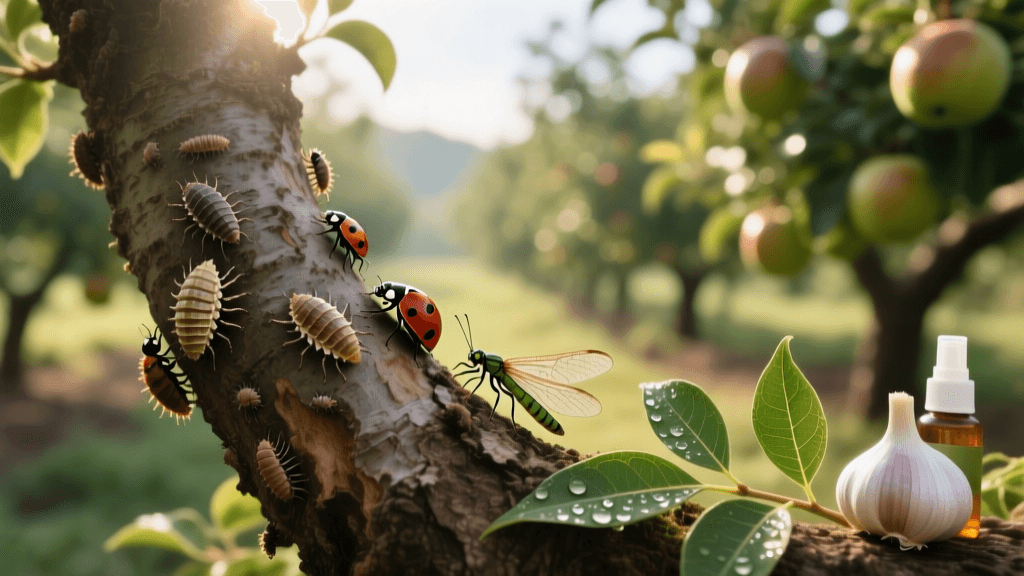
Organic Tree Pest Control: Natural Remedies for Healthy Trees
The Shift Toward Chemical-Free Tree Care
When a beloved shade tree, ornamental maple, or productive fruit tree falls victim to pests or fungal diseases, the immediate instinct of many homeowners is to reach for a potent synthetic chemical. While synthetic pesticides and fungicides may offer a rapid knockdown effect, the long-term cost to your landscape's ecosystem is profound. Chemical-free and organic tree care focuses on building systemic resilience, fostering a thriving soil microbiome, and utilizing targeted, naturally derived compounds to manage pests without collateral damage to pollinators, birds, or beneficial soil organisms.
Transitioning to an organic approach requires a shift in mindset: from attempting to completely eradicate every insect to managing pest populations below the threshold of economic or aesthetic damage. By understanding the life cycles of common tree pests and leveraging natural remedies, you can maintain vibrant, healthy trees that stand the test of time.
The Hidden Cost of Synthetic Pesticides
Synthetic broad-spectrum insecticides do not discriminate between a destructive aphid colony and a vital population of predatory lacewings or parasitic wasps. When you wipe out the beneficial insects, you often trigger a phenomenon known as a 'secondary pest outbreak.' Without natural predators to keep them in check, minor pests like spider mites can explode in population, causing far more damage than the original target pest.
Furthermore, chemical runoff from soil drenches and foliar sprays can disrupt the delicate mycorrhizal fungal networks in the soil. These fungi form symbiotic relationships with tree roots, extending their reach to scavenge water and essential nutrients like phosphorus. According to the University of Minnesota Extension, maintaining overall tree vigor through proper cultural practices and soil health is the most effective long-term defense against both insect and disease pressures.
Top Organic Treatments for Common Tree Pests
When cultural practices are not enough and pest populations threaten the structural integrity or health of the tree, organic interventions are necessary. Here are the most effective chemical-free treatments available to home gardeners and arborists.
1. Neem Oil (Azadirachtin)
Extracted from the seeds of the neem tree, neem oil is a powerhouse in organic pest management. It acts as an antifeedant, a growth regulator, and a mild suffocant. It is highly effective against aphids, caterpillars, and certain leaf-chewing beetles.
- DIY Recipe: Mix 2 tablespoons of cold-pressed, 100% pure neem oil with 1 teaspoon of mild liquid castile soap (which acts as an emulsifier) and 1 gallon of lukewarm water.
- Application: Spray thoroughly on all leaf surfaces, including the undersides, at dusk. Applying at night prevents the oil from causing leaf burn in direct sunlight and ensures you do not harm daytime pollinators like bees and butterflies.
2. Insecticidal Soaps
Potassium salts of fatty acids (insecticidal soaps) work by penetrating the soft outer cuticle of insects like aphids, whiteflies, and mealybugs, causing them to dehydrate and die. They have no residual effect, meaning they only kill on direct contact, making them incredibly safe for the broader environment.
- Usage Tip: Avoid using hard water when mixing soaps, as the calcium and magnesium ions can bind with the fatty acids, rendering the spray ineffective and potentially leaving a toxic residue on the leaves.
3. Dormant Horticultural Oils
Highly refined petroleum or plant-based oils are applied during the dormant season to smother overwintering insect eggs, scale insects, and mite larvae hiding in the bark crevices. As noted by Penn State Extension, horticultural oils are an excellent, low-toxicity method for breaking the life cycle of stubborn pests like the euonymus scale or San Jose scale before the spring growth flush begins.
Natural Disease Management Strategies
Fungal diseases such as powdery mildew, anthracnose, and cedar-apple rust thrive in humid, stagnant conditions. While you cannot control the weather, you can alter the microclimate and use organic fungicides to protect your trees.
Baking Soda Sprays for Powdery Mildew
Powdery mildew appears as a white, talcum-powder-like coating on leaves, stunting growth and reducing photosynthesis. Baking soda (sodium bicarbonate) raises the pH level on the leaf surface, creating an alkaline environment where fungal spores cannot germinate.
- DIY Recipe: Combine 1 tablespoon of baking soda, 1 tablespoon of horticultural oil, and 1/2 teaspoon of liquid soap in 1 gallon of water. Apply every 7 to 10 days during humid periods as a preventative measure.
Strategic Pruning for Airflow
The most effective chemical-free disease management tool is a pair of sharp, sterilized pruning shears. By selectively removing inward-growing branches, water sprouts, and crossing limbs, you open the tree's canopy to sunlight and wind. Rapid drying of the foliage after morning dew or rainfall deprives fungal pathogens of the prolonged moisture they require to infect the tissue.
Harnessing Biological Control Agents
Biological control involves introducing or encouraging natural enemies of tree pests. The United States Environmental Protection Agency (EPA) highlights biological control as a cornerstone of integrated pest management (IPM), significantly reducing the need for chemical interventions.
- Ladybugs and Green Lacewings: Purchasing live ladybugs or lacewing larvae and releasing them at the base of an aphid-infested tree can decimate the pest population. Ensure the tree is lightly misted with water before release to encourage the insects to stay and drink.
- Beneficial Nematodes (Steinernema carpocapsae): These microscopic soil-dwelling worms are applied as a soil drench. They actively hunt and infect soil-borne pests, including the larvae of wood-boring beetles, Japanese beetles, and root weevils, killing them within 48 hours.
Cultural Practices and Soil Immunity
A tree growing in biologically active, well-structured soil can naturally compartmentalize wounds and produce defensive enzymes that deter borers and fungal infections.
- Compost Tea Drenches: Brewing aerated compost tea and applying it to the root zone introduces billions of beneficial bacteria and fungi that outcompete root-rot pathogens like Phytophthora.
- Proper Mulching: Apply 2 to 3 inches of organic arborist wood chips in a wide ring around the tree's drip line. Never pile mulch against the trunk (a practice known as 'volcano mulching'), as this traps moisture, invites fungal cankers, and encourages girdling roots.
Organic Treatment Quick Reference Guide
| Pest or Disease Issue | Organic Solution | Best Time to Apply | Estimated Cost |
|---|---|---|---|
| Aphids, Mites, Whiteflies | Insecticidal Soap / Neem Oil | Early morning or late evening | $10 - $15 per gallon |
| Scale Insects, Borer Eggs | Dormant Horticultural Oil | Late winter (before bud break) | $20 - $30 per gallon |
| Powdery Mildew, Rust | Baking Soda & Oil Spray | At first sign of spots; every 7 days | $5 (pantry ingredients) |
| Soil Grubs, Borer Larvae | Beneficial Nematodes (Hb strain) | Spring when soil reaches 55°F | $30 - $50 per million |
Seasonal Organic Tree Care Calendar
Staying ahead of pests and diseases requires a proactive, year-round approach. Follow this seasonal schedule to keep your trees thriving without synthetic chemicals.
- Early Spring: Apply dormant oil sprays just before bud swell to smother overwintering scale and mite eggs. Top-dress the root zone with an inch of high-quality organic compost.
- Late Spring: Monitor for the first signs of aphids. Release beneficial insects or apply insecticidal soap. Ensure trees receive deep, infrequent watering to promote deep root growth.
- Summer: Prune out any diseased or dead wood (sterilize tools between cuts). Apply neem oil for chewing insects if defoliation exceeds 15%. Maintain a 3-inch layer of mulch to retain soil moisture and regulate temperature.
- Autumn: Rake and destroy (do not compost) fallen leaves from trees that suffered from severe fungal diseases like anthracnose or apple scab to remove overwintering spores. Wrap the trunks of young fruit trees with physical guards to prevent rodent damage and sunscald.
- Winter: Perform structural pruning while the tree is fully dormant and the branching architecture is visible. This improves airflow for the coming spring and removes weak crotches prone to storm damage.
Conclusion
Embracing chemical-free and organic approaches to tree care is an investment in the long-term health of your landscape. While synthetic chemicals may offer a quick fix, they often degrade the soil food web and create a dependency on continuous applications. By utilizing horticultural oils, insecticidal soaps, biological controls, and rigorous cultural practices, you empower your trees to develop their own natural defenses. A resilient, organically managed tree not only anchors your landscape but also supports a vibrant local ecosystem for generations to come.