Tree Care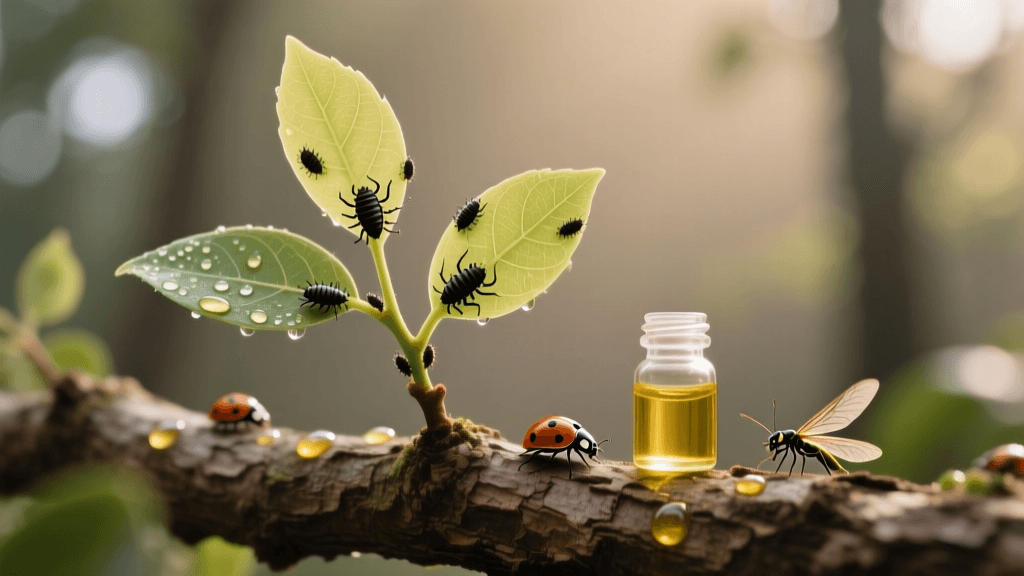
Organic Pest Control for Trees: Managing Scale and Aphids
The Shift to Organic Tree Care
When homeowners notice sticky leaves, black sooty mold, or yellowing foliage on their prized ornamental and shade trees, the immediate instinct is often to reach for a synthetic chemical pesticide. However, the modern arboriculture industry is rapidly shifting away from broad-spectrum synthetic chemicals. These traditional treatments often harm beneficial insect populations, disrupt local ecosystems, and can lead to pesticide-resistant pest strains. Adopting a chemical-free, organic approach to tree pest management not only protects the local environment but also fosters long-term tree resilience. By focusing on soil health, biological controls, and targeted organic sprays like horticultural oils and neem, you can effectively manage common tree pests without introducing harsh toxins into your yard.
Identifying the Culprits: Aphids and Scale Insects
Aphids and scale insects are two of the most pervasive sap-sucking pests that attack both ornamental and fruit trees. They pierce the phloem tissue of leaves and twigs, draining the tree of essential nutrients and excreting a sugary substance known as honeydew. This honeydew attracts ants and promotes the growth of black sooty mold, which can inhibit photosynthesis and weaken the tree over time.
Understanding Scale Insects
Scale insects are particularly deceptive because they often look like small, immobile bumps on branches rather than living insects. They are generally divided into two categories: soft scale and armored scale. Soft scales produce copious amounts of honeydew and have a smooth, cottony, or waxy outer layer that is attached to their bodies. Armored scales, on the other hand, secrete a hard, detachable shell over their bodies and typically do not produce honeydew. Identifying which type of scale is affecting your tree is crucial, as it dictates the timing and type of organic treatment required.
The Aphid Life Cycle
Aphids are soft-bodied, pear-shaped insects that congregate in dense colonies on new, tender growth. They reproduce rapidly, with some species capable of giving birth to live young without mating during the spring and summer months. Because their populations can explode in a matter of weeks, early detection and organic intervention are vital to prevent severe foliage distortion and stunted shoot growth.
Cultural and Preventative Practices
Chemical-free pest management begins with cultural controls. A stressed tree is a magnet for sap-sucking insects. Ensuring your trees receive deep, infrequent watering encourages deep root growth and helps the tree withstand pest pressure. Avoid overhead watering, which can promote fungal diseases that compound the stress on the tree.
Fertilization practices also play a critical role. Synthetic, high-nitrogen fertilizers promote rapid, succulent new growth that is highly attractive to aphids and soft scales. Instead, use slow-release, organic compost or well-aged manure applied as a top dressing around the tree's drip line. This builds the soil microbiome, improves soil structure, and provides a steady, balanced release of nutrients that promotes sturdy, pest-resistant growth.
Pruning is another essential cultural control. By selectively pruning out heavily infested branches and opening up the tree canopy, you increase sunlight penetration and air circulation. This creates a less hospitable environment for pests and makes it easier to apply organic sprays thoroughly to the inner branches.
Biological Controls: Nature's Workforce
One of the cornerstones of organic tree care is encouraging or introducing natural predators. According to the Environmental Protection Agency, beneficial insects are a safe, natural way to keep pest populations below damaging thresholds without the use of toxic chemicals.
Ladybugs and Lacewings: Both adult lady beetles and their larvae are voracious consumers of aphids and soft scale crawlers. Green lacewing larvae, often called 'aphid lions', are equally effective. You can attract these predators by planting nectar-rich companion plants like yarrow, dill, and alyssum near your trees. Alternatively, you can purchase live ladybugs or lacewing eggs from garden suppliers, releasing them in the early evening after lightly misting the tree canopy to encourage them to stay.
Parasitic Wasps: Tiny, non-stinging parasitic wasps are highly effective against scale insects. The female wasp lays her eggs inside the scale insect, and the developing wasp larva consumes the pest from the inside out. You can identify parasitized scale by looking for a tiny, perfectly round exit hole in the scale's hard outer shell. Avoid using any broad-spectrum sprays, even organic ones, when you observe these exit holes, as you will kill the emerging beneficial wasps.
Organic Sprays: Oils, Soaps, and Botanicals
When cultural and biological controls are not enough to keep pest populations in check, organic sprays provide a highly effective, low-toxicity intervention. The University of Minnesota Extension highlights horticultural oils as one of the safest and most effective tools in the organic arborist's toolkit.
Horticultural Oils (Dormant and Summer)
Horticultural oils work by physical action rather than chemical toxicity. When sprayed directly on insects, the oil coats their bodies and blocks their spiracles (breathing pores), causing them to suffocate. Because they rely on a physical mode of action, pests cannot develop genetic resistance to oils. Dormant oils are heavier and applied in late winter or early spring before buds break, targeting overwintering scale and aphid eggs. Summer oils are highly refined, lighter, and safe to use on foliage during the growing season, provided temperatures are below 85°F to prevent leaf burn.
Neem Oil
Derived from the seeds of the neem tree, neem oil contains azadirachtin, a compound that disrupts the hormonal systems of insects, preventing them from molting and reproducing. It also acts as an antifeedant and a mild suffocant. Neem oil is particularly useful for disrupting the life cycle of aphids and scale crawlers. It breaks down quickly in sunlight and is safe for use around mammals and birds.
Insecticidal Soaps
Potassium salts of fatty acids, commonly known as insecticidal soaps, penetrate the soft outer cuticles of aphids and scale crawlers, causing cellular leakage and rapid dehydration. Soaps must be applied directly to the pest to be effective and have no residual activity once they dry, making them exceptionally safe for beneficial insects that arrive after the spray has dried.
Comparison Chart: Organic Treatment Options
| Treatment | Target Pests | Best Application Timing | Approximate Cost | Pros & Cons |
|---|---|---|---|---|
| Dormant Oil | Overwintering scale, aphid eggs, mites | Late winter/early spring (dormant season) | $15 - $25 / gallon | Pros: Highly effective, single application. Cons: Cannot be used on green foliage. |
| Summer Horticultural Oil | Soft scale, armored scale crawlers, aphids | Spring/Summer (below 85°F) | $15 - $25 / gallon | Pros: No pest resistance, safe for most plants. Cons: Requires thorough coverage. |
| Neem Oil Extract | Aphids, scale crawlers, caterpillars | Spring/Summer (evening applications) | $15 - $20 / 16 oz bottle | Pros: Disrupts reproduction, systemic action. Cons: Degrades quickly in UV light. |
| Insecticidal Soap | Soft-bodied aphids, scale crawlers | Spring/Summer (as needed) | $10 - $15 / quart | Pros: Zero residual toxicity, fast knockdown. Cons: Only kills on direct contact. |
| Beneficial Insects | All soft scales and aphids | Spring (when pests first appear) | $15 - $30 / 1,500 ladybugs | Pros: Self-sustaining, zero labor after release. Cons: May migrate away if food is scarce. |
Step-by-Step Application Guide for Horticultural Oils
To achieve the best results with organic sprays, precision and timing are everything. According to experts at Colorado State University Extension, targeting the vulnerable 'crawler' stage of scale insects is the key to breaking their life cycle without relying on harsh systemic chemicals.
- Monitor for Crawlers: In late spring, wrap a piece of double-sided sticky tape around an infested branch. Check the tape weekly with a magnifying glass. When you see tiny, moving specks stuck to the tape, the scale eggs have hatched, and the vulnerable crawlers are active.
- Mix the Solution: For a summer oil application, mix 2 to 4 tablespoons of highly refined horticultural oil per gallon of water. If using neem oil, mix 1 to 2 tablespoons of cold-pressed neem oil and a half-teaspoon of mild liquid dish soap (as an emulsifier) per gallon of water.
- Test for Phytotoxicity: Spray a single, small leaf and wait 24 hours. If the leaf shows no signs of burning or discoloration, proceed with the full application.
- Apply Thoroughly: Using a pump sprayer, coat the tree canopy completely. You must spray the undersides of the leaves and all bark crevices where scale insects hide. The spray must physically contact the pests to be effective; it is not a systemic treatment that the tree absorbs.
- Reapply as Needed: Because organic oils and soaps leave no toxic residue, you will need to reapply every 7 to 14 days during peak crawler season, or after heavy rainfall, until the pest population is suppressed.
Monitoring and Long-Term Tree Health
Transitioning to an organic tree care regimen requires a shift in mindset.
The goal of organic tree care is not the complete eradication of every insect, but the management of pest populations to a level where the tree remains healthy and the local ecosystem thrives.
A few aphids or scale insects on your tree are actually beneficial, as they provide a steady food source for the ladybugs and parasitic wasps that patrol your garden. By combining proper watering, organic soil amendments, biological controls, and targeted applications of horticultural oils and neem, you create a robust, self-regulating ecosystem in your yard. Your trees will develop thicker cuticles, stronger root systems, and the natural vigor needed to shrug off severe pest damage, proving that the most effective tree care solutions are often the ones provided by nature itself.