Tree Care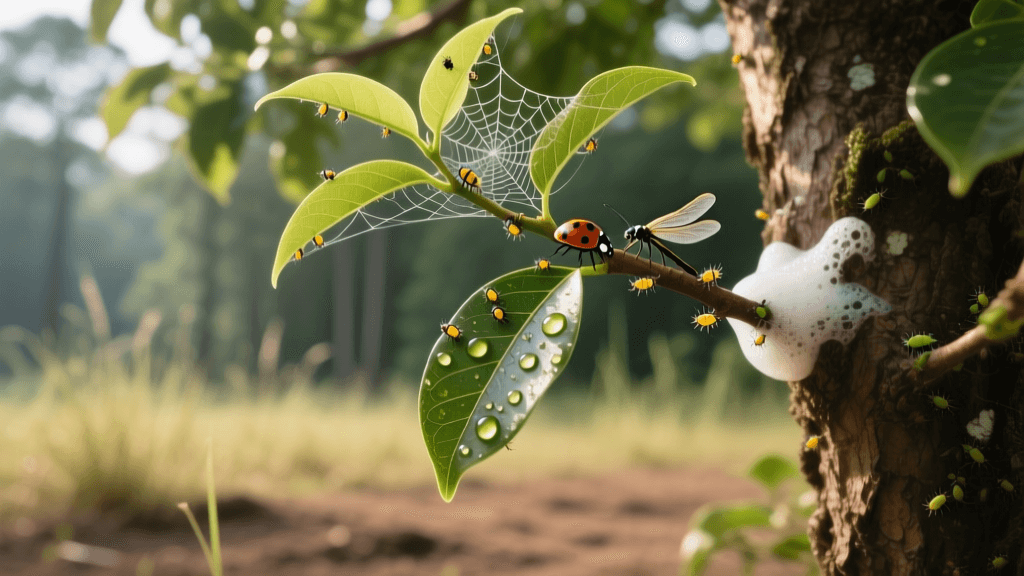
Organic Tree Pest Management: Chemical-Free Solutions
The Shift to Chemical-Free Tree Care
For decades, the default response to a tree pest infestation was to reach for synthetic chemical pesticides. While these broad-spectrum sprays might knock down a pest population temporarily, they come with significant hidden costs. Synthetic chemicals can decimate local pollinator populations, leach into groundwater, and destroy the delicate soil food web that trees rely on for nutrient uptake. Today, arborists and home gardeners alike are embracing organic tree pest management. By utilizing naturally derived compounds, biological controls, and proactive cultural practices, you can maintain vibrant, healthy trees without introducing toxic residues into your backyard ecosystem.
Understanding the Organic Philosophy
Organic pest control is not merely about swapping a synthetic spray for a natural one; it is about holistic ecosystem management. The goal is to keep pest populations below damaging thresholds rather than attempting total eradication. A few aphids on a shade tree are not a crisis; they are a vital food source for beneficial insects. According to the Environmental Protection Agency (EPA), many naturally derived ingredients are classified as minimum-risk pesticides, posing little to no threat to human health or the environment when used as directed. This philosophy prioritizes long-term tree vigor and ecological balance over quick, toxic fixes.
Proven Organic Sprays and Drenches
When pest populations cross the threshold of acceptable damage, organic sprays offer an effective, non-toxic intervention. Here are the three most reliable chemical-free treatments for tree care.
1. Insecticidal Soaps
Insecticidal soaps are potassium salts of fatty acids that work on contact by penetrating the soft outer shells of insects, causing cellular collapse and dehydration. They are highly effective against soft-bodied pests like aphids, spider mites, and whiteflies, but they do not harm hard-shelled beneficial insects like adult ladybugs once the spray has dried.
- Application: Mix 2.5 ounces of pure insecticidal soap concentrate per gallon of water. Spray thoroughly, ensuring you coat the undersides of leaves where pests hide.
- Timing: Apply in the early morning or late evening to prevent rapid evaporation and to avoid leaf burn caused by the sun reacting with the soap film.
- Cost: A 16-ounce bottle of concentrate typically costs between $10 and $15 and yields over 6 gallons of ready-to-use spray.
2. Horticultural Oils
Horticultural oils are highly refined petroleum or plant-based oils that smother insects and their eggs by blocking their breathing pores (spiracles). They are the gold standard for managing scale insects, mite eggs, and overwintering aphid nymphs.
- Dormant vs. Summer Oils: Dormant oils are heavier and applied in late winter before bud break to kill overwintering pests. Summer oils are lighter and highly refined to prevent phytotoxicity (leaf burn) on active foliage.
- Application: Mix 2 to 5 tablespoons of horticultural oil per gallon of water. Agitate the sprayer frequently, as oil and water will naturally separate.
- Precaution: Never apply horticultural oils when temperatures exceed 85°F (29°C) or when trees are drought-stressed, as this can cause severe leaf drop and damage.
3. Cold-Pressed Neem Oil
Extracted from the seeds of the neem tree (Azadirachta indica), cold-pressed neem oil contains azadirachtin, a powerful compound that disrupts the hormonal systems of insects, preventing them from molting, feeding, and laying eggs. The National Pesticide Information Center notes that neem oil is practically non-toxic to birds, mammals, and bees, making it a cornerstone of organic tree care.
- Application: Mix 2 tablespoons of 100% cold-pressed neem oil and 1 teaspoon of mild liquid dish soap (as an emulsifier) per gallon of water. Shake vigorously.
- Timing: Apply every 7 to 14 days during active pest outbreaks. For preventative care, apply once a month during the growing season.
- Cost: High-quality, cold-pressed neem oil costs roughly $15 to $25 for a 16-ounce bottle.
Biological Control: Recruiting Beneficial Insects
The most sustainable form of pest control is the one that happens entirely on its own. By fostering a habitat that attracts predatory and parasitic insects, you create a living defense system for your trees. Avoid broad-spectrum organic sprays like pyrethrin, which can harm these beneficial allies. Instead, plant a diverse understory of flowering herbs and native perennials (such as yarrow, dill, and alyssum) to provide nectar and pollen for adult predators.
Pest to Predator Matchup
| Common Tree Pest | Organic Treatment | Beneficial Predator |
|---|---|---|
| Aphids | Insecticidal Soap | Ladybugs, Green Lacewings |
| Spider Mites | Horticultural Oil | Predatory Mites (Phytoseiulus) |
| Scale Insects | Dormant Oil | Parasitic Wasps, Chilocorus Beetles |
| Leafminers | Neem Oil | Digraphis isaea (Parasitic Wasp) |
| Caterpillars | Bacillus thuringiensis (Bt) | Trichogramma Wasps, Birds |
Cultural Practices: The First Line of Defense
Pests are opportunistic; they target trees that are already weakened by environmental stress. Implementing rigorous cultural practices reduces the need for any spray interventions.
Proper Mulching Techniques
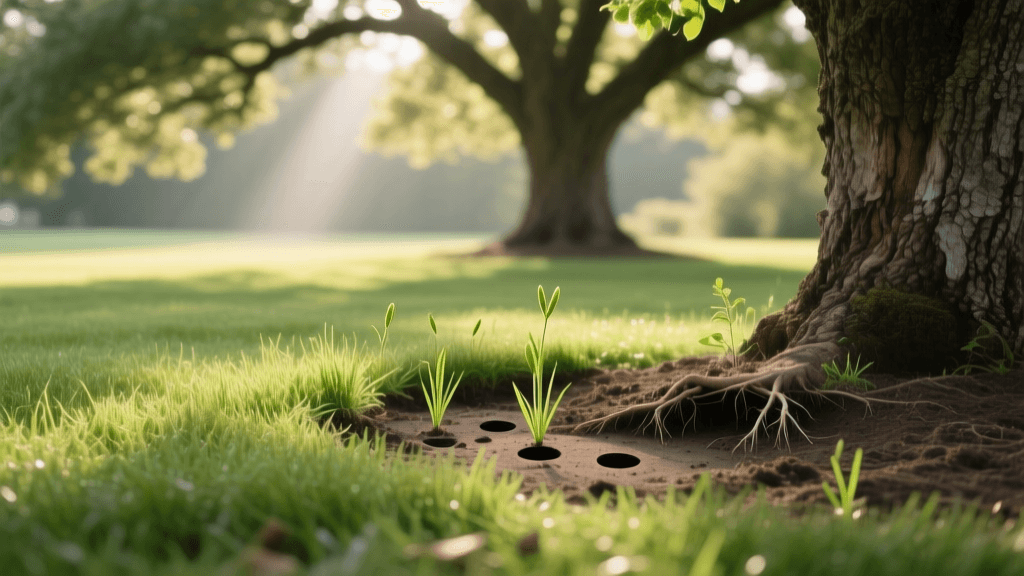
Mulch regulates soil temperature, retains moisture, and suppresses competing weeds. However, improper mulching (often called 'volcano mulching') invites fungal diseases and rodent damage. Apply a 2- to 4-inch layer of organic wood chips or shredded bark in a wide ring around the tree. Crucially, keep the mulch at least 3 inches away from the tree trunk to prevent bark rot and girdling roots.
Deep Root Watering
Turfgrass sprinklers rarely provide enough water for mature trees. During dry spells, use a soaker hose or a deep-root watering wand to deliver water directly to the critical root zone (the area under the drip line and slightly beyond). A general rule of thumb is to provide 10 gallons of water per inch of trunk diameter every two weeks during a drought.
Sanitary Pruning
According to research published by Colorado State University Extension, maintaining good air circulation through the tree canopy reduces the humidity that fungal pathogens and certain pests thrive in. Prune out dead, diseased, or crossing branches during the tree's dormant season. Always sterilize your pruning shears with a 10% bleach solution or 70% isopropyl alcohol between cuts to prevent the accidental transmission of diseases like fire blight or verticillium wilt.
A Seasonal Organic Care Calendar
Timing is everything in organic tree care. Follow this seasonal schedule to stay ahead of pest life cycles.
- Late Winter (Dormant Season): Apply dormant horticultural oil to smother overwintering scale, mite eggs, and aphid nymphs. Prune dead wood and apply a top-dressing of organic compost around the drip line.
- Early Spring (Bud Break): Monitor closely for the first signs of aphid and caterpillar activity. Hang sticky bands around tree trunks to trap crawling pests like cankerworms and ants (which farm aphids).
- Summer (Active Growth): Use insecticidal soaps and neem oil for targeted spot treatments. Ensure deep watering during heat waves to prevent spider mite explosions, which thrive in hot, dusty conditions.
- Autumn (Senescence): Rake and destroy fallen leaves from trees prone to foliar diseases (like apple scab or powdery mildew) to eliminate overwintering fungal spores. Avoid high-nitrogen fertilizers, which stimulate tender, pest-susceptible growth before winter.
Conclusion
Transitioning to a chemical-free approach for tree pest management requires patience, observation, and a willingness to work alongside nature rather than against it. By utilizing targeted organic sprays like neem oil and insecticidal soaps, encouraging beneficial predators, and maintaining rigorous cultural practices, you can cultivate a resilient landscape. Your trees will not only survive pest pressures; they will thrive as part of a vibrant, toxic-free ecosystem in your own backyard.