
Landscaping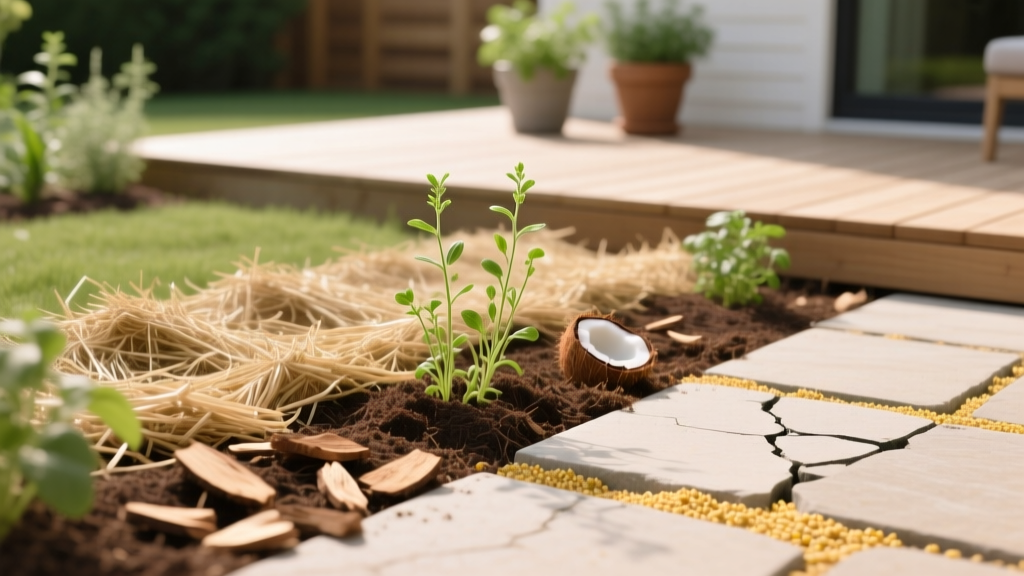
Organic Weed Control for Landscape Beds and Patios
David ParkPublished
The Shift Toward Chemical-Free Landscaping
For decades, the landscaping industry relied heavily on synthetic herbicides to maintain pristine garden beds and weed-free hardscapes. However, a growing awareness of the environmental and health impacts of these chemicals has led homeowners and professional landscapers alike to embrace organic, chemical-free approaches. Managing weeds without synthetic poisons is not only possible; it often results in a more resilient, ecologically balanced landscape. By focusing on soil health, physical barriers, and natural botanical treatments, you can effectively control weeds in your garden beds and patio cracks while protecting local waterways, pollinators, and your family's health.
The Hidden Costs of Synthetic Herbicides
Traditional landscaping often utilizes broad-spectrum herbicides like glyphosate or selective killers like 2,4-D. While effective in the short term, these chemicals can have devastating long-term consequences on your landscape's ecosystem. Synthetic herbicides can disrupt the delicate balance of soil microbiology, killing off beneficial mycorrhizal fungi and bacteria that help ornamental plants absorb nutrients. Furthermore, chemical runoff from driveways and garden beds frequently finds its way into storm drains, eventually polluting local rivers and lakes.
The Environmental Protection Agency (EPA) notes that many conventional pesticides carry risks that require careful handling and can persist in the environment. Transitioning to minimum-risk and organic alternatives reduces these environmental hazards significantly. When you eliminate synthetic chemicals, you allow the natural soil food web to recover, which is the first and most crucial step in long-term, organic weed management.
Cultural Controls: The Foundation of Organic Landscaping
Before reaching for any spray or mulch, the most effective organic weed control strategy is cultural prevention. Weeds are opportunistic; they thrive in bare, compacted, or disturbed soil. By altering the environment to favor your desired plants, you naturally suppress weed growth.
- Dense Plantings: Design your garden beds with mature plant sizes in mind. By spacing perennials, shrubs, and groundcovers closely enough so their canopies touch at maturity, you shade out the soil, preventing weed seeds from receiving the sunlight they need to germinate.
- The Stale Seedbed Technique: When preparing a new garden bed, till or turn the soil and then wait two weeks. Allow the first flush of weed seeds to germinate, then shallowly hoe them off without turning the soil again (which would bring up new seeds). This drastically reduces the weed seed bank before you plant your desired specimens.
- Smart Watering: Avoid overhead irrigation, which waters the entire soil surface and encourages weed germination. Instead, use drip irrigation or soaker hoses targeted directly at the root zones of your ornamental plants, leaving the surrounding soil dry and inhospitable to weeds.
Organic Mulching Strategies for Garden Beds
Mulch is the workhorse of the organic landscape. A proper layer of organic mulch blocks sunlight from reaching weed seeds, retains soil moisture, and breaks down over time to feed the soil microbiome. For optimal weed suppression in landscape beds, apply a 3-to-4-inch layer of mulch. Be sure to keep the mulch a few inches away from the base of shrubs and tree trunks to prevent rot and rodent damage.
According to guidelines supported by the United States Department of Agriculture (USDA), organic mulches are a cornerstone of sustainable land management, improving soil structure while suppressing competitive weeds. Below is a comparison of the most effective organic mulches for landscape beds:
| Mulch Material | Weed Suppression | Longevity | Moisture Retention | Best Use Case |
|---|---|---|---|---|
| Arborist Wood Chips | Excellent | 2-3 Years | High | Large shrub beds, tree rings, pathways |
| Shredded Hardwood | Very Good | 1-2 Years | Medium-High | Formal garden beds, perennial borders |
| Pine Straw | Good | 6-12 Months | Medium | Acid-loving plants, slopes (resists washing) |
| Cocoa Bean Hulls | Excellent | 1 Year | High | Small ornamental beds (Note: Toxic to dogs) |
Natural Pre-Emergent Herbicides: Corn Gluten Meal
For garden beds and the edges of patios where mulch isn't enough, organic pre-emergent herbicides offer a powerful line of defense. The most widely researched and effective natural pre-emergent is Corn Gluten Meal (CGM). Originally discovered by researchers at Iowa State University, CGM is a byproduct of corn milling that naturally inhibits the formation of roots in germinating seeds. It will not kill existing weeds, but it stops new ones from establishing.
Application Guidelines for Corn Gluten Meal:
- Rate: Apply at a rate of 20 pounds per 1,000 square feet. This provides approximately 60% weed suppression in the first year, increasing to over 80% by the third year of consecutive use.
- Timing: Timing is critical. Apply CGM in early spring when soil temperatures reach 55°F (often coinciding with the blooming of forsythia or crocus). A second application in early fall can prevent winter annual weeds like henbit and chickweed.
- Activation: Water the area lightly immediately after application to activate the inhibiting proteins, then allow the top layer of soil to dry out. If the soil remains constantly wet, the weed seeds may overcome the CGM barrier.
- Caution: Because CGM is non-selective, do not apply it in areas where you are trying to grow plants from seed. It is perfectly safe to use around established transplants, shrubs, and perennials.
Post-Emergent Organic Treatments for Hardscape Cracks
Weeds growing in the cracks of paver patios, stone walkways, and driveways are a common landscaping nuisance. In these areas, mulch is not an option, and pulling deep-rooted weeds like dandelions from tight crevices is nearly impossible. For post-emergent control in hardscapes, organic landscapers rely on contact herbicides and thermal treatments.
Horticultural Vinegar (20% Acetic Acid)
While household vinegar (5% acidity) is too weak to kill anything but the most tender seedlings, horticultural vinegar containing 20% to 30% acetic acid is a potent, fast-acting organic herbicide. Products like Green Gobbler 20% Vinegar burn down the foliage of weeds on contact within hours. The National Pesticide Information Center (NPIC) highlights that acetic acid acts as a rapid desiccant, destroying plant cell membranes upon contact.
Safety Warning: Unlike 5% culinary vinegar, 20% acetic acid is highly corrosive and can cause severe eye damage and skin burns. Always wear safety goggles, long sleeves, and chemical-resistant gloves when applying. Spray on a calm, sunny day for maximum effectiveness, as the sun accelerates the burning process.
Thermal Weed Control
For a completely chemical-free approach to patio cracks, thermal weeding is highly effective.
- Boiling Water: Simply pouring a kettle of boiling water directly onto weeds in driveway cracks will cook the plant and its shallow roots instantly. This is free, 100% organic, and leaves no residue.
- Flame Weeding: Using a specialized propane flame weeder, you can pass a high-heat flame over the weeds. The goal is not to incinerate the weed to ash, but to boil the water inside the plant's cells, causing them to rupture. The weed will wilt and die within a day. Never use flame weeders near dry mulch or during drought conditions due to fire risks.
Building Soil Health to Outcompete Weeds
In organic landscaping, weeds are often viewed as indicators of underlying soil imbalances. For example, an abundance of broadleaf plantain indicates heavily compacted soil, while white clover thrives in nitrogen-poor environments. Rather than simply killing the weeds, the organic approach seeks to correct the soil conditions that allowed them to thrive in the first place.
Top-dressing your landscape beds with a half-inch layer of high-quality, OMRI-listed organic compost once a year introduces beneficial microbes and improves soil structure. Aerating compacted areas around hardscapes and incorporating organic matter will encourage the deep, vigorous root growth of your desired turf and ornamentals. When your landscape plants are robust and healthy, they naturally outcompete weeds for light, water, and nutrients.
Conclusion
Transitioning to a chemical-free landscape requires a shift in mindset—from attempting to eradicate nature with synthetics to managing an ecological system. By utilizing dense plantings, applying the right organic mulches, timing corn gluten meal applications correctly, and using natural contact treatments for hardscape cracks, you can maintain a stunning, weed-managed landscape. Organic weed control is not just a safer choice for the environment; it is an investment in the long-term vitality and beauty of your outdoor living spaces.

