
Landscaping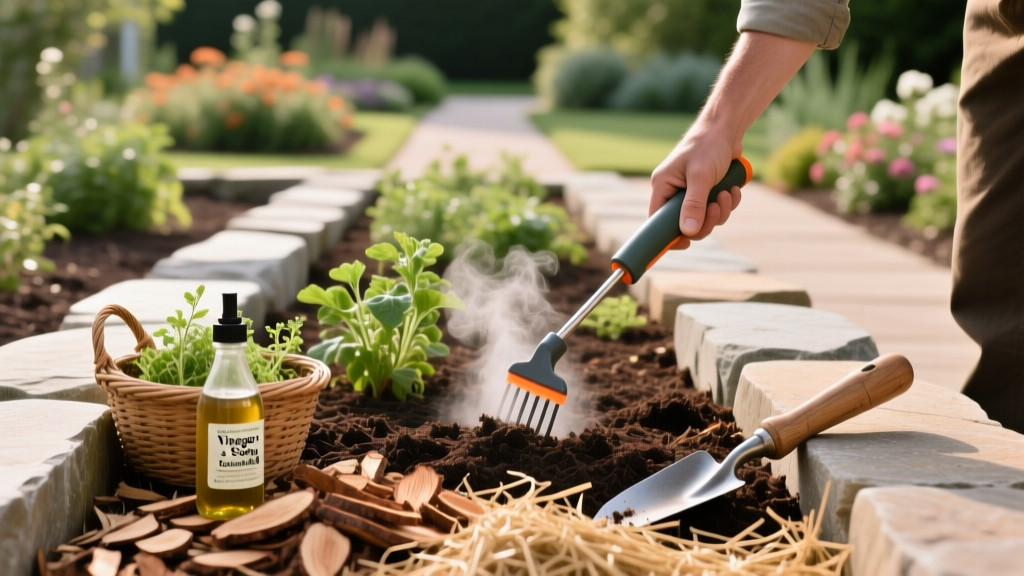
Chemical-Free Weed Control for Garden Beds and Hardscapes
Robert HayesPublished
The Shift to Organic Landscape Management
In recent years, the landscaping industry and home gardeners alike have undergone a massive paradigm shift regarding weed management. The environmental and health concerns associated with synthetic herbicides, particularly those containing glyphosate, have driven a demand for sustainable, chemical-free alternatives. According to the EPA's Safer Pest Control guidelines, integrating organic and non-chemical methods into your landscape maintenance routine not only protects local watersheds and beneficial pollinators but also fosters long-term soil health. Whether you are managing a sprawling perennial garden bed or battling dandelions pushing through your paver patio, organic weed control requires a strategic, multi-pronged approach. This guide explores actionable, chemical-free methods to keep your landscape pristine without relying on synthetic toxins.
Pre-Emergent Organic Strategies: Stopping Weeds Before They Start
The most effective weed is the one that never sprouts. Pre-emergent strategies focus on creating an environment where weed seeds cannot successfully germinate or establish root systems.
Corn Gluten Meal (CGM)
Corn Gluten Meal is a natural byproduct of corn milling that acts as an organic pre-emergent herbicide. It works by inhibiting the formation of feeder roots in germinating seeds, effectively causing the seedling to dehydrate and die before it can establish. Products like Espoma Organic Weed Preventer are widely available and easy to apply.
- Application Rate: Apply 20 lbs per 1,000 square feet.
- Timing: Timing is critical. Apply in early spring when soil temperatures consistently reach 55°F (just as forsythia bushes begin to bloom), and again in early fall to prevent winter annuals.
- Cost: Approximately $45 to $60 per 50-lb bag.
- Caveat: CGM is high in nitrogen (roughly 10-0-0). It will fertilize existing plants and grass, so factor this into your overall organic feeding schedule. It does not kill existing weeds.
Organic Mulching Techniques
A thick layer of organic mulch is the cornerstone of any chemical-free landscape. The University of California Integrated Pest Management (UC IPM) program highly recommends using organic mulches to block sunlight from reaching weed seeds, thereby preventing photosynthesis and germination.
- Material: Arborist wood chips, shredded bark, or pine straw. Avoid dyed mulches, as they offer no nutritional benefit to the soil.
- Depth: Maintain a 3 to 4-inch layer. Any less, and aggressive weeds like nutsedge will easily penetrate; any more, and you risk suffocating the roots of your desired plants.
- Preparation: Always lay down a layer of wet cardboard or biodegradable landscape paper beneath the mulch for an extra physical barrier against stubborn perennial weeds.
Post-Emergent Chemical-Free Weed Killers
When weeds inevitably breach your defenses, you need effective post-emergent tools that do not leave toxic residues in your soil.
Horticultural Vinegar (Acetic Acid)
Forget the 5% distilled white vinegar in your pantry; it is largely ineffective on mature weeds. For landscaping, you need horticultural vinegar, which contains a 20% to 30% concentration of acetic acid. This acts as a contact herbicide, rapidly drawing moisture out of the plant's foliage and causing it to desiccate within hours.
However, safety is paramount. The National Pesticide Information Center (NPIC) warns that acetic acid concentrations above 11% are highly corrosive and can cause severe eye damage and skin burns. Always wear chemical-resistant gloves, long sleeves, and full-face splash goggles when handling and spraying 20% or 30% acetic acid.
- Recipe: Mix 1 gallon of 20% horticultural vinegar with 1 ounce of biodegradable dish soap (to act as a surfactant, helping the liquid stick to waxy weed leaves).
- Timing: Spray on hot, sunny days when temperatures exceed 80°F. The sun accelerates the desiccation process.
- Cost: $30 to $45 per gallon.
Thermal Weeding (Flame Weeding)
Flame weeding utilizes a specialized propane torch to pass a high-heat flame over the weed. The goal is not to incinerate the plant to ash, but to boil the water inside the plant's cells, causing them to rupture. A properly flamed weed will show a thumbprint mark when you squeeze a leaf, and it will wilt and die within 24 hours.
- Equipment: A backpack-style propane tank with a wand attachment (e.g., the Dragon Flame Weeder or Weed Dragon). Initial cost is $80 to $150.
- Technique: Keep the flame moving. A 2 to 3-second pass per weed is all that is required.
- Best Use Case: Highly effective for young, succulent annual weeds. It is also the ultimate solution for weeds growing in gravel driveways or hardscape cracks where mulch cannot be applied.
Comparison Chart: Organic Weed Control Methods
Choosing the right method depends on your specific landscape zone, budget, and the type of weeds you are facing. Below is a structured comparison of the top chemical-free strategies.
| Method | Target Weeds | Application Rate / Timing | Estimated Cost | Pros & Cons |
|---|---|---|---|---|
| Corn Gluten Meal | Annual broadleaf & grassy weeds (Pre-emergent) | 20 lbs / 1,000 sq ft; Early Spring & Fall | $45 - $60 / 50 lbs | Pro: Adds nitrogen to soil. Con: Ineffective on existing weeds. |
| Arborist Wood Chips | Most annuals & some perennials (Suppressant) | 3-4 inch depth; Refresh annually | $0 - $30 (Often free from arborists) | Pro: Improves soil biology. Con: Can tie up surface nitrogen temporarily. |
| 20% Acetic Acid | Young annuals & broadleaf weeds (Post-emergent) | Spray to wet; Hot, sunny afternoons | $30 - $45 / gallon | Pro: Fast-acting visible results. Con: Corrosive; requires PPE; non-systemic. |
| Flame Weeding | Succulent annuals; Hardscape cracks | 2-3 second pass; Any dry day | $80 - $150 (One-time equipment) | Pro: Zero chemical residue; great for gravel. Con: Fire hazard in dry climates. |
| Boiling Water | Isolated weeds in paver/driveway cracks | Pour directly on crown; As needed | Free (Cost of heating water) | Pro: 100% safe and free. Con: Impractical for large areas; burns desired plants. |
Step-by-Step Action Plan for Hardscape Cracks
Weeds in hardscapes—such as paver patios, concrete driveways, and retaining wall crevices—present a unique challenge. The soil in these cracks is shallow, compacted, and difficult to mulch. Follow this chemical-free protocol to reclaim your hardscapes:
- Initial Eradication: Use a flame weeder or pour a kettle of boiling water directly onto the crown of the existing weeds. This kills the foliage and damages the shallow root systems without introducing corrosive acids to your concrete or stone.
- Manual Extraction: Once the weeds have wilted, use a specialized patio weeding tool or a stiff wire brush to scrape out the dead plant matter and the top inch of organic debris from the crack.
- Preventative Sealing: Sweep away all loose dust and debris. Apply polymeric sand into the joints. Unlike regular masonry sand, polymeric sand contains binding agents that harden when misted with water, creating a solid, impenetrable barrier that locks out weed seeds and prevents ants from mining the joints.
- Maintenance: Inspect the hardscape after heavy spring rains. If any polymeric sand has washed out, immediately top it up before weed seeds can find a home.
Long-Term Soil Health and Weed Suppression
In organic landscaping, weeds are often viewed not just as pests, but as bio-indicators of soil health. A heavy infestation of prostrate knotweed or dandelions often indicates severe soil compaction, while an explosion of white clover suggests your soil is deficient in nitrogen. By addressing the underlying soil conditions through aeration, compost top-dressing, and balancing soil pH based on a professional soil test, you naturally create an environment where desired turf and ornamental plants outcompete weeds.
"Organic weed management is not about finding a silver bullet to replace synthetic sprays; it is about building a resilient landscape ecosystem where weeds simply cannot gain a foothold."
Transitioning to chemical-free weed control in your garden beds and hardscapes requires patience and a willingness to combine multiple tactics. By layering pre-emergent barriers like corn gluten meal, utilizing physical mulch, and deploying targeted thermal or acetic acid treatments for breakouts, you can maintain a stunning, curb-appealing landscape that is safe for your family, pets, and the local ecosystem.

