
Landscaping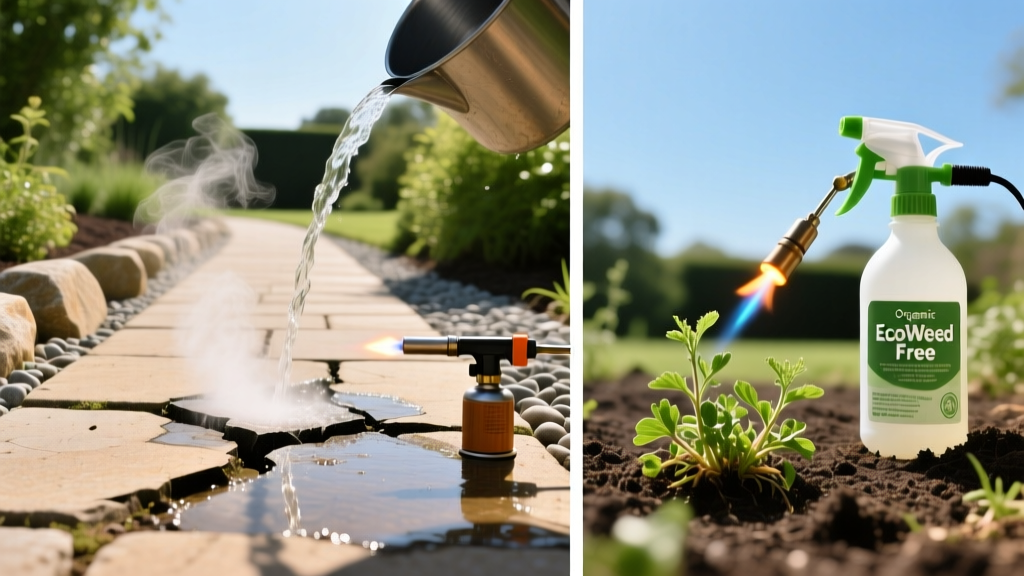
Chemical-Free Weed Control for Hardscapes and Paths
Robert HayesPublished
The Hidden Costs of Synthetic Herbicides in Hardscapes
Hardscaping elements like stone patios, brick walkways, and concrete driveways form the backbone of a well-designed landscape. However, the inevitable growth of weeds in the joints and cracks of these structures can quickly degrade their aesthetic appeal. For decades, homeowners have relied on synthetic, broad-spectrum herbicides like glyphosate or imazapyr to keep these areas pristine. While effective, these chemical approaches come with significant environmental drawbacks.
When applied to impermeable surfaces like concrete and stone, synthetic herbicides are highly prone to runoff. During the next rainstorm, these toxic chemicals wash directly into storm drains, bypassing water treatment facilities and entering local waterways. According to the Environmental Protection Agency (EPA), minimizing pesticide runoff is critical for protecting aquatic ecosystems and local drinking water sources. Furthermore, repeated use of synthetic chemicals degrades the soil microbiome in adjacent garden beds and poses health risks to pets and children who play on these surfaces.
Transitioning to a chemical-free, organic approach for hardscape weed control not only protects the environment but also yields long-lasting results when paired with proper preventative landscaping techniques.
Top Chemical-Free Weed Eradication Methods
When weeds have already breached your patio joints or driveway cracks, you need effective post-emergent solutions that do not rely on synthetic toxins. Here are the most reliable organic methods available to homeowners.
1. Horticultural Vinegar and Surfactant Blends
Standard household vinegar (5% acetic acid) is generally too weak to kill established weeds. However, horticultural vinegar, which contains a 20% to 30% concentration of acetic acid, is a potent, non-selective organic herbicide. It works by rapidly desiccating the foliage of the plant, causing it to dry out and die within hours.
- Recipe: Mix 1 gallon of 20% horticultural vinegar with 1 cup of orange oil (d-limonene) and 1 tablespoon of liquid castile soap. The soap acts as a surfactant, breaking the surface tension of the water so the acid clings to the leaves rather than rolling off.
- Application: Spray directly onto the weed foliage on a hot, sunny day. The sun accelerates the desiccation process.
- Cost: Approximately $25 to $35 per gallon of 20% acetic acid.
- Safety Warning: 20% acetic acid is highly corrosive and can cause severe eye damage or skin burns. Always wear safety goggles, long sleeves, and chemical-resistant gloves when mixing and applying.
2. Thermal Weeding with Propane Torches
Flame weeding is an incredibly satisfying and highly effective chemical-free method. Using a specialized propane torch attached to a wand, you expose the weeds to intense heat. The goal is not to burn the plant to ash, but rather to boil the water inside the plant's cells. This causes the cells to rupture, and the plant will wilt and die within a few days.
- Equipment: A 100,000 BTU propane torch kit with a push-button igniter and a long wand.
- Technique: Pass the flame over the weed for just 1 to 2 seconds. The leaves should look slightly wilted or change color; they do not need to turn black.
- Timing: Early morning is best, as the dew on the leaves helps conduct the heat into the plant tissue.
- Cost: $50 to $100 for a high-quality wand and hose kit (excluding the propane tank).
3. Boiling Water and Targeted Salting
For small, isolated weeds popping up between pavers, boiling water is a free and instantly effective shock treatment. The extreme heat cooks the plant tissues on contact. For deep, stubborn cracks in concrete driveways where you never want anything to grow again, a heavy application of rock salt can create a sterile, hyper-saline environment that prevents future germination. Note: Never use salt near garden beds or lawns, as it will permanently ruin the soil structure and kill surrounding desirable plants.
Organic Pre-Emergent Strategies
Killing existing weeds is only half the battle. To maintain a pristine hardscape, you must stop weed seeds from germinating in the first place.
Corn Gluten Meal Application
Corn gluten meal is a natural byproduct of corn processing that acts as a highly effective organic pre-emergent herbicide. It works by inhibiting the formation of roots in newly germinated seeds, effectively killing the seedling before it can establish itself. According to The Old Farmer's Almanac, corn gluten meal is a cornerstone of organic lawn and landscape maintenance.
- Application Rate: Apply 20 pounds per 1,000 square feet of hardscape and adjacent soil.
- Timing: Apply in early spring when soil temperatures consistently reach 55°F, which is when crabgrass and many broadleaf weed seeds begin to germinate.
- Bonus: Corn gluten meal contains about 10% nitrogen by weight, providing a mild, organic fertilizer boost to adjacent turf or garden beds.
Comparison Chart: Organic Weed Control Methods
Choosing the right method depends on the size of your hardscape, the type of weeds present, and your budget. Refer to the table below to select the best chemical-free approach for your landscape.
| Method | Target Weed Stage | Estimated Cost | Reapplication Frequency | Key Safety Precaution |
|---|---|---|---|---|
| Horticultural Vinegar (20%) | Post-emergent (Annuals & Young Perennials) | $25 - $35 / gallon | Every 2-3 weeks for persistent perennials | Wear goggles and acid-resistant gloves |
| Flame Weeding (Propane) | Post-emergent (Broadleaf & Grasses) | $50 - $100 (initial kit) | As needed (usually 1-2 passes) | Fire risk; avoid dry mulch or drought conditions |
| Boiling Water | Post-emergent (Small, isolated weeds) | Free (Cost of heating) | As needed | Burn hazard; carry carefully |
| Corn Gluten Meal | Pre-emergent (Seeds) | $30 - $45 / 20 lb bag | Twice a year (Spring and Fall) | Do not use where you want new seeds to grow |
Preventative Landscaping: Sealing the Gaps
The most effective chemical-free weed control strategy is to eliminate the environment where weeds thrive. Weeds require soil, moisture, and light to grow. By properly sealing the joints in your hardscaping, you remove these necessities.
Polymeric Sand: Unlike traditional masonry sand, polymeric sand contains special binding agents that harden when exposed to water. After sweeping the sand into the joints of your pavers or flagstone, a light misting with a garden hose activates the polymers, creating a flexible, concrete-like barrier that locks out weed seeds and deters ants. Polymeric sand typically costs between $20 and $30 per 30-pound bag and can last up to 10 years before requiring a top-up.
Proper Base Preparation: If you are installing a new hardscape, ensure the base consists of at least 4 to 6 inches of compacted crushed gravel. This creates a stable, well-draining foundation that lacks the organic matter and moisture retention necessary for weed seeds to survive, even if they manage to bypass the surface joints.
Maintaining a Pristine, Chemical-Free Landscape
Adopting organic methods requires a slight shift in mindset. Synthetic herbicides offer a 'spray and forget' convenience, but they come at a high ecological cost. Organic weed management is about consistency and prevention. By combining thermal weeding for immediate eradication, horticultural vinegar for broad applications, and polymeric sand for long-term prevention, you can maintain stunning, weed-free hardscapes. As highlighted by the Natural Resources Defense Council (NRDC), shifting to organic landscaping practices is one of the most impactful ways homeowners can reduce local water pollution and promote a healthier, more sustainable ecosystem right in their own backyards.

