Home & Garden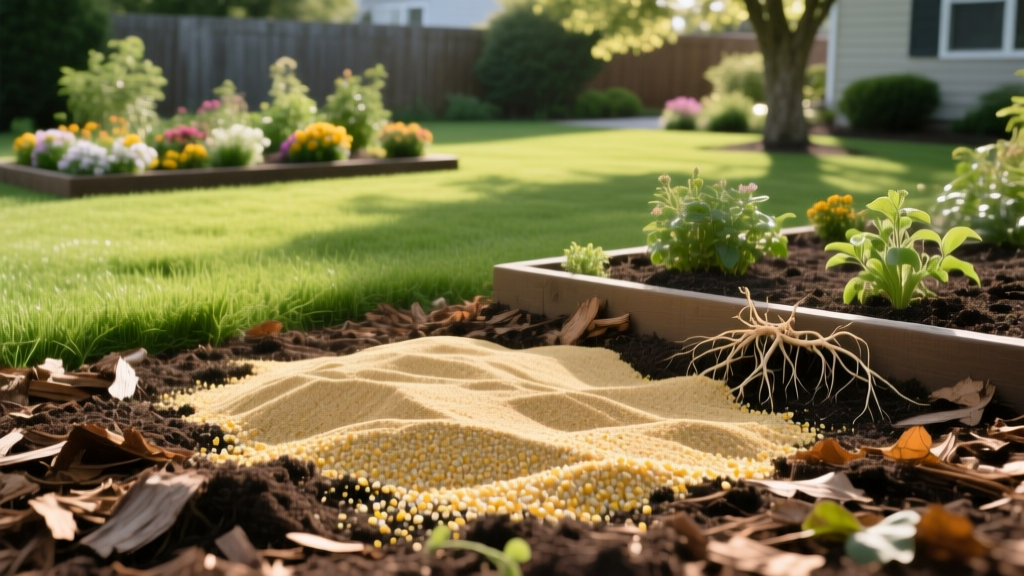
Organic Weed Control Strategies for Lawns and Gardens
Robert HayesPublished
The Shift Toward Chemical-Free Lawn and Garden Care
For decades, the standard approach to maintaining pristine lawn borders and productive garden-to-table vegetable beds relied heavily on synthetic herbicides. However, as homeowners become increasingly aware of the environmental and health impacts of chemicals like glyphosate and 2,4-D, the demand for organic, chemical-free landscaping has surged. Bridging the gap between a beautiful outdoor living space and a safe, edible garden requires a strategic approach to weed management that prioritizes soil health, natural pre-emergents, and smart home integration.
According to research highlighted by Penn State Extension, transitioning to an organic lawn care program not only reduces chemical runoff into local watersheds but also builds a more resilient turfgrass ecosystem. When you eliminate synthetic chemicals, you protect your pets, children, and the beneficial pollinators that are essential for your garden-to-table harvests. This comprehensive guide will walk you through actionable, chemical-free weed control strategies tailored for both your turfgrass and your garden beds.
Corn Gluten Meal: The Organic Pre-Emergent Powerhouse
Corn Gluten Meal (CGM) is a byproduct of the corn milling process that has revolutionized organic weed control. Discovered by researchers at Iowa State University, CGM acts as a natural pre-emergent herbicide. It does not kill existing weeds; rather, it inhibits the formation of roots in newly germinated seeds. As a bonus, CGM is naturally high in nitrogen (typically around 10-0-0), meaning it feeds your lawn and garden borders while simultaneously suppressing weed seeds like crabgrass, dandelions, and pigweed.
Application Rates and Timing
To use CGM effectively, timing is everything. The pre-emergent properties are only activated when the seeds are germinating, which typically occurs when soil temperatures consistently reach 55°F in the spring. For late-summer weeds, a second application is necessary in late August.
- Application Rate: Apply 20 pounds of CGM per 1,000 square feet of lawn or garden border.
- Watering: Water the area lightly immediately after application to activate the natural oils that coat the soil surface. Follow this with a dry period of 5 to 7 days to ensure the weed seedlings dry out and die before they can establish roots.
- Cost: Expect to pay between $35 and $50 for a 40-pound bag, which covers 2,000 square feet.
Important Note: Because CGM prevents all seeds from germinating, do not use it in garden beds where you intend to direct-sow vegetables or flowers. It is best reserved for established lawns, perennial borders, and around the bases of mature outdoor furniture planters.
Sheet Mulching: Smothering Weeds in Garden Beds
For garden-to-table beds and decorative landscaping borders, sheet mulching (often called the 'lasagna method') is the ultimate chemical-free weed barrier. This technique mimics the natural forest floor, suppressing weeds while simultaneously building rich, loamy topsoil. The Rodale Institute, a pioneer in organic agriculture, heavily advocates for mulching and soil-covering techniques to outcompete weeds naturally without disturbing the soil microbiome.
The Lasagna Layering Method
- Mow and Prep: Mow the existing weeds or grass in the garden bed area as short as possible. Leave the clippings in place.
- The Cardboard Layer: Lay down overlapping sheets of plain, uncoated corrugated cardboard (remove all plastic tape and labels). Overlap the edges by at least 6 inches to prevent weeds from finding a gap. Wet the cardboard thoroughly with a hose.
- The Compost Layer: Add a 2-inch layer of organic compost directly on top of the wet cardboard. This provides immediate nutrients for your transplants.
- The Mulch Layer: Top the compost with 3 to 4 inches of organic mulch. Arborist wood chips are excellent for pathways and perennial borders, while organic straw or shredded leaf mold is preferable for vegetable beds.
By the end of the season, the cardboard will have completely decomposed, earthworms will have integrated the organic matter, and your soil will be virtually weed-free and highly fertile.
Smart Irrigation: Preventing Weed-Friendly Environments
Weeds like nutsedge, annual bluegrass, and creeping Charlie thrive in overwatered, poorly drained soils. One of the most effective, yet overlooked, organic weed control strategies is upgrading your outdoor water management. By integrating smart home irrigation controllers (such as Rachio or Hunter Hydrawise) paired with soil moisture sensors, you can ensure your lawn and garden receive deep, infrequent watering rather than shallow, daily sprinklings.
Deep watering encourages turfgrass and desirable plants to send roots deep into the soil profile, making them drought-tolerant and highly competitive against shallow-rooted weeds. Smart controllers adjust watering schedules based on local hyper-local weather data, preventing the accidental overwatering that triggers massive flushes of weed seed germination.
Comparison Chart: Organic Weed Control Methods
Choosing the right organic method depends on your specific landscape zone. Below is a structured comparison to help you plan your seasonal maintenance.
| Method | Best Use Case | Application Rate / Depth | Cost Estimate | Duration of Control |
|---|---|---|---|---|
| Corn Gluten Meal | Established lawns, perennial borders | 20 lbs per 1,000 sq ft | $$ | 4-6 weeks |
| Sheet Mulching | New garden beds, tree rings | Cardboard + 4 inches mulch | $ | 1-2 years |
| Horticultural Vinegar | Patio cracks, driveway edges | 20% Acetic Acid (Spot spray) | $$ | Immediate (Contact only) |
| Flame Weeding | Vegetable rows, fence lines | Pass over weeds until wilted | $$$ (Equipment) | Immediate (Contact only) |
| Boiling Water | Small patio gaps, isolated weeds | Direct pour on crown | $ | Immediate (Contact only) |
Post-Emergent Organic Tactics: Heat and Acidity
When weeds inevitably break through your defenses, chemical-free post-emergent control requires physical or thermal intervention. Household vinegar (5% acetic acid) is largely ineffective against mature weeds, but horticultural vinegar (20% to 30% acetic acid) is a potent, fast-acting contact herbicide approved for organic use.
Safety and Application: 20% acetic acid is highly caustic and can cause severe eye and skin damage. Always wear goggles, long sleeves, and gloves. Spray on a hot, sunny day for maximum efficacy, as the sun helps the acid rapidly desiccate the plant tissue. Caution: Avoid spraying near natural stone outdoor furniture, patios, or hardscaping, as the high acidity can etch and stain limestone and concrete.
For weeds growing in the cracks of driveways or near wooden outdoor decor where vinegar might cause discoloration, flame weeding is an excellent alternative. Using a specialized propane torch wand, you do not need to burn the weed to ash; simply passing the flame over the plant for a fraction of a second boils the water inside the plant's cells, causing it to wilt and die within hours.
Building Soil Health to Outcompete Weeds
The ultimate goal of any organic landscaping program is to create an environment where desirable plants thrive and weeds struggle. Weeds are often indicators of soil deficiencies or compaction. For example, an abundance of broadleaf plantain usually indicates heavily compacted soil, while an explosion of clover suggests nitrogen-poor earth.
According to turfgrass specialists at the University of Minnesota Extension, maintaining a dense, vigorous lawn is the single best defense against weed invasion. To achieve this organically:
- Aerate Annually: Core aeration in the fall relieves soil compaction, allowing oxygen and water to reach grassroots.
- Top-Dress with Compost: After aerating, spread a quarter-inch layer of finely screened organic compost across the lawn. This introduces beneficial microbes that break down thatch and make nutrients available to the grass.
- Overseed with Competitive Blends: Use a mix of turf-type tall fescue and micro-clover. Micro-clover naturally fixes nitrogen in the soil, feeding the surrounding grass while staying low enough to blend seamlessly into the turf.
- Mow High: Set your mower deck to 3.5 or 4 inches. Taller grass shades the soil surface, keeping it cool and preventing sunlight from reaching germinating weed seeds.
Conclusion
Transitioning to a chemical-free approach for your lawn and garden beds is a rewarding investment in your property's long-term health and your family's safety. By leveraging natural pre-emergents like corn gluten meal, employing sheet mulching in your garden-to-table beds, and utilizing smart irrigation to prevent overwatering, you can maintain a stunning outdoor living space without relying on synthetic herbicides. Organic weed control is not about achieving a sterile, artificial landscape; it is about cultivating a vibrant, living ecosystem that naturally keeps weeds in check while supporting the beauty and bounty of your home and garden.
