
Landscaping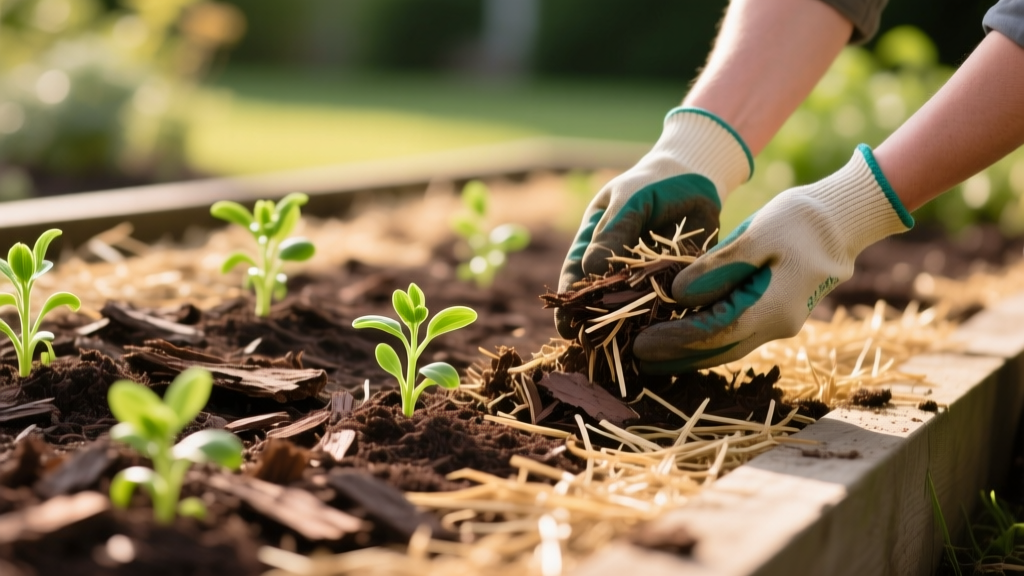
Organic Weed Control and Mulching for Landscape Beds
Sarah ChenPublished
Transitioning to a chemical-free landscape is one of the most impactful decisions a homeowner can make for their local ecosystem, soil health, and family safety. For decades, the landscaping industry relied heavily on synthetic herbicides and chemical fertilizers to maintain pristine garden beds. However, the long-term environmental costs of these products have become impossible to ignore. By embracing organic weed control and strategic mulching, you can cultivate vibrant, resilient landscape beds that naturally suppress weeds while building a thriving soil microbiome.
The Hidden Costs of Synthetic Herbicides
Synthetic herbicides, particularly those containing glyphosate, offer a quick fix for weed problems but inflict lasting damage on the soil food web. These chemicals do not discriminate; they decimate beneficial soil bacteria, mycorrhizal fungi, and earthworm populations that are essential for nutrient cycling and soil aeration. Furthermore, repeated use leads to herbicide-resistant superweeds, creating a toxic cycle of chemical dependency.
According to the Environmental Protection Agency (EPA), reducing chemical pesticide use and incorporating organic matter like compost into your landscape significantly improves soil structure, increases water retention, and prevents harmful chemical runoff into local watersheds. When you eliminate synthetic chemicals, you allow the natural ecosystem of your garden beds to restore itself, creating a living soil that naturally outcompetes many weed species.
Building a Chemical-Free Weed Defense System
Effective organic weed management is not about reacting to weeds after they appear; it is about proactively designing a landscape environment where weeds struggle to establish. This requires a multi-layered defense system focused on soil preparation and physical barriers.
Step 1: Soil Preparation and Solarization
If you are establishing a new landscape bed or reclaiming an area overrun with invasive weeds like Bermuda grass or bindweed, soil solarization is a highly effective, chemical-free eradication method. This process uses the sun's radiant heat to cook weed seeds, soil-borne pathogens, and existing root systems.
- Timing: Perform solarization during the hottest 4 to 6 weeks of summer.
- Preparation: Mow or weed-whack the area as short as possible. Water the soil deeply to a depth of 12 inches, as moist soil conducts heat better than dry soil.
- Application: Cover the area with 2 to 4 mil clear polyethylene plastic sheeting (do not use black plastic, as clear plastic traps more heat). Bury the edges of the plastic in a shallow trench to create an airtight seal.
- Result: Soil temperatures under the plastic can reach 120°F to 140°F, effectively sterilizing the top few inches of soil without a single drop of herbicide.
Step 2: Sheet Mulching (The Lasagna Method)
For existing beds or areas where solarization is not feasible, sheet mulching is an incredible organic technique. This method smothers existing weeds while simultaneously building rich topsoil.
- Mow down existing weeds and leave them in place as green manure.
- Lay down overlapping sheets of plain, uncoated corrugated cardboard (remove all plastic tape and labels). Ensure the cardboard overlaps by at least 6 inches to prevent weeds from finding a gap.
- Soak the cardboard thoroughly with a garden hose until it is completely saturated and conforms to the soil contours.
- Apply a 2-inch layer of organic compost directly over the wet cardboard.
- Top with 3 to 4 inches of your chosen organic mulch.
Within 6 to 8 weeks, the cardboard will decompose, earthworms will integrate the compost into the subsoil, and the underlying weeds will be entirely eradicated.
The Science of Organic Mulching
Mulch is the cornerstone of any chemical-free landscaping strategy. A proper mulch layer regulates soil temperature, conserves moisture, prevents erosion, and blocks the sunlight that weed seeds require for germination. The Rodale Institute, a pioneer in organic agricultural research, emphasizes that maintaining a continuous organic mulch cover is one of the most reliable methods for long-term weed suppression and soil carbon sequestration.
Choosing the Right Organic Mulch
Not all mulches are created equal. Selecting the right material depends on your budget, the specific plants in your bed, and your local climate. Below is a comparison chart of popular organic mulching materials:
| Mulch Type | Decomposition Rate | Avg. Cost per Cubic Yd | Best Application | Soil pH Impact |
|---|---|---|---|---|
| Shredded Hardwood Bark | Slow (2-3 years) | $30 - $45 | Perennial beds, shrubs, trees | Neutral |
| Pine Needles (Pine Straw) | Moderate (1-2 years) | $25 - $40 | Acid-loving plants (azaleas, blueberries) | Slightly Acidic |
| Straw (Seed-Free) | Fast (1 season) | $15 - $25 | Vegetable gardens, annual beds | Neutral |
| Leaf Mold / Shredded Leaves | Fast (6-12 months) | Free (DIY) | Woodland gardens, soil amendment | Slightly Acidic to Neutral |
| Arborist Wood Chips | Very Slow (3-5 years) | Free to $20 | Pathways, large tree rings | Neutral |
Proper Mulching Techniques and Measurements
Applying mulch incorrectly can lead to stem rot, root suffocation, and even create a habitat for rodents. Follow these strict measurements for optimal results:
- Depth: Maintain a consistent depth of 2 to 3 inches for fine mulches (like compost or leaf mold) and 3 to 4 inches for coarse mulches (like wood chips or bark). Any thicker, and you risk blocking oxygen and water from reaching the root zone.
- The Donut Method: Never pile mulch against the trunks of trees or the crowns of shrubs (a practice known as 'volcano mulching'). Pull the mulch back 3 to 5 inches from the base of the plant, creating a donut shape to prevent moisture buildup and bark decay.
- Refresh Rate: Top-dress your beds with a fresh 1-inch layer of mulch annually in the spring to maintain the proper depth as the underlying layers decompose into humus.
Organic Pre-Emergent and Post-Emergent Solutions
Even with excellent mulching and physical barriers, wind-blown seeds and bird-dropped seeds will inevitably find their way into your landscape beds. When physical weeding is not enough, organic gardeners have access to highly effective, OMRI-listed (Organic Materials Review Institute) botanical and mineral controls.
Corn Gluten Meal (Organic Pre-Emergent)
Corn gluten meal is a natural byproduct of the corn milling process that acts as a highly effective pre-emergent herbicide. It works by inhibiting the formation of roots in newly germinated seeds, effectively killing weeds before they ever break the soil surface. As a bonus, it contains approximately 10% nitrogen, providing a slow-release organic fertilizer for your established plants.
- Application Rate: Apply 20 pounds per 1,000 square feet.
- Timing: Timing is critical. Apply in early spring when soil temperatures reach 55°F (typically when forsythia bushes are blooming) to stop crabgrass and summer annuals. Apply again in early fall to prevent winter weeds.
- Activation: Water the area lightly immediately after application to activate the inhibiting proteins, then allow the soil surface to dry out for the next 5 to 7 days to ensure germinating weed seeds desiccate.
Horticultural Vinegar (Organic Post-Emergent)
For stubborn, established weeds that penetrate your mulch layer, or for weeds growing in hardscape cracks where mulch cannot be used, horticultural vinegar is a powerful contact herbicide. Unlike household vinegar (5% acetic acid), horticultural vinegar contains 20% to 30% acetic acid, which rapidly strips the waxy cuticle from weed leaves, causing them to desiccate and die within hours.
Safety Warning: 20% to 30% acetic acid is highly corrosive. You must wear heavy-duty nitrile gloves, long sleeves, and full-face eye protection when mixing and spraying. Always spray on a calm, sunny day to maximize effectiveness and prevent drift onto desirable landscape plants, as it is a non-selective herbicide.
While highly effective on young annual weeds, horticultural vinegar does not translocate to the roots. For deep-rooted perennials like dandelions or thistle, manual extraction using a stainless steel dandelion fork remains the most effective organic post-emergent strategy.
Long-Term Soil Health and Plant Spacing
The ultimate goal of organic landscaping is to create a closed-loop system where nature does the heavy lifting. The United States Department of Agriculture (USDA) notes that organic systems rely on biodiversity and ecological balance to manage pests and weeds. In your landscape beds, this means utilizing 'living mulches' and dense planting strategies.
By spacing your perennial plants, groundcovers, and ornamental grasses closer together, you create a dense canopy that shades the soil, naturally suppressing weed seed germination. Incorporating nitrogen-fixing groundcovers like creeping thyme, sweet woodruff, or Dutch white clover in the spaces between larger shrubs acts as a living barrier against weeds while continuously feeding the soil. Combine this with an annual top-dressing of high-quality organic compost, and your landscape beds will become a self-sustaining, chemical-free sanctuary that improves in health and beauty with each passing year.

