Lawn Care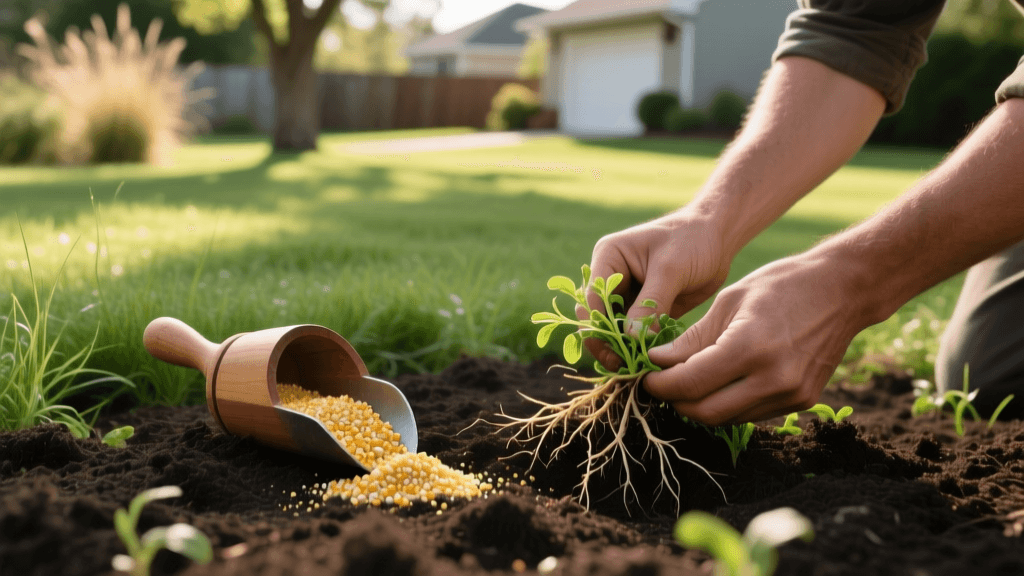
Organic Weed Control: Natural Lawn Care Without Chemicals
Introduction to Chemical-Free Weed Management
For decades, the standard approach to lawn care has relied heavily on synthetic herbicides like glyphosate, 2,4-D, and dicamba. While these chemicals offer quick results, they come with significant environmental costs, including soil microbiome destruction, groundwater contamination, and potential health risks for pets and children. Today, a growing movement of homeowners and landscaping professionals are turning to chemical-free and organic approaches to maintain pristine, lush lawns.
Transitioning to an organic lawn care routine requires a fundamental shift in perspective. According to the University of Minnesota Extension, organic lawn care is not merely about finding a natural substitute for synthetic chemicals; it is about cultivating a living, resilient soil ecosystem. When your soil is healthy, rich in organic matter, and teeming with beneficial microbes, your turfgrass becomes naturally vigorous and highly competitive against invasive weeds.
The Core Philosophy: Feed the Soil, Not Just the Plant
Weeds are often described as nature's band-aids. They thrive in compacted, nutrient-poor, or bare soils where desirable turfgrass struggles to survive. Therefore, the cornerstone of any organic weed control strategy is cultural management. By improving soil structure, optimizing pH, and encouraging deep root growth in your grass, you create an environment where weed seeds simply cannot establish themselves. The University of California Agriculture and Natural Resources IPM program emphasizes that a dense, healthy turf canopy is the single most effective barrier against weed invasion, as it shades the soil and prevents weed seeds from receiving the sunlight they need to germinate.
Pre-Emergent Defense: Corn Gluten Meal
One of the most powerful tools in the organic landscaper's arsenal is Corn Gluten Meal (CGM). Originally discovered as a natural pre-emergent herbicide by Dr. Nick Christians at Iowa State University, CGM is a byproduct of the corn milling process. It works by inhibiting the formation of root hairs in germinating seeds, effectively stopping weeds like crabgrass and dandelions before they can anchor into the soil.
Application Guidelines for Corn Gluten Meal
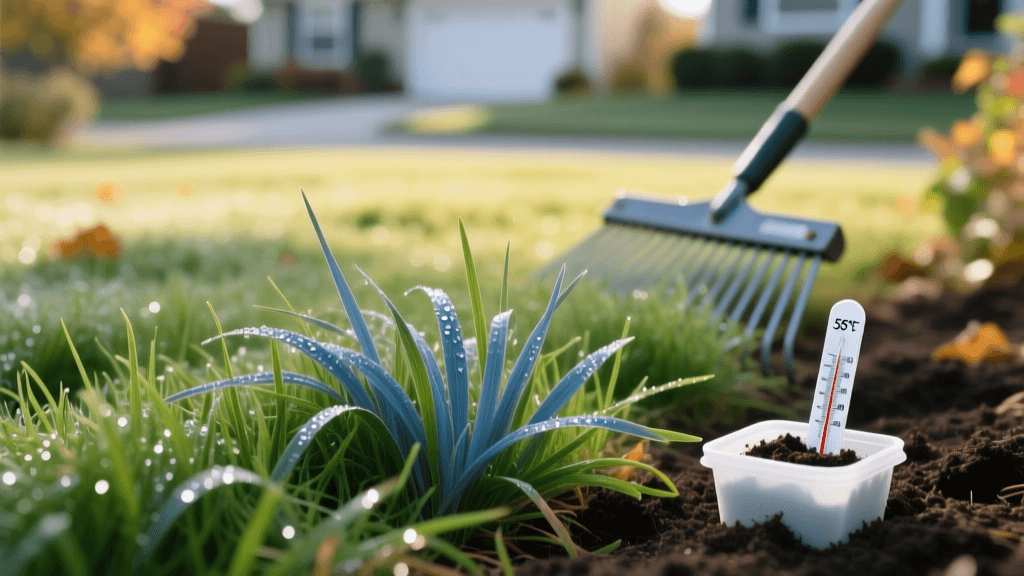
- Timing: CGM must be applied before weed seeds germinate. In early spring, apply when soil temperatures consistently reach 50°F to 55°F, which often coincides with the blooming of forsythia bushes. A second application in early fall helps prevent winter annual weeds.
- Rate: Apply at a rate of 20 pounds per 1,000 square feet. This provides approximately 10% slow-release organic nitrogen, feeding your lawn while preventing weeds.
- Cost: Expect to pay between $40 and $60 for a 20-pound bag of organic CGM products, such as Espoma Organic Weed Preventer.
- Crucial Caveat: CGM does not kill existing weeds. It is strictly a pre-emergent. Furthermore, do not apply CGM if you plan to overseed your lawn, as it will inhibit the germination of your desirable grass seeds just as it does weed seeds.
Post-Emergent Organic Solutions
If weeds have already breached your defenses, organic post-emergent options require a more targeted approach.
Iron-Based Herbicides (FeHEDTA)
Chelated iron (FeHEDTA) is a revolutionary organic post-emergent herbicide that selectively targets broadleaf weeds like dandelions, clover, and plantain without harming turfgrass. Weeds absorb the iron and suffer from tissue necrosis, while grasses naturally regulate iron uptake. Products like Fiesta Turf Weed Killer are OMRI-listed and can be applied when temperatures are below 85°F to avoid stressing the grass.
Horticultural Vinegar
While household vinegar (5% acetic acid) is largely ineffective on mature weeds, horticultural vinegar (20% to 30% acetic acid) acts as a potent, non-selective contact herbicide. It strips the waxy cuticle from leaves, causing rapid desiccation. Warning: Because it is non-selective, it will burn your grass. Reserve horticultural vinegar for weeds growing in driveway cracks, along fence lines, or in hardscape areas. Always wear protective eyewear and gloves when handling high-concentration acetic acid.
Manual and Mechanical Extraction
For isolated weeds or those with deep taproots, manual extraction remains the most effective and environmentally benign method. The key to successful manual weeding is removing the entire root system; leaving even a fraction of a dandelion's taproot will result in regrowth.
Recommended Tools and Techniques
- Stand-Up Weed Pullers: Tools like the Fiskars Uproot Weed Remover or the Yard Butler RKT-1000 allow you to extract deep taproots without bending over. Position the tines over the weed crown, step on the foot platform, and pull back on the handle to leverage the root out.
- Hand Weeders: The CobraHead Original Weeder is exceptional for prying out fibrous-rooted weeds and slicing through taproots in tight garden beds.
- Best Practices: Always weed after a heavy rain or a deep irrigation session. Moist, loose soil releases roots much more easily than dry, compacted clay. Aim to pull the weed at a 45-degree angle to follow the natural path of the root.
Cultural Practices: The Ultimate Defense
As noted by Penn State Extension, proper mowing and watering habits are your first line of defense against weeds.
- Mow High: Set your mower deck to 3.5 or 4 inches. Tall grass shades the soil surface, dropping soil temperatures and preventing light from reaching weed seeds. Research shows that mowing at 4 inches can reduce crabgrass infestation by up to 80% compared to mowing at 2 inches.
- Deep, Infrequent Watering: Water your lawn deeply (about 1 inch per week) but infrequently. This encourages grass roots to grow deep into the soil profile, making them drought-tolerant. Shallow, daily watering promotes shallow grass roots and creates the perfect moist surface environment for weed seed germination.
- Top-Dressing and Overseeding: In the fall, core aerate your lawn and top-dress with a 1/4-inch layer of screened compost. Follow this by overseeding with competitive, region-appropriate grasses like Turf-Type Tall Fescue or a microclover blend. Microclover naturally fixes nitrogen in the soil and forms a dense mat that chokes out broadleaf weeds.
Comparison Chart: Organic vs. Synthetic Weed Control
| Feature | Organic Approach | Synthetic Chemical Approach |
|---|---|---|
| Primary Mechanism | Soil health, competition, and natural inhibitors | Systemic or contact chemical disruption |
| Environmental Impact | Improves soil biology; zero toxic runoff | Risk of groundwater contamination and harm to pollinators |
| Speed of Results | Slower (requires patience and soil building) | Fast (visible burn-down in 24-48 hours) |
| Long-Term Cost | Lower (reduced inputs as soil becomes self-sustaining) | Higher (recurring chemical purchases required) |
| Pre-Emergent Option | Corn Gluten Meal (adds nitrogen to soil) | Prodiamine/Dithiopyr (inert, offers no nutritional value) |
Seasonal Organic Weed Management Calendar
To maintain a chemical-free lawn, consistency is key. Follow this seasonal calendar to stay ahead of the weeds:
- Early Spring: Apply Corn Gluten Meal when soil hits 55°F. Sharpen mower blades and raise the cutting height to 3.5 inches.
- Late Spring/Early Summer: Hand-pull any broadleaf weeds that emerge before they go to seed. Apply FeHEDTA (iron-based herbicide) for spot treatments if necessary.
- Mid-Summer: Focus on deep watering. Allow grass to go dormant during severe droughts rather than wasting municipal water; weeds will struggle just as much in a dormant, thick turf.
- Early Fall: Core aerate, top-dress with compost, and overseed bare patches. Apply a second round of Corn Gluten Meal to prevent winter annual weeds like henbit and chickweed.
- Late Fall: Mulch fallen leaves directly into the turf with your mower. Leaf mulch provides excellent organic matter and micronutrients, further building the soil ecosystem.
Conclusion
Achieving a weed-free lawn without synthetic chemicals is entirely possible, but it requires a commitment to holistic lawn management. By utilizing pre-emergents like corn gluten meal, leveraging targeted organic sprays, investing in high-quality manual extraction tools, and prioritizing soil health through compost and proper mowing, you can cultivate a vibrant, resilient lawn that naturally resists weed invasion. Not only will your turf look exceptional, but you will also be protecting your local watershed and creating a safe, toxic-free environment for your family and pets to enjoy.