
Landscaping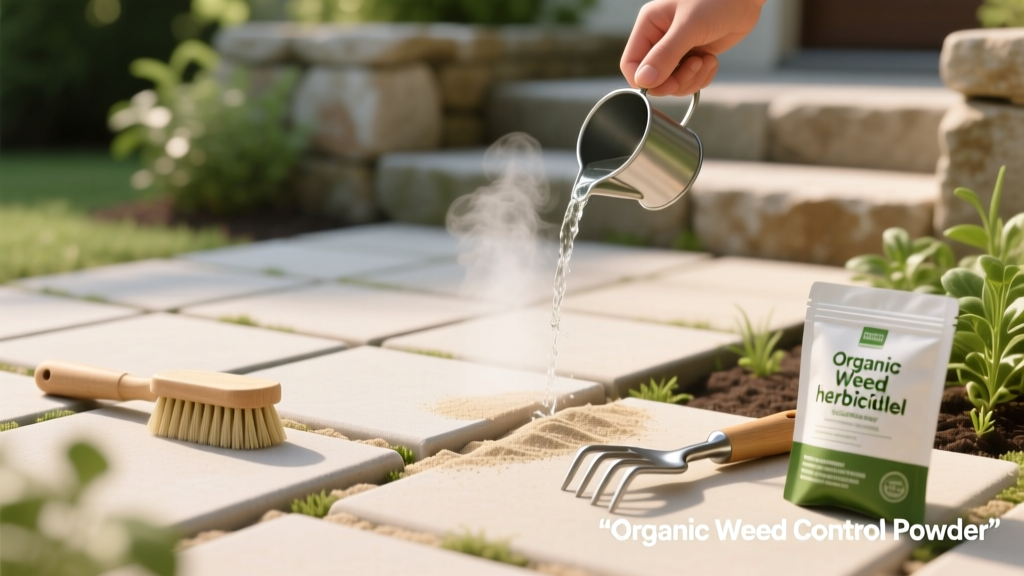
Organic Weed Control for Paver Joints and Hardscapes
Mike RodriguezPublished
Introduction to Hardscape Weed Management
Hardscaping elements like stone patios, brick walkways, and retaining walls are foundational to premium landscape design. They provide structure, define outdoor living spaces, and dramatically improve curb appeal. However, homeowners and landscaping professionals alike share a common nemesis: weeds sprouting in paver joints and hardscape cracks. While reaching for a synthetic, broad-spectrum herbicide might seem like the quickest fix, chemical-free and organic landscaping approaches offer safer, more sustainable, and highly effective alternatives. In this comprehensive guide, we explore the science behind hardscape weeds, the environmental impact of synthetic chemicals, and actionable organic methods to eradicate and prevent weeds in your outdoor spaces.
The Science of Weeds in Hardscape Joints
To effectively manage weeds without chemicals, you must first understand how they establish themselves in seemingly inhospitable environments. Paver joints and stone cracks naturally accumulate windblown topsoil, decaying leaf litter, and organic debris over time. This accumulation creates a shallow but highly fertile micro-environment. Weed seeds, carried by wind, birds, or garden equipment, settle into these joints. When exposed to morning dew and rainfall, these seeds germinate rapidly. Taproots from species like dandelions and plantains can exert immense hydraulic pressure, eventually displacing pavers, degrading jointing sand, and compromising the structural integrity of your hardscape installation.
Why Choose Chemical-Free Weed Management?
Transitioning to organic weed control is not merely a trend; it is a vital practice for sustainable landscaping. Synthetic herbicides, particularly those containing glyphosate or 2,4-D, pose significant risks to the surrounding ecosystem. When applied to impermeable or semi-permeable hardscapes, chemical runoff is almost guaranteed. During the next rainstorm, these toxic compounds wash directly into storm drains, eventually contaminating local waterways, harming aquatic life, and disrupting municipal water treatment systems.
Furthermore, chemical-free landscaping protects the health of your family, pets, and local wildlife. According to the United States Environmental Protection Agency (EPA), utilizing organic and natural pest control methods significantly reduces human and environmental exposure to toxic synthetic residues. By adopting organic methods, you also protect the beneficial soil microbiome in adjacent garden beds, ensuring that your landscape remains a thriving, living ecosystem rather than a sterile environment.
Top Organic Weed Removal Techniques
When weeds have already established themselves in your paver joints, mechanical and organic thermal methods provide immediate, chemical-free eradication.
1. Thermal Weed Control (Boiling Water and Steam)
One of the most accessible and 100% organic weed killers is already in your kitchen: boiling water. Pouring boiling water directly onto the crown and leaves of a weed instantly denatures the plant proteins and ruptures its cell walls. For best results, bring a large stockpot of water to a rolling boil and carefully pour it directly over the weed, ensuring the water penetrates the joint to scald the upper taproot. This method is entirely free, leaves zero toxic residue, and is highly effective on young, annual weeds. For larger areas, commercial steam weeders utilize superheated water vapor to achieve the same cellular destruction without the risk of splashing.
2. Horticultural Vinegar (Acetic Acid)
While standard 5% household vinegar is generally too weak to kill established weeds, horticultural vinegar containing 20% to 30% acetic acid is a powerful organic herbicide. Acetic acid acts as a contact desiccant, rapidly drawing moisture out of the plant foliage, causing it to wither and die within hours. To maximize effectiveness, mix the horticultural vinegar with a few drops of organic liquid castile soap, which acts as a surfactant to break the surface tension of the water and allow the acid to coat the waxy leaves of the weed. Safety Note: 20% acetic acid is highly corrosive. Always wear heavy-duty gloves, long sleeves, and eye protection when applying. The Rodale Institute, a pioneer in organic agriculture, notes that while acetic acid is effective for burndown, it primarily targets foliage, meaning mature perennial weeds with deep taproots may require multiple applications or manual root extraction.
3. Flame Weeding
Flame weeding utilizes a specialized propane torch to pass a brief, intense flame over the weed. The goal is not to incinerate the plant to ash, but to apply enough heat to boil the water inside the plant cells, causing them to burst. A slow, steady pass over the foliage is all that is required. Flame weeders are exceptionally effective for deep driveway cracks and gravel borders where manual tools cannot reach. Always keep a fire extinguisher or garden hose nearby, and avoid flame weeding during dry, windy conditions or near dry mulch beds.
4. Manual Extraction Tools
For precision work and the complete removal of deep taproots, manual extraction is unbeatable. Invest in high-quality, narrow-bladed tools specifically designed for hardscapes. A patio knife, a Cape Cod weeder, or a specialized crack weeder features a narrow, angled steel blade that slides easily between tight paver joints. By severing the root below the soil line and levering the plant out, you remove the entire organism, preventing regrowth.
Preventative Landscaping: Sealing Joints Naturally
Eradicating existing weeds is only half the battle. True organic landscaping focuses on prevention by altering the environment so that weed seeds cannot germinate.
Organic Jointing Sands and Resins
Traditional masonry sand leaves microscopic gaps that invite weed seeds and foraging ants. Upgrading your jointing material is a critical preventative step. Polymeric sand, which hardens when activated by water, creates a rigid barrier. However, for a strictly natural approach, consider organic, resin-based jointing compounds derived from plant-based binders, or permeable eco-sands that lock together without synthetic polymers. These materials allow water to drain naturally, preventing puddling and ice heave in winter, while forming a surface too dense for weed roots to penetrate.
Living Joints: Creeping Ground Covers
Instead of fighting nature with bare joints, embrace it by intentionally planting low-growing, drought-tolerant ground covers. This technique, often utilized in permeable hardscape design, involves sweeping soil into the joints and planting species like Creeping Thyme, Irish Moss, or Sedum. These plants act as a living mulch, aggressively outcompeting weed seeds for sunlight and nutrients. Furthermore, flowering varieties like creeping thyme provide essential nectar for pollinators. The Xerces Society for Invertebrate Conservation strongly advocates for integrating pollinator-friendly, pesticide-free plantings into landscape designs to support declining bee and butterfly populations.
Comparison Chart: Organic Weed Control Methods
| Method | Cost | Effort Level | Effectiveness | Best Use Case |
|---|---|---|---|---|
| Boiling Water | Free | Low | High (Annuals) | Small patios, isolated weeds, near delicate garden beds |
| Horticultural Vinegar | Medium | Medium | Medium-High | Sunny areas, young broadleaf weeds, gravel paths |
| Flame Weeding | Medium-High | Medium | High | Driveway cracks, stone borders, away from flammable debris |
| Manual Extraction | Low (Tool cost) | High | Very High | Deep-rooted perennials, tight paver joints, precise edging |
| Living Ground Covers | Medium | Low (Long-term) | Very High (Prevention) | Wide joints, flagstone paths, eco-friendly landscape designs |
Long-Term Chemical-Free Maintenance Schedule
To maintain a pristine, weed-free hardscape organically, implement this seasonal maintenance routine:
- Early Spring: Sweep all hardscapes thoroughly with a stiff-bristled push broom to remove winter debris, soil, and early weed seeds. Inspect joints and top-dress any eroded areas with fresh jointing sand or eco-resin.
- Late Spring: Apply a preventative organic corn gluten meal application to adjacent soil beds to inhibit weed seed germination. Note that you should not use this if you are intentionally seeding living joints.
- Summer: Perform weekly visual inspections. Spot-treat any emerging weeds immediately with boiling water or a targeted flame weeder before they can set seed.
- Autumn: Remove fallen leaves promptly. Decaying leaves trap moisture and create the perfect acidic, nutrient-rich breeding ground for weed seeds and moss. Use a leaf blower rather than a rake to avoid disturbing the jointing sand.
Conclusion
Achieving a flawless, weed-free hardscape does not require toxic synthetic herbicides. By understanding the micro-environments within paver joints and utilizing thermal, mechanical, and biological controls, you can maintain stunning outdoor living spaces that are safe for your family, pets, and the local ecosystem. Whether you choose to scald weeds with boiling water, extract them manually, or embrace the beauty of living thyme joints, organic landscaping proves that working with nature always yields the most sustainable and beautiful results.

