
Landscaping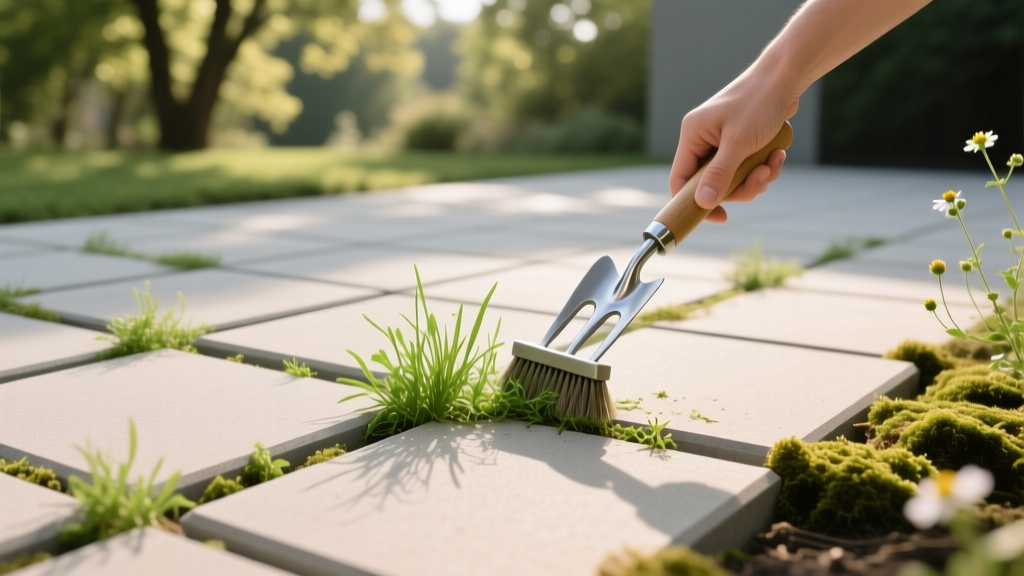
Chemical-Free Weed Control for Pavers and Hardscaping
James MillerPublished
The Hidden Dangers of Chemical Herbicides on Hardscapes
When designing a beautiful outdoor living space, hardscaping elements like paver patios, stone walkways, and retaining walls provide the structural backbone of your landscape. However, the joints between these materials are prime real estate for opportunistic weeds. For decades, the default solution has been the application of synthetic, broad-spectrum chemical herbicides like glyphosate. While effective in the short term, relying on synthetic chemicals for hardscape weed control poses significant environmental and structural risks.
Unlike garden beds where soil microbes can eventually break down certain compounds, hardscapes are largely impervious or semi-permeable surfaces. When you spray chemical herbicides on a driveway or patio, the excess liquid does not filter through deep soil layers. Instead, it washes directly into storm drains, local waterways, and groundwater systems. According to the United States Environmental Protection Agency (EPA), minimizing the use of synthetic pesticides near impervious surfaces is critical for protecting local watersheds from toxic runoff. Furthermore, repeated use of harsh chemical salts and synthetic acids can degrade the mortar, polymeric sand, and the sealants used on natural stone, leading to costly hardscape repairs.
Fortunately, the shift toward sustainable landscaping has yielded highly effective, chemical-free approaches to managing weeds in hardscape joints. By combining organic contact herbicides, thermal treatments, and proactive physical barriers, you can maintain pristine paver joints without introducing toxins into your local ecosystem.
Effective Chemical-Free Weed Killers for Paver Joints
When weeds have already breached your paver joints, you need an immediate, organic method to eliminate the existing foliage and disrupt the root system. The following chemical-free treatments are highly effective for hardscaping environments.
Horticultural Vinegar (20% to 30% Acetic Acid)
Standard household vinegar contains about 5% acetic acid, which is generally too weak to kill established weeds. Horticultural vinegar, however, contains 20% to 30% acetic acid and acts as a powerful, non-selective contact desiccant. When sprayed directly onto weed foliage, the high acidity rapidly breaks down the cell membranes of the plant, causing it to dry out and die within hours.
Because hardscape joints often feature shallow soil profiles, the acetic acid can penetrate the top inch of the jointing sand to burn the crown of young weeds. It is important to note that vinegar is a contact herbicide, meaning it only kills the plant parts it touches. Deep-rooted perennial weeds like dandelions may require two or three applications to fully exhaust their root reserves. Always apply horticultural vinegar on a hot, sunny, and windless day to maximize desiccation and prevent drift onto your prized ornamental plants. Due to its high acidity, you must wear protective eyewear, long sleeves, and chemical-resistant gloves when handling 20% or higher concentrations.
Thermal Flame Weeding
Flame weeding is an incredibly effective, zero-chemical method for destroying weeds in tight hardscape crevices, gravel paths, and stone walls. Using a specialized propane torch wand, you apply a brief, intense burst of heat directly to the weed. The goal is not to incinerate the plant into ash, but rather to heat the water inside the plant cells to the boiling point. At around 160°F to 212°F, the cell walls rupture, and the plant loses its ability to retain moisture, wilting and dying within a few days.
Flame weeding is particularly advantageous for paver joints because the heat also destroys surface weed seeds lying dormant in the sand. It is entirely chemical-free and leaves no toxic residue. However, extreme caution is required during dry seasons or in areas with dry mulch and dead foliage nearby. Always keep a garden hose or fire extinguisher on hand, and avoid using flame weeders near dried-out jointing sand or flammable hardscape sealers.
Chelated Iron (FeHEDTA) Solutions
If you are dealing with broadleaf weeds in wider hardscape borders or permeable paver systems that support low-growing ground covers, chelated iron (Iron HEDTA) is a phenomenal organic option. Iron HEDTA exploits a biological difference between broadleaf weeds and grasses. When absorbed by broadleaf weeds, the iron triggers rapid, uncontrolled oxidative stress, leading to cellular necrosis and plant death within hours. It is recognized as a minimum-risk active ingredient and breaks down naturally in the environment without harming soil biology or contaminating storm drains.
Organic Weed Control Comparison Chart
Choosing the right organic method depends on the type of weed, the hardscape material, and your safety preferences. Refer to the table below to select the best chemical-free approach for your landscape.
| Method | Target Weed Type | Application Cost | Frequency | Safety & Material Precautions |
|---|---|---|---|---|
| Horticultural Vinegar (20%) | Annuals, young perennials | Low ($15-$25/gal) | Every 2-3 weeks | Wear PPE; may etch natural limestone or marble. |
| Flame Weeding | Deep-rooted perennials, seedlings | Medium (Propane refills) | As needed | Fire hazard; do not use near dry debris or flammable sealers. |
| Iron HEDTA (Liquid) | Broadleaf weeds | Medium ($20-$30/bottle) | Every 3-4 weeks | Safe for pets once dry; can stain porous concrete if over-applied. |
| Boiling Water | Small, isolated annual weeds | Free | Continuous | Burn hazard; completely safe for all stone and masonry materials. |
Long-Term Organic Prevention Strategies
According to the University of California Agriculture and Natural Resources (UC ANR), an integrated pest management (IPM) approach emphasizes that preventing weed establishment is far more effective and less labor-intensive than continually eradicating them. In hardscaping, prevention means eliminating the physical spaces and conditions that allow weed seeds to germinate.
Polymeric Sand Installation and Maintenance
The single most effective physical barrier against hardscape weeds is polymeric sand. Unlike traditional masonry sand, polymeric sand is a mixture of fine silica sand and specialized binding polymers. When swept into paver joints and activated with a light misting of water, the polymers cross-link and harden, creating a flexible, concrete-like seal that locks the pavers in place and completely blocks weed seeds, ants, and water erosion.
To install or replace polymeric sand organically and effectively:
- Remove existing weeds and old, degraded sand using a stiff bristle broom, a shop-vac, and a flame weeder to kill remaining roots.
- Pour the polymeric sand over the dry pavers and sweep it diagonally across the joints to ensure deep, void-free filling.
- Tamp the pavers with a plate compactor to settle the sand deeply into the joints.
- Mist the surface with a fine spray nozzle to activate the polymers. Avoid heavy streams of water, which will wash the polymers out of the joint and leave white haze on the pavers.
- Allow 24 to 48 hours for the sand to fully cure before allowing foot traffic or rainfall.
Corn Gluten Meal Pre-Emergent
For gravel driveways, loose stone pathways, and the perimeter borders of your hardscape, corn gluten meal is an outstanding organic pre-emergent herbicide. A byproduct of the corn milling process, corn gluten meal inhibits the formation of roots in germinating seeds. It will not kill existing weeds, but it stops new seeds from taking hold. Apply corn gluten meal at a rate of 20 pounds per 1,000 square feet in early spring, just before soil temperatures consistently reach 55°F and weed seeds begin to germinate. As a bonus, corn gluten meal contains roughly 10% nitrogen, providing a slow-release, organic fertilizer for adjacent turf and ornamental beds.
Step-by-Step Seasonal Maintenance Routine
Chemical-free landscaping requires a shift from reactive chemical spraying to proactive physical maintenance. Implement this seasonal routine to keep your hardscapes immaculate:
- Early Spring: Inspect all paver joints for winter frost-heave damage. Re-sweep and activate fresh polymeric sand in any compromised joints. Apply corn gluten meal to adjacent gravel and soil borders.
- Summer: Keep a dedicated patio broom or leaf blower handy. Removing wind-blown soil, leaves, and organic debris from paver joints prevents the accumulation of the 'soil cap' that weed seeds need to germinate. Spot-treat any breakthrough weeds immediately with horticultural vinegar or a flame weeder before they can set seed.
- Autumn: Clear falling leaves and pine needles from hardscapes promptly. As organic matter decays in the joints, it creates a rich, acidic compost that invites aggressive weed growth the following spring.
'The cornerstone of sustainable hardscape maintenance is the denial of habitat. By sealing joints with polymeric binders and removing wind-blown organic debris, you eliminate the micro-environments weeds require to thrive, rendering chemical herbicides entirely unnecessary.' — Sustainable Landscape Management Principles
Conclusion
Transitioning to chemical-free weed control for your pavers and hardscaping is not just an environmentally responsible choice; it is a superior long-term strategy for preserving the integrity of your outdoor living spaces. By leveraging the desiccating power of horticultural vinegar, the cellular disruption of thermal flame weeding, and the physical barrier of polymeric sand, you can enjoy a flawless, weed-free landscape. These organic methods protect local waterways from toxic runoff, safeguard your pets and family from synthetic chemical exposure, and ensure that your hardscape investment remains beautiful and structurally sound for decades to come.

