
Landscaping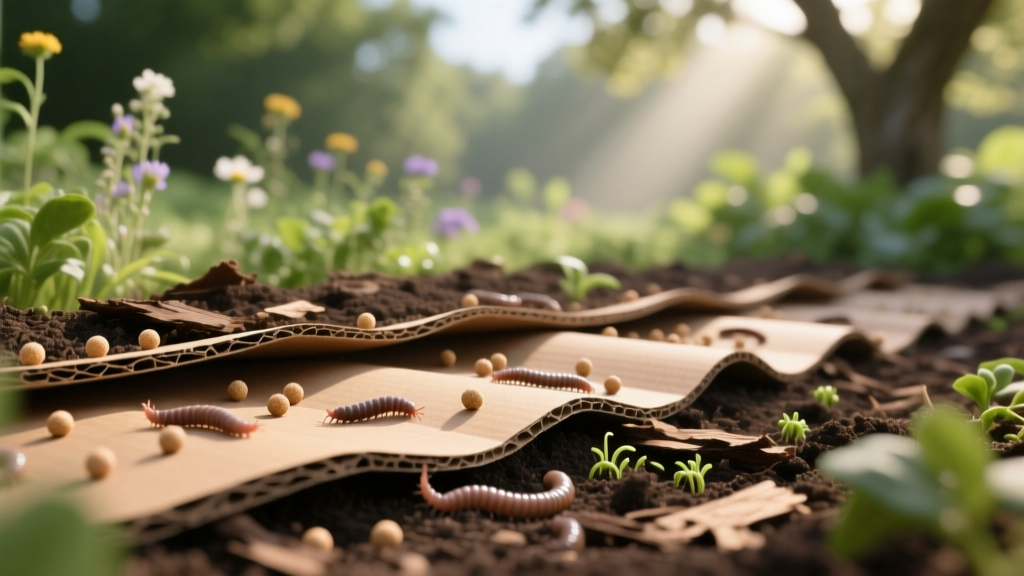
Chemical-Free Weed Control: Sheet Mulching & Organic Pre-Emergents
James MillerPublished
The Shift to Chemical-Free Landscaping
For decades, the landscaping industry relied heavily on synthetic herbicides like glyphosate and 2,4-D to maintain pristine garden beds. However, a growing body of environmental science has highlighted the detrimental effects these chemicals have on soil biology, local watersheds, and beneficial pollinators. Transitioning to organic landscaping is no longer just an environmental preference; it is a highly effective, long-term strategy for building resilient outdoor spaces. According to the Environmental Protection Agency (EPA), Integrated Pest Management (IPM) prioritizes biological and physical controls over chemical interventions, significantly reducing toxic exposure while maintaining landscape health.
In this comprehensive guide, we will explore two of the most powerful chemical-free weed control methods available to homeowners and landscape designers: sheet mulching for physical suppression and corn gluten meal for organic pre-emergent control. By combining these techniques, you can eliminate weeds, build rich topsoil, and create a thriving, low-maintenance landscape.
The Foundation: Sheet Mulching for Long-Term Weed Suppression
Sheet mulching, often referred to as "lasagna gardening," is a permaculture technique that mimics the natural leaf-drop process of a forest floor. Unlike synthetic woven landscape fabrics—which eventually degrade, allow weeds to penetrate, and permanently block the vital exchange of water, oxygen, and soil microbes—sheet mulching uses biodegradable materials to smother weeds while simultaneously feeding the soil food web.
Step-by-Step Sheet Mulching Guide
To properly sheet mulch an existing weedy area or establish a new garden bed, follow these precise steps:
- Step 1: Mow and Prepare. Use a string trimmer or mower to cut existing weeds and grass as close to the soil surface as possible. Leave the clippings in place; they will provide an initial nitrogen source as they decompose.
- Step 2: Apply the Weed Barrier. Lay down uncoated, corrugated cardboard directly over the mowed area. Remove any plastic tape or glossy labels. The critical detail here is overlap: ensure every piece of cardboard overlaps the next by at least 6 to 8 inches. Weeds are opportunistic and will exploit even the smallest gaps. Thoroughly soak the cardboard with a garden hose to keep it in place and kickstart the decomposition process.
- Step 3: Add the Nitrogen Layer. Spread a 2-inch layer of nitrogen-rich organic matter over the wet cardboard. Compost, aged manure, or fresh grass clippings work exceptionally well. This layer accelerates the breakdown of the cardboard and underlying weeds.
- Step 4: Top with Mulch. Finish the bed with a 3 to 4-inch layer of arborist wood chips. Avoid dyed mulches or rubber mulch, as they offer no nutritional value to the soil. Arborist chips are often available for free or at a very low cost ($15 to $30 per cubic yard) from local municipal recycling centers or tree service companies.
Over the next 6 to 12 months, the cardboard will completely decompose, leaving behind a dark, friable, and weed-free topsoil layer ready for planting. To plant in a newly sheet-mulched bed, simply part the wood chips, cut an "X" into the decomposing cardboard, and dig your planting hole, backfilling with compost.
Organic Pre-Emergent Herbicides: Timing and Application
While sheet mulching is ideal for establishing new beds, maintaining established landscape beds requires a different approach. This is where organic pre-emergents, specifically Corn Gluten Meal (CGM), become invaluable. Originally discovered by researchers at Iowa State University, CGM is a byproduct of the corn milling process that exhibits powerful allelopathic properties.
How Corn Gluten Meal Works
CGM does not kill existing weeds. Instead, it inhibits the formation of the initial root (radicle) in germinating seeds. When a weed seed sprouts, the CGM dries out the nascent root, killing the seedling before it can establish itself. Furthermore, CGM contains approximately 10% nitrogen by weight, acting as a slow-release organic fertilizer that feeds your desirable landscape plants.
Application Rates and Critical Timing
Success with CGM relies entirely on timing. According to organic landscaping guidelines highlighted by the University of Minnesota Extension, pre-emergents must be applied before weed seeds begin to germinate. For spring weeds like crabgrass and pigweed, this means applying when soil temperatures consistently reach 50°F to 55°F at a 2-inch depth—often coinciding with the blooming of forsythia bushes.
- Application Rate: Apply 20 pounds of CGM per 1,000 square feet of landscape bed.
- Method: Use a broadcast spreader for even distribution, then water the area lightly (about 1/4 inch) to activate the proteins, followed by a brief dry period to desiccate germinating weed roots.
- Longevity: A single application provides 4 to 6 weeks of weed suppression. A second application in late summer (around mid-August) is recommended to prevent fall-germinating weeds like henbit and chickweed.
Important Caveat: Because CGM prevents all seed germination, never use it in beds where you are trying to grow plants from seed or in newly seeded lawns. It is strictly for use around established transplants, shrubs, and perennials.
Comparison Chart: Synthetic vs. Organic Weed Control Strategies
Understanding the long-term return on investment (ROI) of organic methods requires comparing them directly to conventional chemical approaches. The table below outlines the differences in cost, soil impact, and longevity.
| Method | Upfront Cost (per 1,000 sq ft) | Soil Health Impact | Longevity | Best Use Case |
|---|---|---|---|---|
| Synthetic Herbicides | $15 - $30 | Negative (disrupts soil microbes) | 4 - 8 weeks | Quick fixes (not recommended for organic systems) |
| Sheet Mulching | $0 - $25 (mostly free materials) | Highly Positive (builds humus) | 1 - 3 years | New beds, overgrown areas, pathways |
| Corn Gluten Meal | $40 - $60 | Positive (adds organic nitrogen) | 4 - 6 weeks | Established beds, early spring/fall |
While the initial material cost of CGM is higher than a bottle of synthetic herbicide, its dual action as a fertilizer and weed preventer, combined with the soil-building properties of sheet mulching, drastically reduces the need for supplemental watering and fertilization over time.
Enhancing Soil Biology to Outcompete Weeds
Weeds are often nature's band-aid for poor soil conditions. Compacted, nutrient-deficient, or poorly drained soils are prime real estate for opportunistic weeds like plantain and thistle, while desirable ornamental plants struggle. The Rodale Institute emphasizes that fostering a robust soil microbiome is one of the most effective long-term weed management strategies available.
By inoculating your landscape beds with mycorrhizal fungi and applying aerated compost tea, you create a symbiotic environment where desirable plants thrive. Mycorrhizal fungi attach to plant roots, extending their reach and helping them access deep water and phosphorus. When your ornamental shrubs and perennials are vigorously growing and forming a dense canopy, they naturally shade out weed seeds, preventing the light exposure many weeds require to germinate.
Maintenance and Hand-Pulling Best Practices
Even the most meticulously designed organic landscape will experience occasional weed pressure. Seeds blow in on the wind, are dropped by birds, or are introduced via contaminated compost. When weeds do appear, chemical-free maintenance relies on proper tools and timing.
- The Right Tools: Invest in a high-quality Japanese Hori Hori knife for deep-taproot weeds like dandelions, and a stirrup hoe (or scuffle hoe) for slicing through annual weeds just below the soil surface without disturbing the underlying soil structure.
- Timing is Everything: Always pull weeds when the soil is moist, such as the day after a rainstorm. Dry soil causes taproots to snap, leaving the crown intact to regenerate. Furthermore, never allow a weed to reach the flowering or seeding stage. A single mature pigweed can produce over 100,000 seeds, turning a minor nuisance into a multi-year infestation.
Conclusion
Adopting chemical-free weed control in your landscape beds is a commitment to the long-term health of your property and the surrounding environment. By utilizing sheet mulching to build soil structure and smother existing weeds, and applying organic pre-emergents like corn gluten meal to prevent future outbreaks, you create a closed-loop system that rewards you with less work over time. Organic landscaping proves that you do not need harsh synthetic chemicals to achieve a beautiful, thriving, and weed-resistant outdoor living space.

