Home & Garden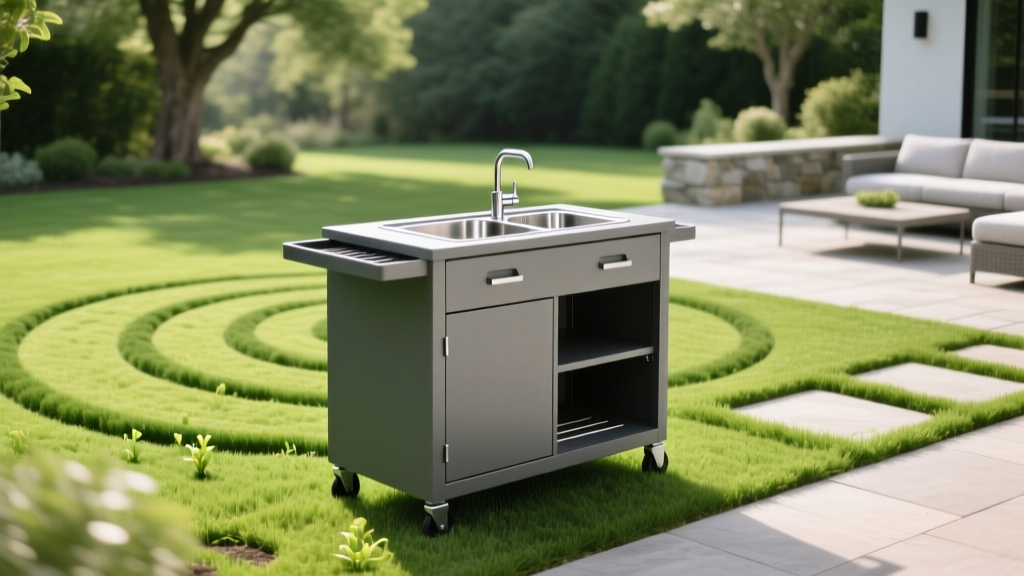
2026 Outdoor Bar Cart Setup: Lawn Aeration & Seeding
Mike RodriguezPublished
The 2026 Outdoor Entertaining Trend: Mobile Bar Carts with Sinks
In 2026, the boundary between indoor convenience and outdoor living has completely dissolved. Homeowners are no longer satisfied with a simple folding table and a cooler; the modern garden-to-table experience demands fully functional, mobile outdoor kitchen islands. The ultimate centerpiece for this trend is the weatherproof outdoor bar cart equipped with integrated storage and a built-in sink. These sophisticated units allow hosts to prep garnishes, wash glassware, and mix craft cocktails right in the middle of the backyard.
However, placing a heavy, water-bearing cart directly onto your natural turf presents a significant landscaping challenge. Between the weight of the cart, the concentration of foot traffic, and the inevitable water runoff from the sink, your lawn is at high risk for severe soil compaction and turf die-off. To maintain a pristine, lush landscape while enjoying high-end outdoor entertaining, you must implement a strategic lawn care plan centered on core aeration and overseeding. This guide will walk you through protecting and repairing your grass around your outdoor bar cart setup.
The Hidden Toll: Soil Compaction and Turf Damage
When you roll a fully loaded outdoor bar cart onto the lawn, you are introducing hundreds of pounds of concentrated weight. Add the built-in sink, gallons of water, ice, glassware, and the heavy foot traffic of guests gathering around the cart, and the pressure on your soil becomes immense. According to turfgrass experts at Penn State Extension Turfgrass Management, heavy foot traffic and concentrated weights crush soil pores, eliminating the oxygen and water pathways that grassroots need to survive.
Furthermore, the sink component introduces a secondary threat: greywater runoff. Rinsing citrus peels, sticky syrups, and carbonated beverages creates a localized spill zone. This sugar-rich moisture attracts pests and promotes fungal diseases like dollar spot and brown patch, while the constant saturation drowns the grassroots. Without proactive soil management, the area beneath and immediately surrounding your bar cart will turn into a barren, compacted mud pit by the end of the summer.
Pre-Event Strategy: Strategic Core Aeration
To prepare your lawn for the stress of an outdoor bar cart, you must fortify the soil structure before the entertaining season begins. Core aeration is the process of removing small plugs of soil and thatch from the lawn, which alleviates compaction and creates channels for air, water, and nutrients to reach the root zone.
Timing and Execution
For cool-season grasses (like Kentucky Bluegrass and Tall Fescue), schedule your core aeration in early spring or early fall, at least three weeks before your first major outdoor event. For warm-season grasses (like Bermuda or Zoysia), aerate in late spring just as the grass enters its peak growth phase.
- Equipment: Rent a walk-behind core aerator rather than using spike aerators or aerator shoes. Spike aerators can actually worsen compaction by pushing soil outward, whereas core aerators physically remove the compacted earth.
- Depth and Spacing: Aim for soil cores that are 2.5 to 3 inches deep, spaced about 3 to 4 inches apart across the designated entertainment zone.
- Topdressing: Immediately after aerating, apply a thin layer (1/4 inch) of organic compost over the area. This introduces beneficial microbes that help break down any organic spillages from the bar cart sink later in the season.
The University of California Statewide Integrated Pest Management Program emphasizes that regular aeration is one of the most effective cultural practices for maintaining lawn resilience against physical stress and localized compaction.
Choosing the Right 2026 Bar Cart for Grass Surfaces
Not all outdoor bar carts are created equal when it comes to lawn preservation. If you plan to station your cart on the grass rather than a concrete patio, you must select a model designed to minimize turf impact.
- Pneumatic Tires: Avoid hard plastic or metal caster wheels, which act like pizza cutters on soft soil. Look for carts equipped with wide, pneumatic (air-filled) tires that distribute the weight over a larger surface area.
- Weight Distribution: Choose a cart with a wide wheelbase. A lower center of gravity prevents tipping on uneven ground and spreads the load more evenly across the turf.
- Elevated Sink Drainage: Ensure the sink’s greywater hose is long enough to be routed away from the cart's base. Disperse the runoff into a nearby mulch bed or gravel dry well rather than letting it pool directly under the cart where the grass is already stressed by the weight.
- Weatherproof Storage: Opt for marine-grade polymer or powder-coated aluminum cabinetry. These materials resist rust from the sink's ambient moisture and protect your glassware and bar tools from sudden summer downpours.
Post-Event Recovery: Overseeding High-Traffic Zones
No matter how careful you are, the grass beneath the bar cart will suffer some degree of wear and tear. Once the entertaining season winds down, or during a mid-summer lull, you must repair the damage through overseeding.
Seed Selection for High-Traffic Zones
Standard lawn seed will not survive the heavy foot traffic and occasional spills associated with an outdoor bar setup. You need a high-traffic, wear-tolerant seed blend. In 2026, turf-type tall fescue blends remain the gold standard for cool-season lawns due to their deep root systems and rugged durability. For warm-season lawns, overseeding with perennial ryegrass in the fall provides a durable, temporary green cover that handles heavy foot traffic beautifully.
The Overseeding Process
- Mow Low: Drop your mower blade to 1.5 inches to ensure the new seed reaches the soil surface.
- Rake and Clean: Vigorously rake the compacted area beneath where the cart was stationed to remove dead grass, thatch, and any debris.
- Sow the Seed: Apply the seed at a rate of 5 to 8 pounds per 1,000 square feet for tall fescue. Use a broadcast spreader for even coverage.
- Starter Fertilizer: Apply a phosphorus-rich starter fertilizer to encourage rapid root development.
- Keep Moist: Water lightly 2 to 3 times a day until the seeds germinate, which typically takes 10 to 14 days.
2026 Turf Recovery and Bar Cart Setup Timeline
To keep your lawn pristine while enjoying your outdoor bar cart, follow this seasonal maintenance schedule:
| Season | Lawn Care Action | Bar Cart & Sink Management |
|---|---|---|
| Early Spring | Core aeration and compost topdressing | Inspect cart tires; clean sink plumbing and greywater hoses |
| Late Spring | Apply pre-emergent; begin regular mowing | Position cart on turf; rotate location weekly to prevent ruts |
| Mid-Summer | Monitor for fungal issues near sink runoff zones | Flush sink drain with vinegar/water to prevent sugar buildup |
| Early Fall | Second core aeration and heavy overseeding | Move cart to hardscape during seeding establishment period |
| Late Fall | Winterize irrigation; apply winterizer fertilizer | Drain sink lines completely; store cart in weatherproof cover |
Smart Home Integration: Irrigating Without the Mess
Watering newly seeded grass around an outdoor entertainment zone requires precision. You want to keep the seed moist without flooding the area where your guests are standing or causing the bar cart to sink into the mud. This is where 2026 smart home irrigation technology becomes invaluable.
Modern smart controllers, integrated with local weather APIs and soil moisture sensors, allow you to create highly specific "micro-zones" in your yard. You can program your sprinkler system to deliver short, frequent bursts of water (e.g., 3 minutes, four times a day) exclusively to the seeded recovery zones, while completely bypassing the hardscape or the specific grid where your bar cart is currently stationed.
According to the EPA WaterSense Irrigation Technologies guidelines, utilizing smart irrigation controllers and soil moisture sensor overrides can reduce outdoor water use by up to 20% while ensuring that new turf receives the exact moisture profile required for germination. By linking your smart irrigation app to your home automation system, you can even set "Party Modes" that instantly pause the sprinklers in the entertainment zone while maintaining the watering schedule for the rest of the property.
Conclusion
Integrating a weatherproof outdoor bar cart with a built-in sink into your garden-to-table lifestyle is a fantastic way to elevate your 2026 outdoor living space. However, the luxury of a mobile outdoor kitchen must be balanced with proactive turf management. By committing to pre-season core aeration, selecting a turf-friendly cart with wide tires, managing greywater runoff, and diligently overseeding high-traffic zones, you can enjoy craft cocktails on the lawn without sacrificing the health and beauty of your landscape. Treat your soil with the same care you treat your guests, and your lawn will remain the perfect foundation for every backyard gathering.
