
Landscaping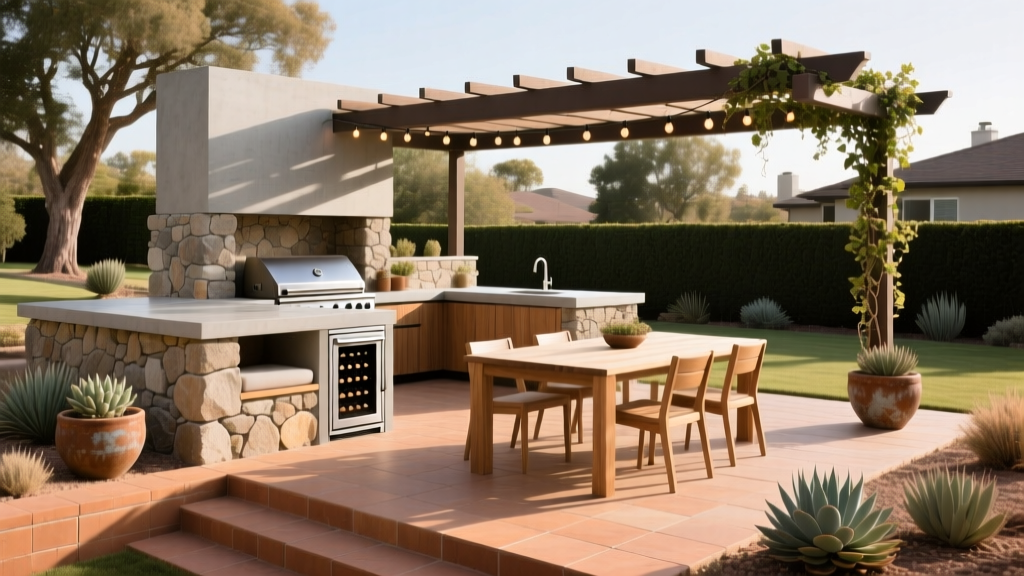
Outdoor Kitchen Patios: Boost Curb Appeal and Entertain
Robert HayesPublished
The Intersection of Curb Appeal and Outdoor Entertaining
When homeowners think of curb appeal, they often focus exclusively on the front yard: the manicured lawn, the vibrant garden beds, and the freshly painted front door. However, true landscape design encompasses the entire property. As outdoor living spaces become a primary extension of the home, the visibility and aesthetic quality of your backyard entertaining areas play a massive role in your overall property value and curb appeal. An elegantly designed outdoor kitchen and patio space bridges the gap between high-end entertainment and striking exterior design.
When guests arrive, the transition from the front yard, through the side pathways, and into the backyard should feel cohesive and inviting. By integrating premium hardscaping, thoughtful softscaping, and functional outdoor kitchens, you create a sanctuary that not only serves as the ultimate hub for social gatherings but also significantly elevates the architectural prestige of your home. In this comprehensive guide, we will explore how to design an outdoor kitchen and patio that maximizes both entertainment value and curb appeal.
Designing the Layout: The Outdoor Work Triangle
In indoor kitchen design, the 'work triangle' (the optimal distance between the sink, stove, and refrigerator) is a fundamental principle for efficiency. The exact same logic applies to outdoor kitchens, though the zones are slightly adapted for alfresco entertaining. A well-planned layout ensures that the host can cook, prep, and socialize without turning their back on guests or navigating a cluttered patio.
The Four Essential Zones
- The Cooking Zone: This is the heart of the outdoor kitchen. It includes your built-in gas grill, ceramic Kamado smoker, or pizza oven. Ensure you have at least 36 inches of clearance on all sides for safety and ventilation.
- The Prep Zone: Located immediately adjacent to the cooking zone, this area requires durable, weather-resistant countertops (like granite or stainless steel) and a stainless steel prep sink. A minimum of 24 inches of counter space on either side of the grill is highly recommended.
- The Serving and Bar Zone: This is where curb appeal meets hospitality. A raised bar counter with seating allows guests to gather, enjoy drinks, and converse with the chef. Incorporate a built-in beverage cooler or kegerator here to keep traffic out of the primary cooking zone.
- The Dining and Lounge Zone: Transitioning away from the hardscape kitchen island, this area features your dining table or deep-seating lounge furniture. Positioning this zone near a fire pit or a pergola creates a defined 'outdoor room' that looks incredibly inviting from the rest of the yard.
Choosing Hardscape Materials for Longevity and Style
The materials you select for your patio flooring and outdoor kitchen island dictate both the maintenance requirements and the aesthetic harmony with your home's exterior. To boost curb appeal, the masonry or stone used in your outdoor kitchen should echo the materials found on your home's facade, such as brick, natural stone veneer, or stucco.
Below is a comparison chart of popular outdoor countertop and hardscape materials to help you balance durability, maintenance, and visual impact.
| Material | Durability | Maintenance | Aesthetic / Curb Appeal | Estimated Cost (per sq ft) |
|---|---|---|---|---|
| Granite | High | Low (requires annual sealing) | Classic, high-end natural stone that elevates luxury | $40 - $100 |
| Porcelain Tile | Very High | Very Low (frost and scratch resistant) | Versatile; can mimic natural stone or wood grain | $15 - $35 |
| Poured Concrete | High | Moderate (prone to hairline cracking) | Modern, industrial, highly customizable with stains | $10 - $25 |
| Stainless Steel | Moderate (scratches over time) | High (shows smudges and water spots) | Professional chef aesthetic, sleek and reflective | $80 - $150 |
For the patio floor itself, consider large-format natural flagstone or tumbled travertine pavers. These materials offer excellent slip resistance when wet and provide a timeless, elegant foundation that dramatically improves the visual weight and luxury of your backyard landscape.
Softscaping: Integrating the Patio into the Landscape
A massive concrete slab dropped in the center of a flat lawn looks jarring and out of place. To maximize curb appeal, your hardscape must be framed and softened by thoughtful landscaping. According to landscape design principles outlined by the University of Minnesota Extension, integrating hardscapes with softscapes creates a balanced, natural environment that draws the eye and invites exploration.
Layering Plants for Privacy and Beauty
Use layered planting beds to border your patio. Start with a backdrop of tall, dense privacy hedges, such as Arborvitae or Skip Laurel, to create a secluded 'outdoor room.' In front of the hedges, plant mid-sized flowering shrubs like Hydrangeas or Lilacs to add seasonal color and fragrance. Finally, edge the patio with low-growing ornamental grasses, such as Karl Foerster Feather Reed Grass, which sway in the breeze and soften the hard edges of the stone work.
Consider adding a pergola draped in climbing vines, such as Wisteria or Clematis, over the dining zone. This not only provides essential shade during midday gatherings but also adds vertical interest and a romantic, established feel to the landscape architecture.
Illuminating the Space: Landscape Lighting for Ambiance and Safety
Outdoor entertaining frequently extends well into the evening, making landscape lighting a non-negotiable element of patio design. Proper illumination ensures safety on walkways and stairs while highlighting the architectural features of your outdoor kitchen to boost nighttime curb appeal.
- Task Lighting: Install weatherproof, low-profile LED strip lights under the upper lip of your outdoor kitchen countertops. This provides essential illumination for food prep and grilling without causing glare.
- Ambiance Lighting: Use warm-toned LED bulbs (2700K color temperature) in overhead bistro lights or pergola fixtures to mimic the cozy glow of candlelight.
- Accent and Uplighting: Place brass or copper well-lights at the base of surrounding specimen trees or architectural walls. Uplighting creates dramatic shadows and draws the eye upward, making the entire property look expansive and luxurious from the street.
Drainage, Permeability, and Sustainable Design
An entertaining space that floods after a heavy rainstorm is a functional failure and a landscape eyesore. Proper grading is essential; your patio should slope away from your home's foundation at a minimum grade of 1/8 inch per foot. However, modern landscaping also demands sustainable drainage solutions that protect local waterways and prevent soil erosion.
The Environmental Protection Agency (EPA) strongly advocates for green infrastructure, including the use of permeable pavements in residential hardscaping. By utilizing permeable pavers for your patio floor and base layers of crushed gravel, rainwater can filter naturally back into the soil rather than overwhelming municipal storm drains. This eco-friendly approach not only prevents pooling on your entertainment deck but also signals to environmentally conscious buyers that the property features modern, sustainable landscaping practices.
Budgeting and Return on Investment (ROI)
Building an outdoor kitchen and premium patio is a significant financial investment, typically ranging from $15,000 for a basic setup to over $75,000 for a fully equipped, high-end masonry installation. However, the return on investment (ROI) is substantial, both in terms of lifestyle enjoyment and property valuation.
According to the National Association of Realtors (NAR) Remodeling Impact Report, outdoor living spaces and landscape upgrades consistently rank among the top projects for recovering costs at resale. A well-designed outdoor kitchen can yield an ROI of 55% to 75% upon sale, while the immediate 'joy score'—a metric NAR uses to measure homeowner satisfaction—often reaches a perfect 10 out of 10. Buyers are increasingly looking for turnkey outdoor entertaining spaces, making your patio a powerful differentiator in a competitive real estate market.
Conclusion
Designing an outdoor kitchen and patio is about much more than just buying a grill and pouring concrete. It is a holistic landscaping endeavor that requires careful consideration of spatial flow, material durability, softscape integration, and sustainable drainage. By treating your outdoor entertaining space as a vital component of your home's overall curb appeal, you create a stunning, functional environment that will host countless memories while securing the long-term value of your property. Plan meticulously, choose premium materials, and watch your backyard transform into the ultimate neighborhood destination.

