Home & Garden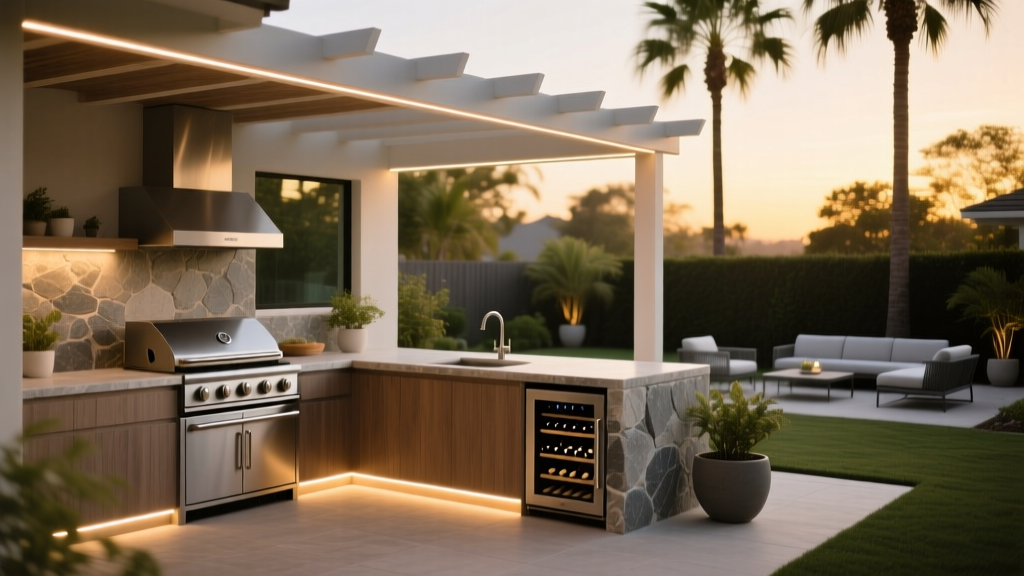
Outdoor Kitchens and Smart Lighting for Entertaining
David ParkPublished
The modern home extends far beyond its interior walls. Today, the most captivating properties seamlessly bridge indoor comfort with outdoor vitality, transforming backyards into functional extensions of the living space. When it comes to outdoor entertaining and curb appeal, two elements stand out as the ultimate game-changers: a well-designed outdoor kitchen and an integrated smart lighting system. Together, they create an inviting atmosphere that encourages garden-to-table dining, extends evening gatherings, and significantly boosts your property value.
Whether you are hosting a summer barbecue, an elegant twilight dinner party, or simply enjoying a quiet evening with family, upgrading your patio with culinary capabilities and intelligent illumination will redefine your landscape. This comprehensive guide will walk you through the practical steps of designing an outdoor kitchen, integrating smart home technology, and selecting sustainable decor to maximize both functionality and curb appeal.
Planning Your Garden-to-Table Outdoor Kitchen
An outdoor kitchen is no longer just a standalone grill on a concrete slab; it is a fully equipped culinary hub. To create a space that truly supports a garden-to-table lifestyle, you must think about workflow, materials, and integration with your surrounding landscape.
Zoning and Dimensions
Professional landscape architects divide outdoor kitchens into four primary zones: hot, cold, wet, and dry. The hot zone houses your grill, pizza oven, or side burners. The cold zone includes refrigeration and ice makers. The wet zone encompasses the sink and prep areas, while the dry zone provides counter space and storage. For optimal ergonomics, standard outdoor counter height should be 36 inches, with a depth of 24 to 30 inches. If you plan to include a bar seating area, ensure an 18-inch overhang to provide adequate legroom for your guests.
Integrating the Garden
To truly embrace the garden-to-table ethos, incorporate built-in planter boxes directly into your kitchen island. Growing culinary herbs like rosemary, basil, thyme, and mint steps away from your prep zone adds unparalleled freshness to your meals and introduces vibrant, living greenery to your hardscaping. Use a high-quality, well-draining potting mix and ensure the planters have weep holes to prevent water damage to your stone or stucco surrounds.
Durable Materials
Outdoor kitchens face extreme temperature fluctuations, UV exposure, and moisture. Marine-grade stainless steel (such as 304-grade) is the gold standard for cabinetry and appliances due to its rust resistance. For countertops, avoid porous materials like marble; instead, opt for polished granite, quartzite, or sealed concrete, which can withstand the elements and heavy food preparation.
Smart Lighting for Ambiance and Security
Curb appeal does not disappear when the sun goes down. In fact, strategic lighting can dramatically enhance your home's architectural features and landscaping after dusk. Smart lighting systems allow you to adjust brightness, color temperature, and scheduling right from your smartphone, ensuring your entertaining space is always perfectly lit.
Understanding Lumens and Color Temperature
When selecting outdoor LED fixtures, pay close attention to lumens (brightness) and Kelvin (color temperature). For pathway and step lighting, 100 to 200 lumens is sufficient to guide guests safely without causing glare. For overhead patio lighting or task lighting over the grill, aim for 400 to 800 lumens. According to the U.S. Department of Energy, LED lighting uses at least 75% less energy than incandescent lighting and lasts up to 25 times longer, making it the undisputed choice for energy-efficient landscaping.
Color temperature is equally vital for setting the mood. A warm white light between 2200K and 2700K mimics the cozy glow of a fire pit or candlelight, perfect for dining and lounging. Cooler temperatures (3000K to 4000K) are better suited for security floodlights or task areas where visibility is paramount.
Smart Home Integration
Upgrading to a smart hub, such as Lutron Caseta or Philips Hue Outdoor, allows you to create automated 'scenes.' Imagine a 'Dinner Party' scene that dims the pathway lights to 40%, turns on warm uplighting in your surrounding trees, and ensures the kitchen task lights are at full brightness. Furthermore, smart systems can utilize geofencing to turn on your exterior lights exactly when you pull into the driveway, or use astronomical clocks to adjust lighting schedules based on local sunset times, ensuring your home always looks occupied and welcoming.
Budgeting, ROI, and Project Tiers
Investing in outdoor living spaces yields impressive returns. The National Association of Realtors consistently highlights that outdoor upgrades, including patios and kitchens, rank among the top projects for recovering costs at resale while providing immense 'joy scores' for homeowners who use them.
Below is a breakdown of what to expect when budgeting for an outdoor kitchen and smart lighting setup, categorized by project scale.
| Tier | Estimated Cost | Kitchen Features | Lighting and Tech |
|---|---|---|---|
| Basic | $3,000 - $8,000 | Prefabricated island, portable premium grill, basic stone or tile counters | Solar path lights, smart outdoor plugs for string lights |
| Mid-Range | $8,000 - $25,000 | Built-in gas grill, stainless steel cabinets, granite countertops, basic sink | Hardwired LED zones, smart hub integration, tree uplighting |
| High-End | $25,000 - $60,000+ | Wood-fired pizza oven, kegerator, custom masonry, integrated herb planters | Architectural lighting, automated scenes, color-changing accents |
When planning your budget, always allocate an additional 15% for unforeseen expenses, such as trenching for gas lines or upgrading your home's electrical panel to support new outdoor circuits.
Sustainable Furniture and Decor
To complete your outdoor entertaining space, you need furniture that withstands the elements while reflecting your commitment to sustainability. Avoid cheap plastics that degrade and end up in landfills after a single season of UV exposure.
- High-Density Polyethylene (HDPE): Brands like POLYWOOD craft furniture from recycled ocean-bound plastics. It is heavy enough to withstand strong winds, impervious to moisture, and requires zero painting or sealing.
- FSC-Certified Teak: If you prefer natural wood, teak is naturally rich in oils that repel water and insects. Ensure your wood is certified by the Forest Stewardship Council (FSC) to guarantee it was harvested from responsibly managed forests.
- Solution-Dyed Acrylic Fabrics: For cushions and umbrellas, choose solution-dyed acrylics (like Sunbrella). The color is embedded in the fiber rather than printed on top, meaning it will not fade under intense sunlight and resists mold and mildew.
When selecting decor, look for outdoor rugs made from recycled PET bottles. They offer the soft, textured look of indoor jute or wool but can be easily hosed off after a messy garden-to-table feast.
Energy Efficiency and Smart Irrigation Synergy
While your kitchen and lighting take center stage, the surrounding landscape provides the backdrop. Integrating your smart home system with your irrigation controller ensures your entertaining space remains pristine without wasting water. Smart controllers like Rachio or Rain Bird use local weather data to skip watering before a rainstorm, protecting your outdoor dining area from unnecessary runoff and keeping your herb gardens perfectly hydrated.
According to ENERGY STAR, combining certified efficient lighting with smart controls can reduce outdoor energy consumption by up to 80% compared to traditional halogen landscape lighting setups. This holistic approach to energy-efficient landscaping ensures your backyard is as kind to the environment as it is beautiful.
Seasonal Maintenance for Year-Round Appeal
To protect your investment, seasonal maintenance is non-negotiable. In the late fall, winterize your outdoor kitchen by shutting off the water supply to the sink, blowing out the pipes with an air compressor, and draining the ice maker. Cover your stainless steel appliances with breathable, weather-resistant covers to prevent winter moisture from causing surface rust.
For your smart lighting system, perform an annual audit. Trim back any foliage that has overgrown and is blocking your pathway fixtures or tree uplights. Clean the glass lenses of your LED fixtures with a mild soap solution to remove hard water spots and pollen, ensuring maximum light output for your next evening gathering.
Conclusion
Transforming your patio into a hub for outdoor entertaining is one of the most rewarding home improvement projects you can undertake. By thoughtfully designing a garden-to-table outdoor kitchen, illuminating the space with intelligent and energy-efficient smart lighting, and furnishing it with sustainable materials, you create a sanctuary that elevates your daily life and captivates your guests. Not only will you enjoy countless evenings under the stars, but you will also cultivate a profound sense of pride in a home that perfectly harmonizes indoor luxury with the natural beauty of the outdoors.
