Lawn Care
The Ultimate Overseeding Schedule For Cool And Warm Season Lawns
Why Seasonal Timing is the Secret to Overseeding Success
Overseeding is one of the most effective ways to rejuvenate a thinning lawn, introduce disease-resistant grass cultivars, and crowd out invasive weeds. However, the success of your planting schedule hinges entirely on seasonal timing. Scattering grass seed at the wrong time of year leads to poor germination, seedling death from temperature extremes, and fierce competition from seasonal weeds. According to turfgrass experts at Penn State Extension, understanding the distinct growth cycles of cool-season and warm-season grasses is the foundational step in any successful lawn care regimen.
In this comprehensive guide, we will break down the exact seasonal timing, soil temperature requirements, and step-by-step planting schedules for both cool-season and warm-season lawns. Whether you are managing Kentucky Bluegrass in the North or Bermudagrass in the South, adhering to these schedules will ensure maximum germination and a thick, lush turf.
The Science of Soil Temperature vs. Air Temperature
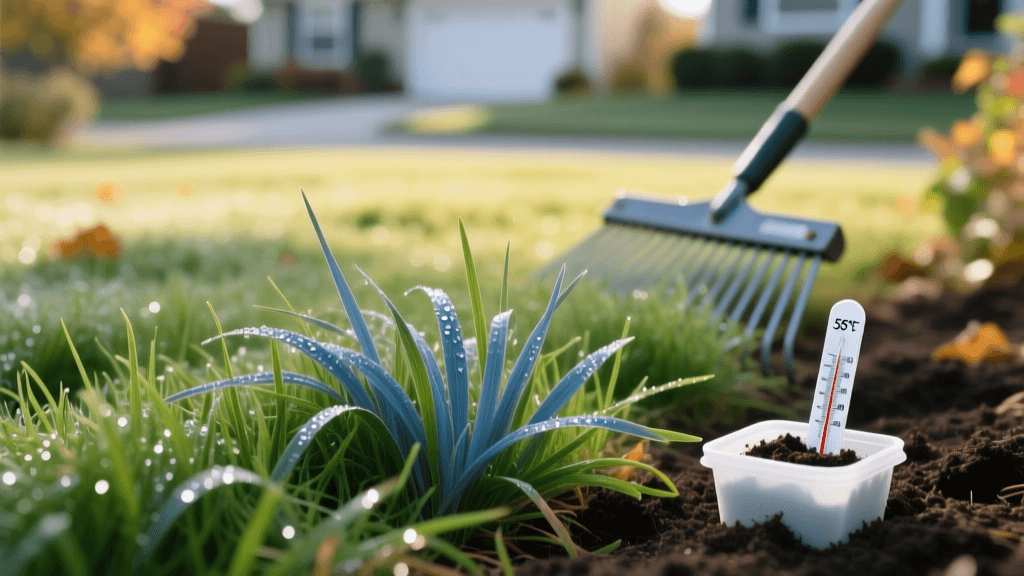
A common mistake among homeowners is relying on the air temperature to dictate their planting schedule. Grass seed germination is actually triggered by soil temperature at a depth of 1 to 2 inches. Air temperatures can fluctuate wildly from day to night, but soil retains heat and provides a stable environment for seed development.
To accurately track this, invest in a standard soil probe thermometer. For cool-season grasses, you are looking for soil temperatures between 50°F and 65°F. For warm-season grasses, the ideal soil temperature range is between 65°F and 75°F. Planting outside of these windows drastically increases the risk of seed dormancy or rot.
The Ideal Overseeding Schedule for Cool-Season Lawns
Cool-season grasses—such as Tall Fescue, Kentucky Bluegrass, Perennial Ryegrass, and Fine Fescue—thrive in regions with cold winters and moderate summers. The absolute best time to overseed these lawns is in the late summer to early fall.
Why Fall is the Optimal Season
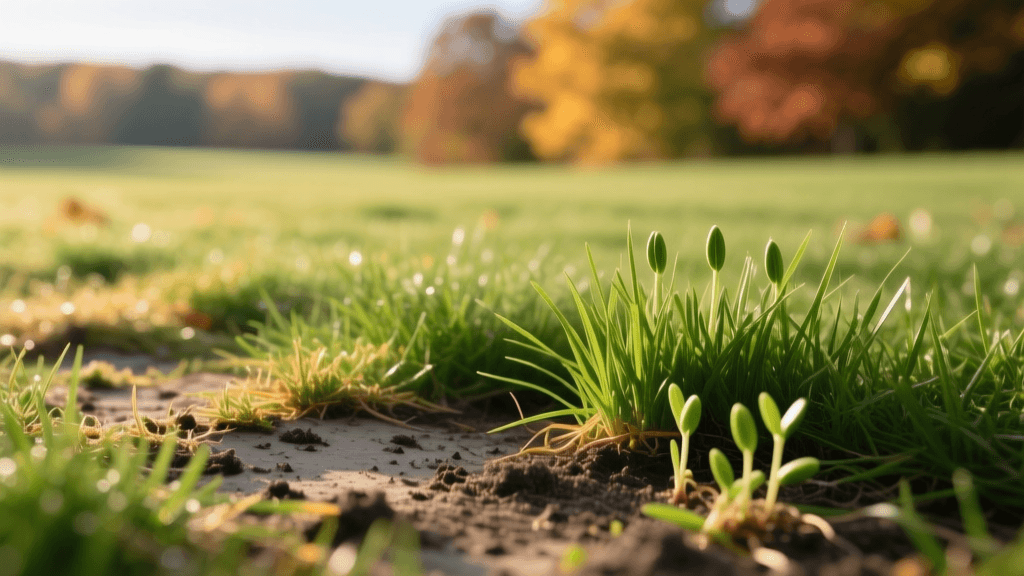
- Warm Soil, Cool Air: In late August through September, the soil is still warm from the summer sun, which accelerates seed germination. Meanwhile, the cooler autumn air reduces heat stress on tender new seedlings.
- Reduced Weed Competition: Most aggressive summer annual weeds (like crabgrass) begin to die off in early fall, leaving less competition for water, nutrients, and sunlight.
- Root Development Time: Fall planting gives the grass two distinct growing seasons (fall and spring) to establish deep root systems before the brutal heat of the following summer.
Regional Timing Windows
According to the University of Minnesota Turfgrass Science program, northern homeowners should aim to seed between August 15 and September 15. Those in the Transition Zone (e.g., Virginia, Kentucky, Missouri) can extend this window from September 1 through mid-October. A good rule of thumb is to plant your seed at least 45 days before your area's average first fall frost date.
The Ideal Overseeding Schedule for Warm-Season Lawns
Warm-season grasses—including Bermudagrass, Zoysiagrass, Centipedegrass, and Bahiagrass—dominate the Southern United States. These grasses go dormant and turn brown when soil temperatures drop below 55°F. Therefore, their overseeding schedule is entirely different from their northern counterparts.
Late Spring to Early Summer Planting
The optimal window for overseeding warm-season lawns is from late May through July. You must wait until the danger of spring frost has completely passed and the soil has consistently warmed to at least 65°F. Planting warm-season seeds too early in the spring will result in seed rot or stunted growth that allows spring weeds to overtake the lawn.
Bermudagrass seed germinates rapidly in the heat of early summer, often sprouting within 7 to 14 days when soil temperatures hover around 70°F. Zoysiagrass is notably slower, taking up to 21 to 28 days to germinate, making early summer planting critical so the grass can establish before autumn dormancy.
Winter Overseeding: Colorizing Warm-Season Lawns
Many southern homeowners and golf courses practice "winter overseeding" to maintain a green lawn during the winter months when their primary warm-season grass is dormant. This is done using a cool-season grass, almost exclusively Perennial Ryegrass.
The Clemson University Home & Garden Information Center recommends executing this specific planting schedule in October or November, when daytime air temperatures consistently drop into the 70s and nighttime temperatures reach the 50s. The ryegrass will provide a vibrant green carpet through the winter and naturally die off as the Bermudagrass or Zoysia wakes up and resumes aggressive growth in late spring.
Comprehensive Seasonal Timing & Planting Chart
Use the data table below as a quick-reference guide for your specific grass type and planting requirements.
| Grass Type | Category | Best Overseeding Season | Ideal Soil Temp | Seed Rate (lbs / 1,000 sq ft) | Days to Germinate |
|---|---|---|---|---|---|
| Tall Fescue | Cool-Season | Early Fall (Aug-Sept) | 50°F - 65°F | 5 - 8 lbs | 7 - 14 days |
| Kentucky Bluegrass | Cool-Season | Early Fall (Aug-Sept) | 50°F - 65°F | 2 - 3 lbs | 14 - 30 days |
| Perennial Ryegrass | Cool-Season | Fall or Spring | 50°F - 65°F | 5 - 7 lbs | 5 - 10 days |
| Bermudagrass | Warm-Season | Late Spring (May-June) | 65°F - 75°F | 1 - 2 lbs (hulled) | 7 - 14 days |
| Zoysiagrass | Warm-Season | Early Summer (June-July) | 65°F - 75°F | 2 - 3 lbs | 21 - 28 days |
| Centipedegrass | Warm-Season | Late Spring (May-June) | 65°F - 70°F | 0.5 - 1 lb | 14 - 21 days |
Step-by-Step Planting Routine for Maximum Germination
Knowing when to plant is only half the battle. Proper soil preparation and post-planting care are vital components of your seasonal schedule.
1. Mow Low and Dethatch
Before overseeding, mow your existing lawn to a height of 1.5 to 2 inches. This allows sunlight to reach the soil surface. If your thatch layer exceeds 0.5 inches, use a power dethatcher or rent a core aerator. Core aeration is highly recommended for cool-season fall schedules, as it relieves summer soil compaction and creates direct soil-to-seed contact.
2. Apply Seed and Starter Fertilizer
Use a broadcast spreader for even application. Split your seed rate in half and apply it in two perpendicular passes (north-south, then east-west). Immediately follow up with a high-phosphorus starter fertilizer to promote rapid root growth. Products like Scotts Turf Builder Starter Food for New Grass (24-25-4) or Jonathan Green Green-Up Lawn Food for Seeding & Sodding are excellent choices. Phosphorus (the middle number) is critical for seedling establishment.
3. The Critical Watering Schedule
Grass seed must remain consistently moist until germination is complete. For the first 14 days, water your lawn 2 to 3 times per day for 5 to 10 minutes per session. The goal is to keep the top inch of soil damp, not soggy. Once the seedlings reach 2 inches tall, transition to deeper, less frequent watering (e.g., 30 minutes twice a week) to encourage deep root growth.
Cost Estimates for Overseeding
Budgeting for your seasonal planting schedule helps prevent mid-project surprises. For an average 5,000 square foot lawn, expect the following material costs:
- Premium Grass Seed: $40 - $80 (depending on cultivar and brand)
- Starter Fertilizer: $25 - $40
- Core Aeration Rental: $60 - $90 per day (or $150 to hire a professional)
- Total DIY Cost: Approximately $0.03 to $0.05 per square foot.
Conclusion
Mastering the seasonal timing and planting schedules for your specific grass type transforms overseeding from a gamble into a guaranteed success. By aligning your soil preparation, seed selection, and watering routines with the natural growth cycles of your turf, you will cultivate a dense, resilient lawn capable of withstanding environmental stressors year after year.